
Last updated September 23, 2026
Free visual inspection and a written scope of work before any mitigation begins - photos, moisture readings, and drying logs go in your claim file
The scope we write is the scope we bill. Anything new gets shown to you, in writing, before we touch it.
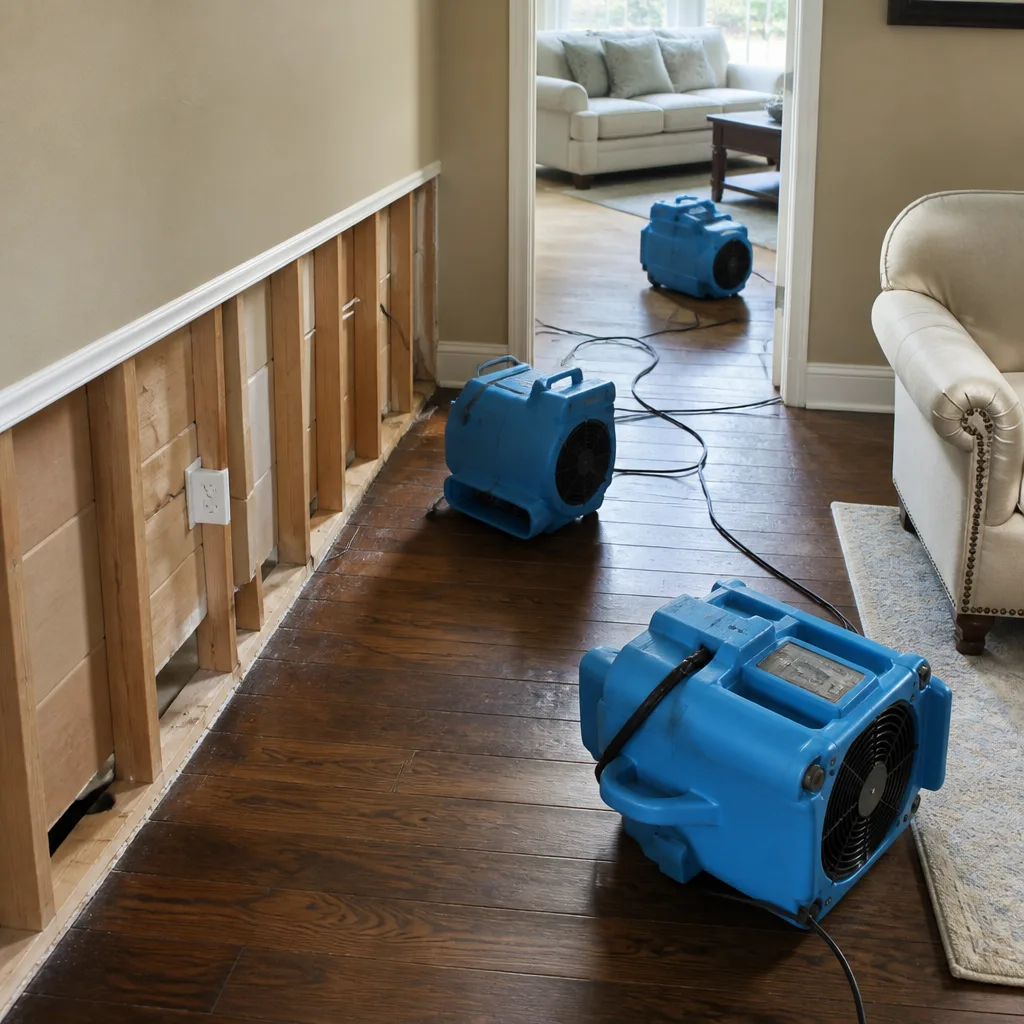

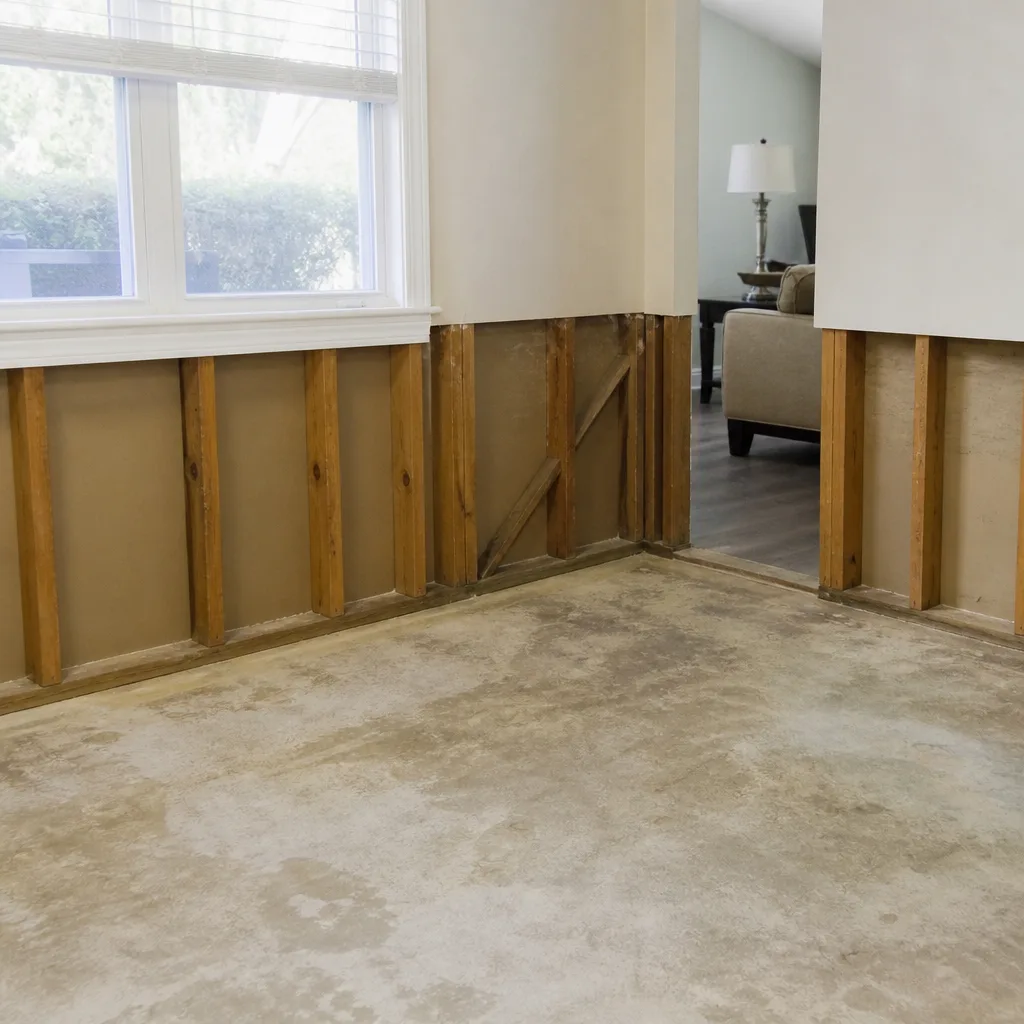


Seasonal Damage Restoration Care for Spring Valley: Year-Round Homeowner’s Guide
Spring Valley averages fewer than 4 inches of annual rainfall, but monsoon events deliver 40% of that total in storms measured in hours - a concentrated load that flat-roof stucco homes are rarely engineered to shed cleanly. Most seasonal maintenance calendars sold to homeowners are built for Cleveland or Portland, not for the Mojave Desert’s actual threat profile. In this guide, we’ll rebuild the inspection calendar around NOAA climate data for the Las Vegas Valley, with specific pass/fail criteria for roof scuppers, window weep holes, and threshold flashing that match when Spring Valley homes actually fail.
Quick Answer
Spring Valley homeowners should inspect for water damage three times per year: before monsoon season (June), after the first hard freeze (January), and following major dust storms (March-May). The critical maintenance tasks are roof scupper clearance, window weep hole verification, and documentation of pre-loss condition with dated photos - the evidence that turns disputed insurance claims into payable ones.
Table of Contents
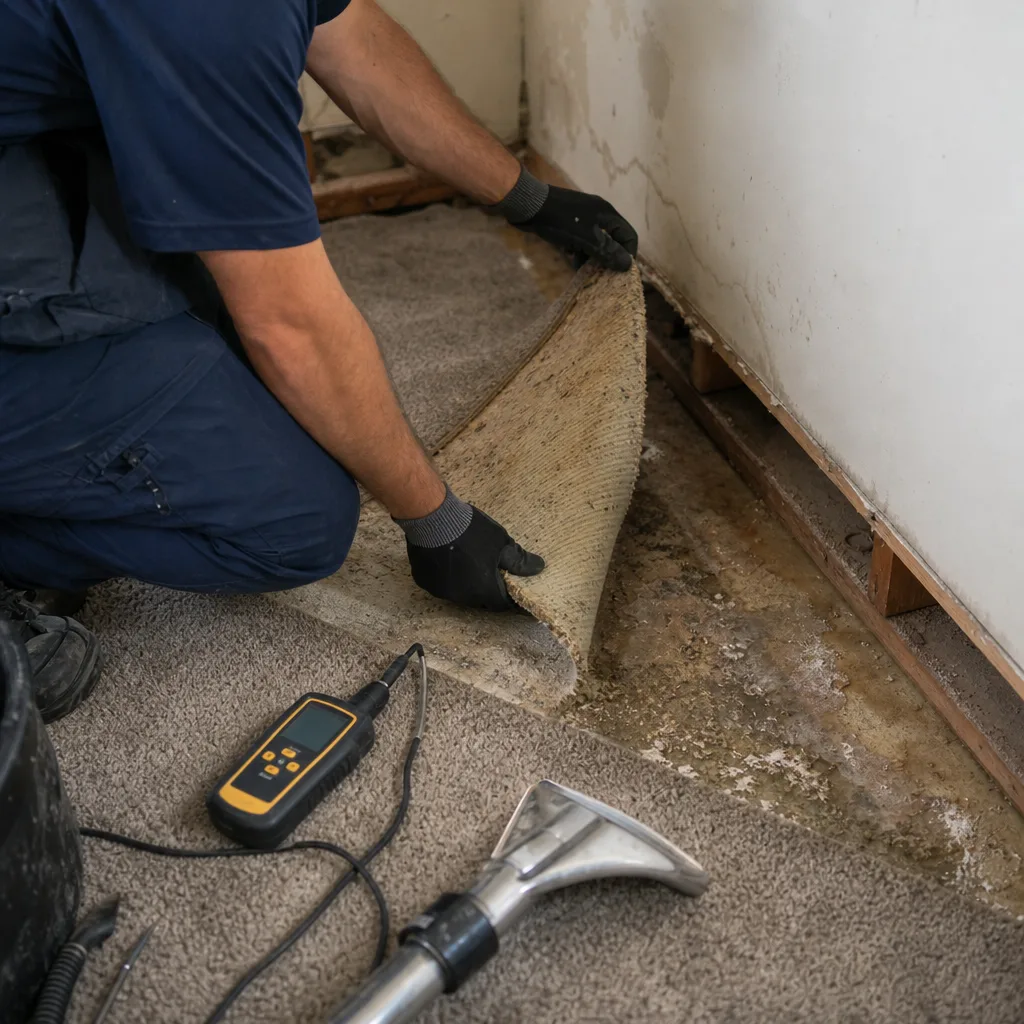
- Why National Seasonal Calendars Fail in Spring Valley
- Monsoon Season (July-September): Infiltration Under Pressure
- Dust Storm Season (March-May): The Hidden Humidity Driver
- Winter Freeze-Thaw (December-January): Exposed Plumbing Failure
- Month-by-Month Inspection Schedule for Spring Valley
- Building a Seasonal Photo Record That Protects Your Claim
- What Professional Equipment Readings Actually Tell You
- Common Mistakes to Avoid
- When to Call a Professional
- Frequently Asked Questions
- The Bottom Line
Why National Seasonal Calendars Fail in Spring Valley
The maintenance calendar in most home improvement magazines assumes four distinct seasons with gradual transitions. Spring Valley has two: hot and dry, and briefly less hot with concentrated moisture events. NOAA data for McCarran International, the nearest long-term station, shows 3.8 inches of mean annual precipitation - but the distribution matters more than the total.
Between 1991 and 2020, July through September produced 1.4 inches on average, with single-day events exceeding 0.5 inches occurring roughly once every two years. That volume hits flat or low-slope roofs built for shedding heat, not water. Stucco exteriors, ubiquitous in Spring Valley subdivisions built from 1995 to 2015, absorb moisture at the base when splashback from hardscaping overwhelms weep screeds. The damage isn’t from chronic wetness; it’s from acute loading on systems never designed for it.
We’ve documented this pattern across hundreds of water damage restoration in Spring Valley jobs. The typical monsoon call comes 48 to 72 hours after the storm, when homeowners notice bubbling paint at ceiling corners or soft drywall near sliding doors. By then, moisture has migrated through insulation cavities, and the visible damage represents 20 to 30 percent of the actual affected area. Early inspection - specifically in the second week of June, before the North American Monsoon ramps up - catches the vulnerabilities that produce these late-discovered losses.
The second failure mode is freeze-thaw. Spring Valley’s winter lows average 34°F in December and January, but radiational cooling on clear desert nights drops exposed surfaces below 28°F regularly. National calendars suggest winterizing in October, which is correct for Minnesota. In Spring Valley, the real risk window is mid-December through mid-January, when a three-day cold snap after a warm period catches homeowners who’ve left hoses attached and pool equipment running.
Monsoon Season (July-September): Infiltration Under Pressure
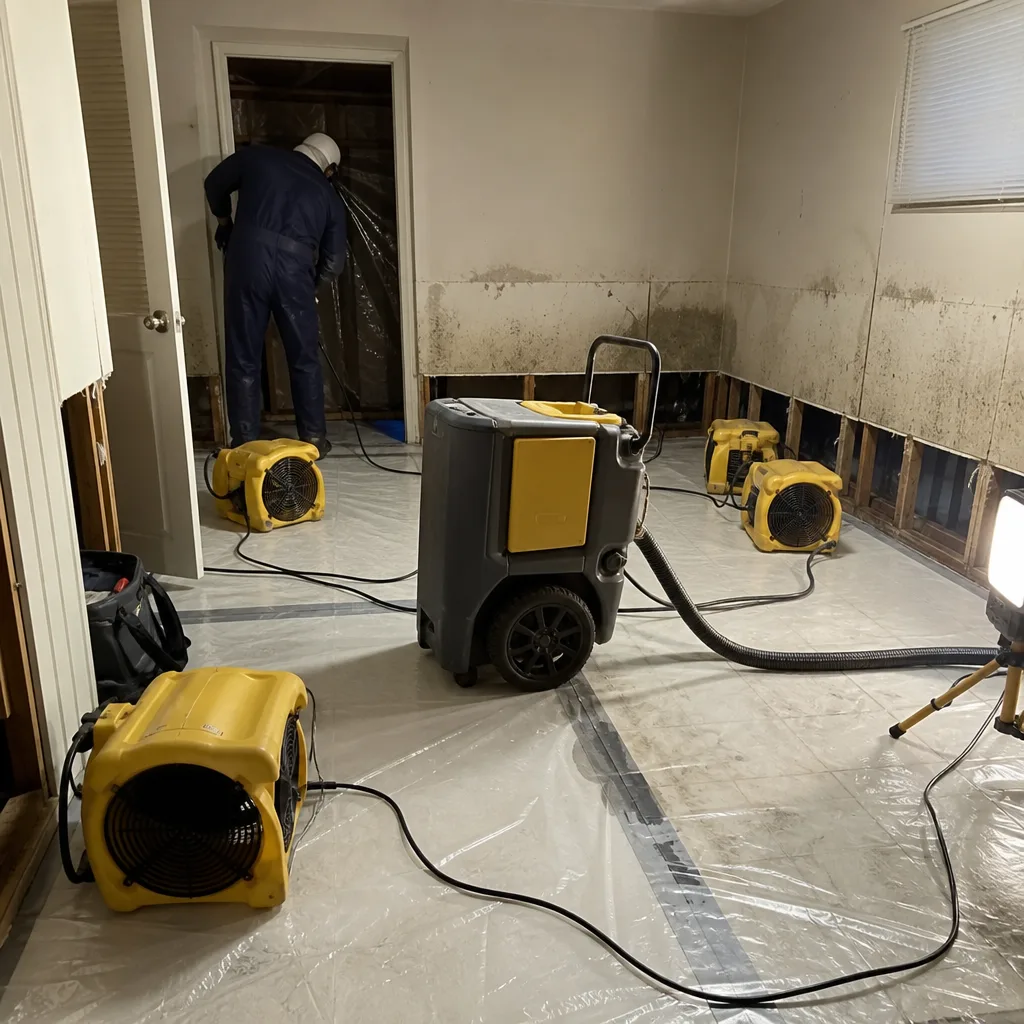
Monsoon moisture in the Las Vegas Valley arrives as convective cells with high rainfall rates and gust fronts exceeding 50 mph. The damage mechanism isn’t gradual seepage; it’s wind-driven water finding gaps in envelope integrity. Spring Valley homes see three predictable failure points.
Roof scuppers and drains. Flat or low-slope roofs, common in Rancho Manor and the older sections of Spring Valley near Flamingo and Jones, rely on scuppers (through-wall drains) or interior drains. A scupper clogged with wind-deposited debris backs water onto the roof membrane. At 1.5 inches of rainfall in an hour - a 2-year event, not a 50-year event - standing water exceeds the design head at roof edges and enters through coping joint separations. The inspection criterion is simple: water should flow freely through the scupper throat when a garden hose is run at the roof surface for 90 seconds. If it pools, the scupper needs clearance.
Window weep holes. Vinyl and aluminum windows installed in Spring Valley from 2000 to 2010 often have weep holes blocked by stucco overspray or accumulated dust. During a monsoon gust front, wind pressure forces water through the sash track; without functioning weep holes, it drains inward onto the sill plate. Check weep holes with a toothpick or piece of wire - they should pass light, and a teaspoon of water poured into the track should exit the exterior weep within 30 seconds.
Threshold flashing at exterior doors. Sliding glass doors, especially those facing west toward the Spring Mountains, see wind-driven rain at 45-degree angles during gust fronts. The aluminum threshold should have a continuous bead of sealant where it meets the concrete or paver landing, and the door sweep should contact the threshold without gaps. A business card slid under the closed door meets resistance; if it passes through, water will too.
After any monsoon event with 0.25 inches or more in an hour, inspect these three points within 24 hours. Document with photos showing date and time. If you find moisture, DryMark Restoration Spring Valley home provides free estimates and can deploy moisture detection equipment to map migration before it becomes structural damage.
Dust Storm Season (March-May): The Hidden Humidity Driver
Haboobs - dust storms driven by outflow boundaries from thunderstorms - are visually dramatic but produce damage that’s easy to underestimate. The fine particulate matter (PM10 and PM2.5) infiltrates homes through gaps that water would never penetrate: receptacle boxes, light fixture penetrations, and the perimeter of attic access hatches. Once inside, this dust creates a sustained humidity problem that standard maintenance ignores.
The mechanism is hygroscopic loading. Desert dust contains salts and clay minerals that absorb moisture from the air at relative humidity levels as low as 50 percent. In Spring Valley, where indoor relative humidity in March typically runs 25 to 35 percent, this isn’t an issue. But after a dust storm, the particulate layer inside wall cavities and attic spaces shifts the local humidity equilibrium. When the first monsoon moisture arrives in July, these loaded surfaces release moisture into gypsum and wood framing faster than the same materials would respond to ambient humidity alone.
We’ve measured this effect in Spring Valley homes using thermohygrometers and moisture meters. A wall cavity with dust infiltration after a March haboob shows elevated equilibrium moisture content (EMC) in wood framing by 2 to 3 percentage points compared to a clean cavity, starting in late June when outdoor humidity rises. That difference is the margin between a minor moisture event and visible mold growth.
Post-haboob inspection protocol:
- Check HVAC filter loading within 48 hours. A filter that would last 90 days under normal conditions may be saturated in one event. Run the system on “fan only” for two hours with a new filter to capture suspended particulate.
- Inspect attic access perimeter. Look for dust streaking around the hatch or pull-down stair frame. If present, seal with weatherstripping and document the condition with dated photos.
- Remove outlet and switch covers on exterior walls. Vacuum dust from the box interior with a HEPA vacuum. This isn’t cosmetic; it’s removing the hygroscopic load.
- Run a dehumidifier for 72 hours if indoor relative humidity exceeds 45 percent. Target 35 percent for desert equilibrium.
The documentation matters for claims. An insurer disputing a July mold remediation in Spring Valley will ask whether pre-existing conditions contributed. A photo record showing clean framing in March and dust infiltration remediation in April establishes that the homeowner maintained the property - the duty of care that supports coverage.
Winter Freeze-Thaw (December-January): Exposed Plumbing Failure
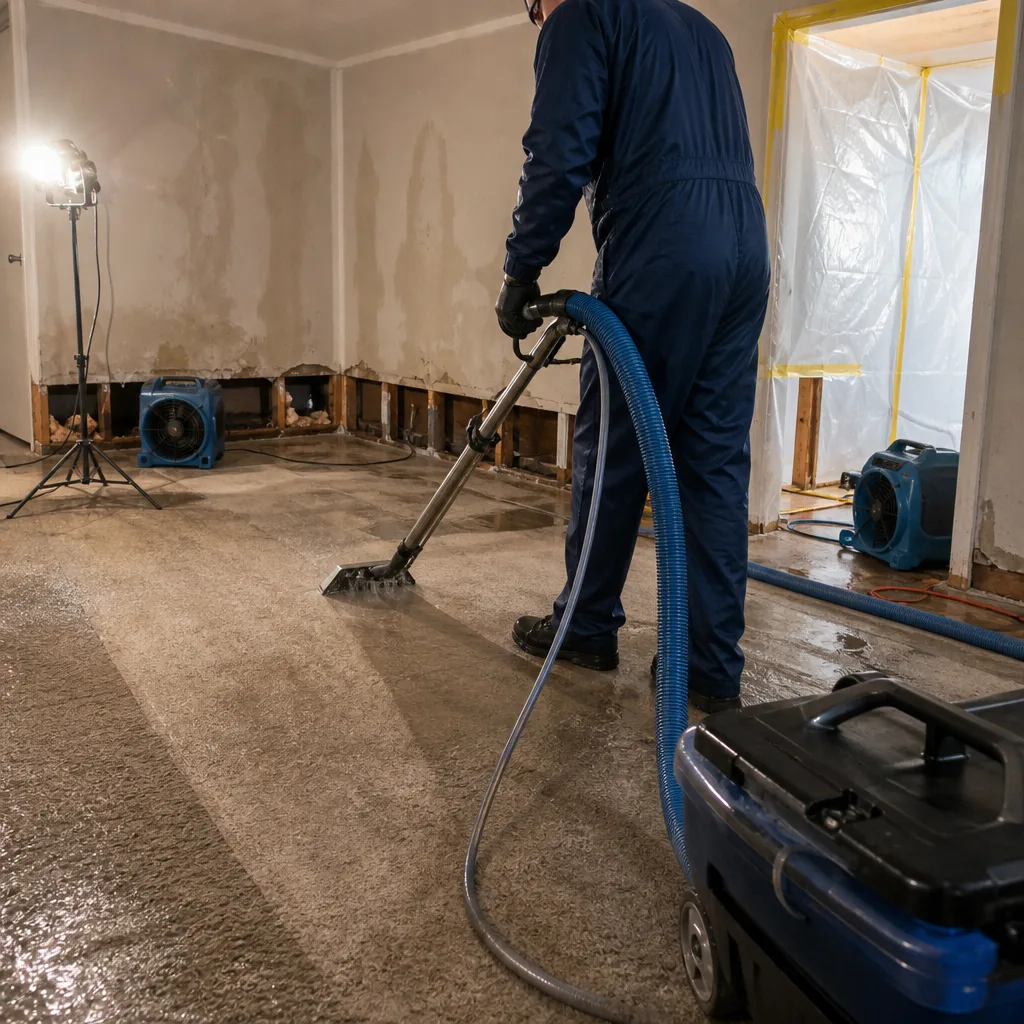
Spring Valley’s winter design temperature per the International Plumbing Code is 26°F, meaning plumbing systems should survive brief exposure to that temperature. But “should survive” depends on material, installation quality, and wind exposure. We’ve restored water damage from frozen pipe bursts in The Lakes, in Desert Shores-adjacent Spring Valley parcels, and in hillside homes near Spanish Trail with exposed hose bibs and pool equipment.
Pipe material failure hierarchy at sub-28°F:
- CPVC (chlorinated polyvinyl chloride): Most brittle at low temperatures. A fully water-filled CPVC pipe with no flow will crack at the first freeze-thaw cycle if the wall temperature drops to 28°F for 4 hours. Common in Spring Valley homes built 1995-2005. The failure is typically longitudinal, splitting the pipe crown and producing a high-flow release when thaw occurs.
- Copper Type M (thin wall): More ductile than CPVC but susceptible to splitting at solder joints where thermal expansion concentrates stress. We’ve seen copper failures at hose bibs where the bib itself was brass (different expansion coefficient) and the solder joint fatigued over multiple winters.
- PEX-A (cross-linked polyethylene, expansion fitting): Most freeze-tolerant. PEX expands and contracts without cracking, though fittings may separate if improperly installed. In Spring Valley, PEX-A with expansion rings is the material of choice for retrofits, but it’s still vulnerable at exterior transitions where insulation is incomplete.
The practical protocol: by December 15, disconnect hoses from bibs, drain irrigation backflow preventers, and verify that pool equipment has freeze protection set to run circulation at 35°F. For homes with CPVC plumbing and exposed hose bibs on north or west walls, install insulated faucet covers - they’re $6 at any hardware store and prevent the $2,400 average water damage restoration cost we’ve documented for Spring Valley pipe bursts.
If you discover a burst pipe, shut off the main valve (typically near the front hose bib in Spring Valley’s standard lot configuration), document the damage with photos before moving anything, and call for professional assessment. Water damage restoration in Spring Valley requires moisture mapping to determine whether water has migrated into slab insulation or wall cavities - damage that’s invisible but structurally consequential.
Month-by-Month Inspection Schedule for Spring Valley
This calendar replaces generic national advice with tasks timed to actual Las Vegas Valley climate data and Spring Valley building stock vulnerabilities.
January (post-freeze assessment)
Inspect all exterior hose bibs and exposed plumbing for cracks or corrosion. Check attic for frost accumulation on sheathing (indicates moist interior air infiltration). Document roof condition after winter wind events.
February (preparation)
Service HVAC before cooling season demand. Replace filters after winter dust accumulation. Inspect garage door seals - spring temperature swings stress weatherstripping.
March (haboob readiness)
Clean roof drains and gutters of winter debris. Test window weep holes. Seal attic access perimeter. This is the critical pre-dust-storm window.
April (post-event)
Execute haboob inspection protocol within 48 hours of any dust storm. Check HVAC filter loading. Inspect west- and south-facing doors for threshold seal integrity after wind exposure.
May (monsoon prep)
Schedule roof inspection if home is 15+ years old. Clear scuppers and verify membrane condition at penetrations. Test sump pumps if installed. Document pre-season condition with photos.
June (final monsoon prep)
Second week: run the three-point monsoon inspection (scuppers, weep holes, threshold flashing). Verify homeowner’s insurance coverage for water damage - some Spring Valley policies exclude gradual seepage.
July-September (monsoon response)
Inspect within 24 hours of any storm exceeding 0.25 inches in one hour. Document with photos. Run dehumidifier if indoor humidity exceeds 55 percent for more than 48 hours.
October (cooling season closeout)
Final HVAC filter change. Inspect exterior caulk at window and door perimeters - summer thermal cycling degrades sealant. This is NOT the time to winterize plumbing; that comes in December.
November (minimal task)
Verify irrigation system blowout is scheduled. Inspect pool equipment freeze protection settings. Light month - don’t waste effort on tasks better done later.
December (winterize)
Disconnect hoses, install faucet covers, drain backflow preventers. Verify pool circulation timers. This is the actual freeze-risk window in Spring Valley, not October.
Building a Seasonal Photo Record That Protects Your Claim
The single most common reason insurers deny or reduce water damage claims is inability to establish pre-loss condition and distinguish sudden from gradual damage. A seasonal photo record, maintained with minimal effort, solves this problem. We’ve used these records in Spring Valley to support claim payments that would otherwise have been disputed.
The documentation standard:
- Date and time stamp enabled on all photos. Most smartphones do this automatically; verify it’s active.
- Wide shot and detail shot for each inspection point. A wide shot of the roof scupper from 10 feet, then a close-up of the throat opening. A wide shot of the window wall, then the weep hole with a toothpick inserted for scale.
- Written log with moisture meter readings where applicable. Baseline moisture content of exposed wood framing in garage or attic: 6 to 8 percent in Spring Valley’s dry climate. Readings above 12 percent indicate active moisture intrusion and require professional assessment.
- Cloud storage with automatic backup. Google Photos, iCloud, or equivalent. The record is useless if it’s on a phone that gets damaged in the same event.
- Annual compilation sent to insurance agent. Not required, but establishes good faith. A simple email: “Annual maintenance documentation for [address], [date].”
The Haven Standard, which governs every DryMark Restoration Spring Valley job, requires photo documentation on every visit as a standard deliverable - not an upsell. We extend this discipline to our guidance for homeowners. The photo record you maintain independently becomes the benchmark against which we measure post-loss condition, and the reference your adjuster uses to verify that damage was sudden and not pre-existing.
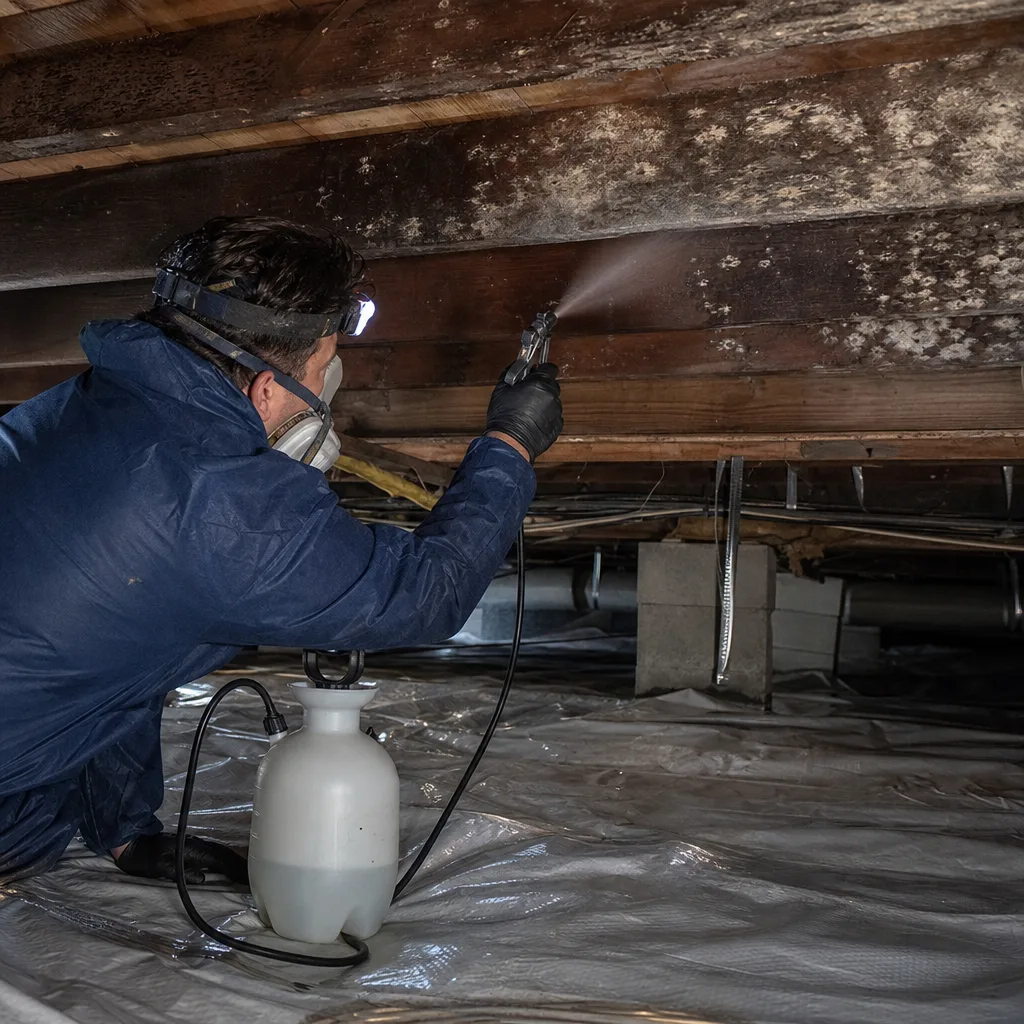
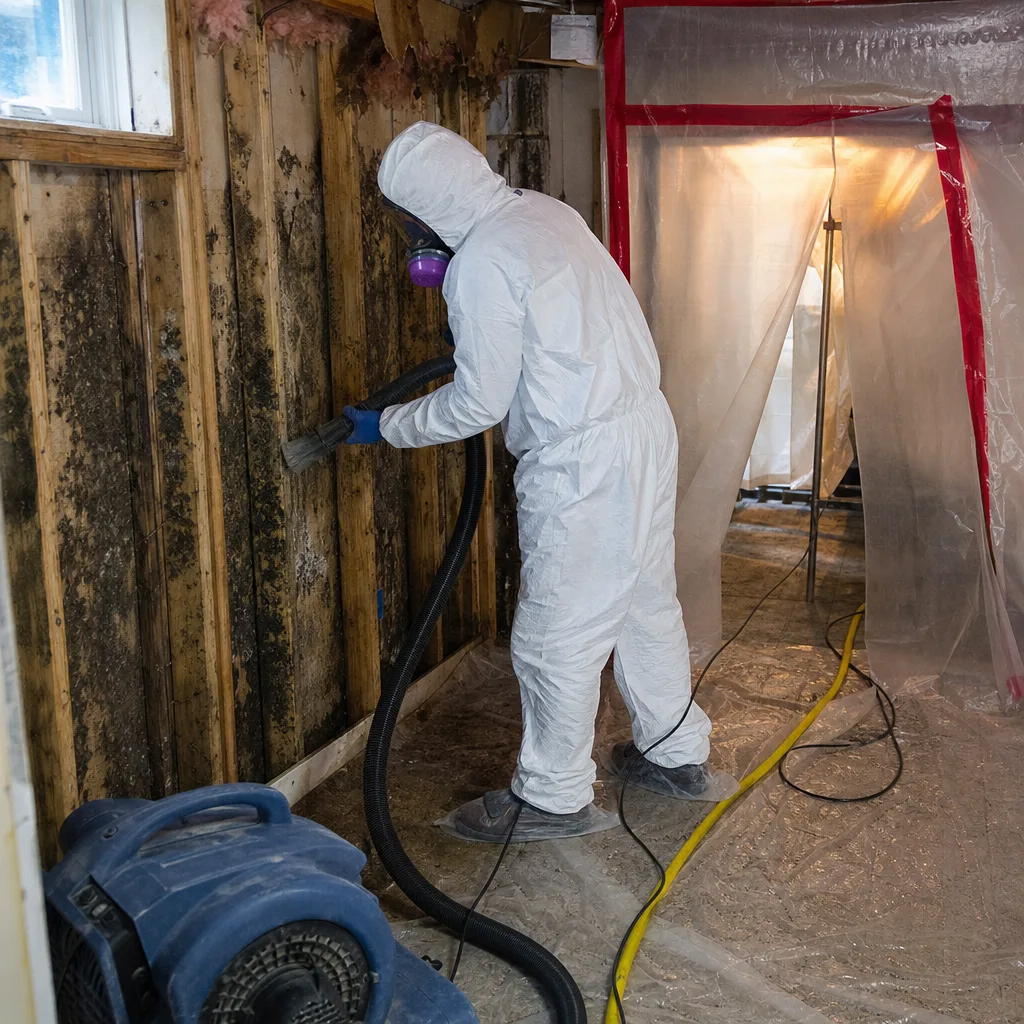
For mold remediation in Spring Valley, pre-loss documentation is especially critical. Mold exclusions in standard policies are enforceable only when the insurer can show the condition existed before coverage was triggered. A March photo showing clean framing and a July photo showing colonization after a monsoon event, with our moisture logs documenting the intervening water intrusion, creates a defensible claim narrative.
What Professional Equipment Readings Actually Tell You
When DryMark Restoration Spring Valley responds to a water damage call, we deploy equipment from Dri-Eaz, Phoenix, and XPOWER - brands selected for their data output, not just their drying capacity. Homeowners should understand what the numbers mean, whether they’re reading our logs or using consumer-grade tools for self-monitoring.
Moisture content (MC) in wood: Measured with pin-type meters, expressed as percentage of dry weight. Spring Valley baseline for kiln-dried lumber: 6 to 9 percent. At 16 percent, wood-decay fungi can establish. At 20 percent, structural weakening begins in load-bearing members. Our drying target is return to within 2 percentage points of baseline, documented on daily logs.
Relative humidity (RH) and dew point: Measured with thermohygrometers. In conditioned desert homes, 30 to 50 percent RH is the comfort and preservation zone. Above 60 percent for more than 48 hours, mold spores germinate on organic surfaces. The dew point matters more than RH for drying: we calculate the temperature at which moisture will condense on surfaces, then maintain air temperature 10°F above that point using Phoenix 200 HT dehumidifiers or equivalent.
Vapor pressure differential: The engine that drives drying. Water moves from high vapor pressure to low vapor pressure. We create the differential by lowering humidity in the affected space (dehumidification) and raising temperature (air movement from XPOWER air movers). The daily log shows this differential increasing as drying progresses - the psychrometric data that proves the system is working, not just running.
Grain depression: The difference between incoming and outgoing air moisture content, measured in grains of water per pound of dry air. A grain depression of 15 to 20 indicates effective dehumidification. Below 10, the system is saturated and needs adjustment.
These terms appear on our daily drying logs, delivered to homeowners and their adjusters as part of every water damage restoration in Spring Valley job. The documentation turns restoration invoices into payable claims because it shows what was done, why it was necessary, and when the structure returned to pre-loss condition.
Common Mistakes to Avoid
- Inspecting in April and October because a national calendar says so. Spring Valley’s risk windows are June (pre-monsoon), January (post-freeze), and March-May (post-haboob). April inspection misses monsoon prep; October inspection is three months early for actual freeze risk.
- Assuming flat roofs are maintenance-free. They’re maintenance-different. Scupper clearance matters more than shingle condition, and membrane inspection requires walking the roof or hiring someone who will. We’ve restored water damage in Spring Valley where a single clogged scupper caused $40,000 in interior damage over a 6-hour storm.
- Ignoring dust storm aftermath. Homeowners photograph the dramatic sky but not the infiltration. The dust in your attic in April is the humidity reservoir that drives July mold. Vacuum it out, document the condition.
- Using CPVC pipe insulation as freeze protection. Pipe insulation slows heat loss but doesn’t prevent freezing in sustained sub-28°F exposure. In Spring Valley’s radiational cooling events, flowing water or heat tape is required for CPVC. We’ve replaced too many burst CPVC lines where insulation gave false confidence.
- Calling for “a quote” instead of a written scope. Haven Standard, Clause 1: written price before work begins. Any restoration company that won’t commit to a scope and price in writing before starting is creating the conditions for dispute - with you, and later with your insurer.
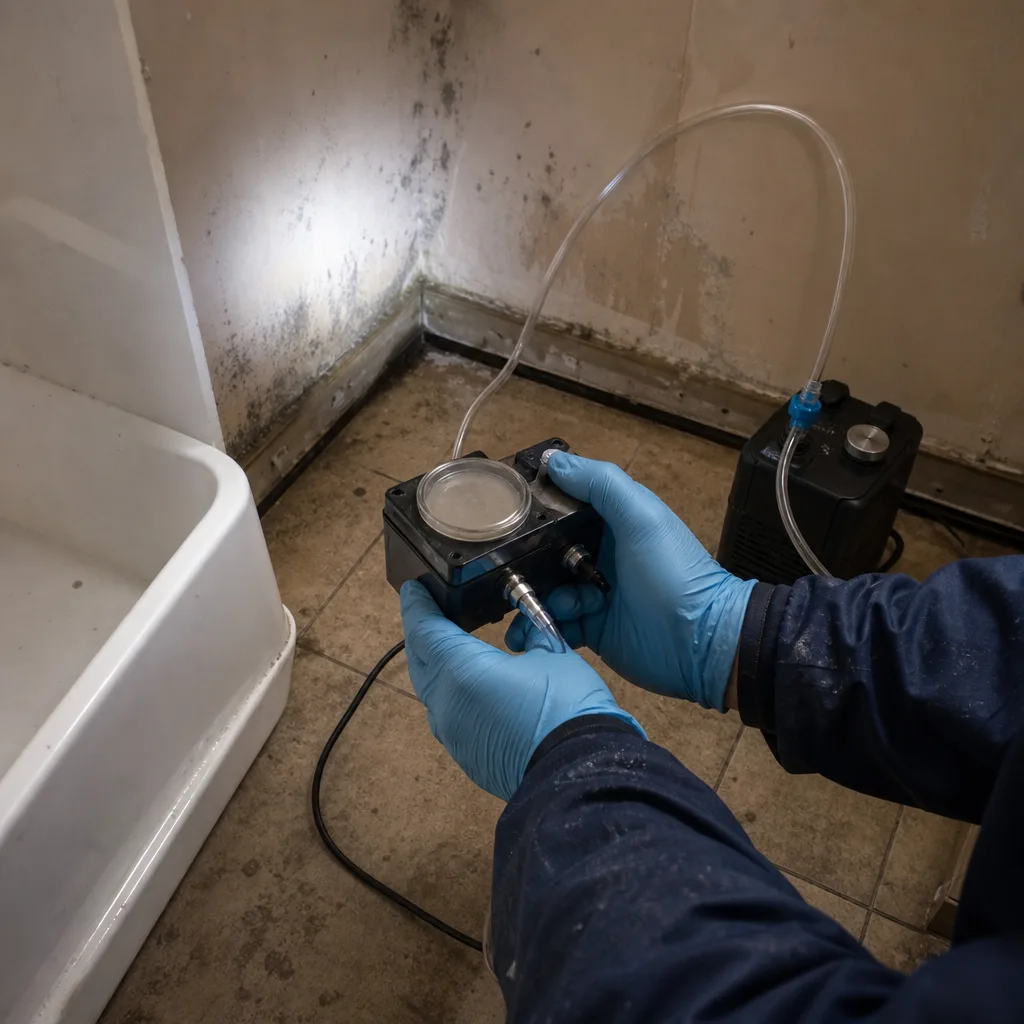
- Failing to document pre-loss condition. The smartphone in your pocket is a claims documentation tool. Use it methodically, not just when damage is visible. The absence of pre-loss photos is evidence your insurer will use against you.
When to Call a Professional
Call for professional assessment when moisture meter readings exceed 12 percent in wood framing, when visible mold covers more than 10 square feet, when water has contacted electrical panels or HVAC equipment, or when you’re uncertain whether damage is from a single event or ongoing condition. These thresholds aren’t arbitrary; they’re where homeowner self-assessment ends and documented professional evaluation becomes necessary for insurance and health reasons.
DryMark Restoration Spring Valley offers free estimates in Spring Valley - call (702) 430-2725. Every estimate includes a written scope and price before any work begins, per Haven Standard, Clause 1. We also provide free second opinions on any competitor’s written estimate, with no obligation.
Frequently Asked Questions
Most residential water damage restoration in Spring Valley ranges from $1,800 for contained Class 1 losses to $8,500 for Class 3 whole-house flooding with contaminated water. The variable is affected square footage, material classification (clean, gray, or black water), and whether structural drying or reconstruction is required. DryMark Restoration Spring Valley provides a written price before work begins on every job - call (702) 430-2725 for a free estimate with exact scope.
Standard homeowner’s policies in Nevada typically cover sudden and accidental water intrusion, including wind-driven rain through failed envelope components. They exclude gradual seepage, maintenance-related failures, and flood damage from surface water. The distinction hinges on documentation: a photo record showing intact flashing before the storm and failure afterward supports coverage; absence of documentation invites denial. We coordinate directly with adjusters and provide the daily drying logs and photo records that document sudden loss.
Live phone coverage is available 24 hours a day, 7 days a week with no voicemail on emergency lines. For active water damage with ongoing flow, we aim to deploy within 90 minutes in Spring Valley and adjacent Las Vegas Valley areas. Response time for non-emergency assessments is typically same-day or next-business-day by appointment. Call (702) 430-2725 - a live person answers.
Remediation is required when mold growth exceeds 10 square feet, involves HVAC systems, or occurs in areas with immune-compromised occupants. Cleaning is appropriate for surface growth on non-porous materials under 10 square feet with confirmed moisture source elimination. The determination requires air sampling and moisture mapping, not visual guesswork. Mold remediation in Spring Valley follows IICRC S520 standards; we provide the written scope and lab results that satisfy insurer requirements.
We do. DryMark Restoration Spring Valley coordinates directly with adjusters, providing daily drying logs, photo documentation, and written scopes in the format adjusters require. Our documentation is built to turn restoration invoices into payable claims - it’s the founding purpose of the company, established in 2011 by a former claims adjuster who saw how often homeowners lost payment due to inadequate documentation.
A free estimate is our initial assessment of your damage with a written scope and price. A free second opinion is our review of a competitor’s written estimate - you bring their scope and price, and we’ll evaluate whether the work described is appropriate, complete, and fairly priced, at no charge. Both are governed by Haven Standard, Clause 1: no work begins without a written price agreed in advance.
If any work we perform requires correction within 365 days, we return and make it right at no additional cost. This is a written guarantee under The Haven Standard, not a verbal assurance. It applies to all restoration and reconstruction work, and it’s stamped on every job file. We’ve honored this promise across 12,000+ homes restored since 2011.
The Bottom Line
Spring Valley’s damage calendar runs on desert time: monsoon concentration in summer, radiational freeze in mid-winter, dust storm infiltration in spring. The homeowner who inspects by this calendar, with specific pass/fail criteria and documented photo records, prevents most damage and protects their claim when damage occurs. The homeowner who follows national seasonal advice inspects at the wrong times, misses the actual vulnerabilities, and enters a claims dispute without evidence. The difference is methodical documentation - the discipline that defines every DryMark Restoration Spring Valley job, and the standard we recommend for every Spring Valley home.
Written by Alicia Brennan, Owner at DryMark Restoration Spring Valley, serving Spring Valley since 2011.