
Last updated September 23, 2026
Free visual inspection and a written scope of work before any mitigation begins - photos, moisture readings, and drying logs go in your claim file
The scope we write is the scope we bill. Anything new gets shown to you, in writing, before we touch it.
DIY vs Professional Damage Restoration: The Spring Valley Homeowner’s Decision Guide
Nevada homeowners who dry out water damage themselves and then file a claim frequently receive partial payment not because the work was poor, but because they have no third-party drying logs - and insurers treat undocumented drying as no drying at all. In Spring Valley, where summer monsoons push humidity above 60% and winter pipe bursts spike between December and February, the DIY-versus-professional decision isn’t about whether you can rent a dehumidifier. It’s about whether your documentation will survive a claims adjuster’s review. This guide walks through exactly which restoration tasks are DIY-eligible in Nevada, what records you must keep, and when professional documentation becomes the cheaper path. For more guides & resources, visit our blog.
Quick Answer
Most Spring Valley homeowners can handle surface water extraction and initial drying for clean water losses under 25 square feet. For anything larger, contaminated, or likely to involve an insurance claim, professional restoration pays for itself through documented drying logs that insurers accept as proof of completed mitigation. The gap between DIY capability and DIY coverage protection is where most homeowners lose money.
Table of Contents
- What Nevada Law Allows Homeowners to Do Themselves
- The Documentation Gap: Why Insurers Reject DIY Drying
- The Equipment Math: Rental Costs vs. Professional Drying Timelines
- Insurance Policy Language That Voids Coverage for “Failure to Mitigate”
- Decision Matrix: Three Variables That Determine DIY or Professional
- Spring Valley-Specific Risks: Climate, Soil, and Building Stock
- Common Mistakes to Avoid
- When to Call a Professional
- Frequently Asked Questions
- The Bottom Line
What Nevada Law Allows Homeowners to Do Themselves
Nevada draws a sharp line between homeowner maintenance and regulated remediation. Understanding that line keeps you compliant and preserves your insurance position.
DIY-eligible tasks (no license required):
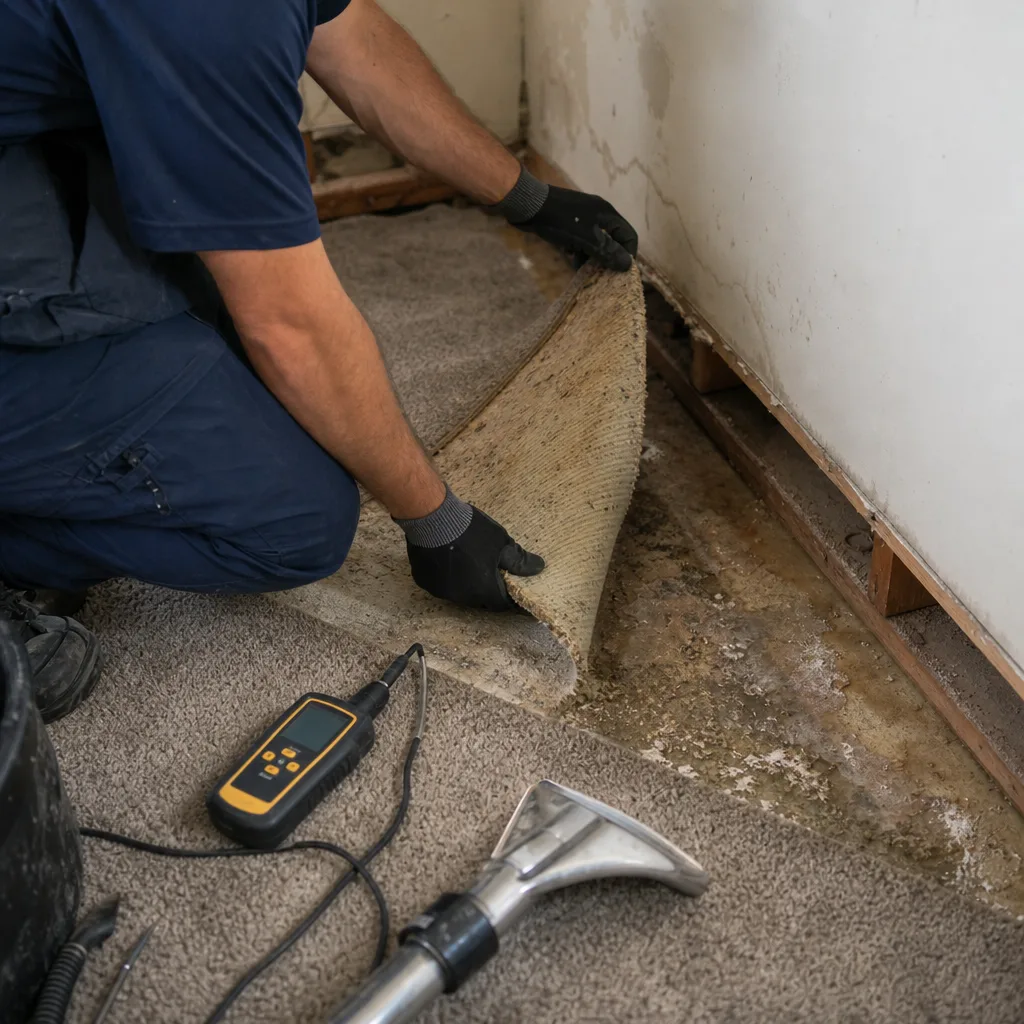
- Surface water extraction with wet/dry vacuums or consumer carpet extractors
- Removal of wet furniture, rugs, and personal property to dry areas
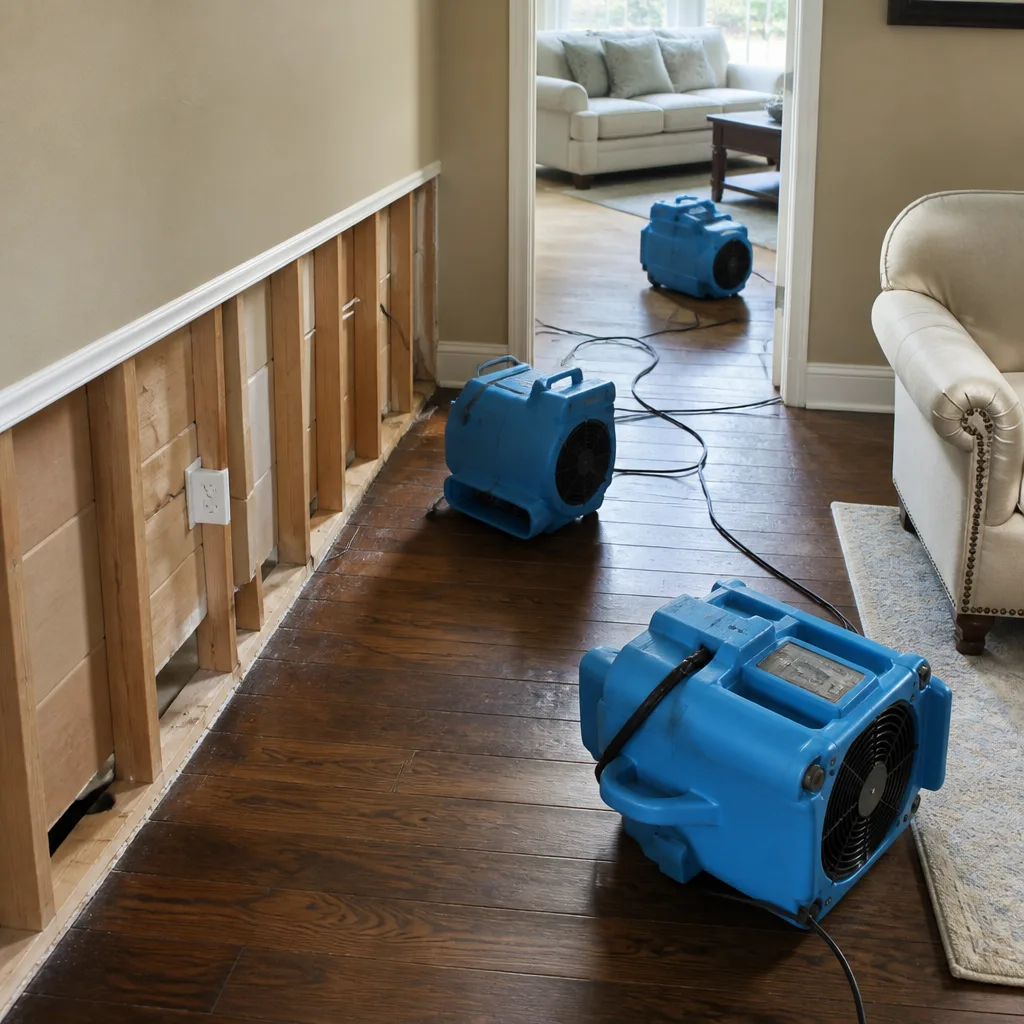
- Placement of fans and consumer-grade dehumidifiers for air circulation
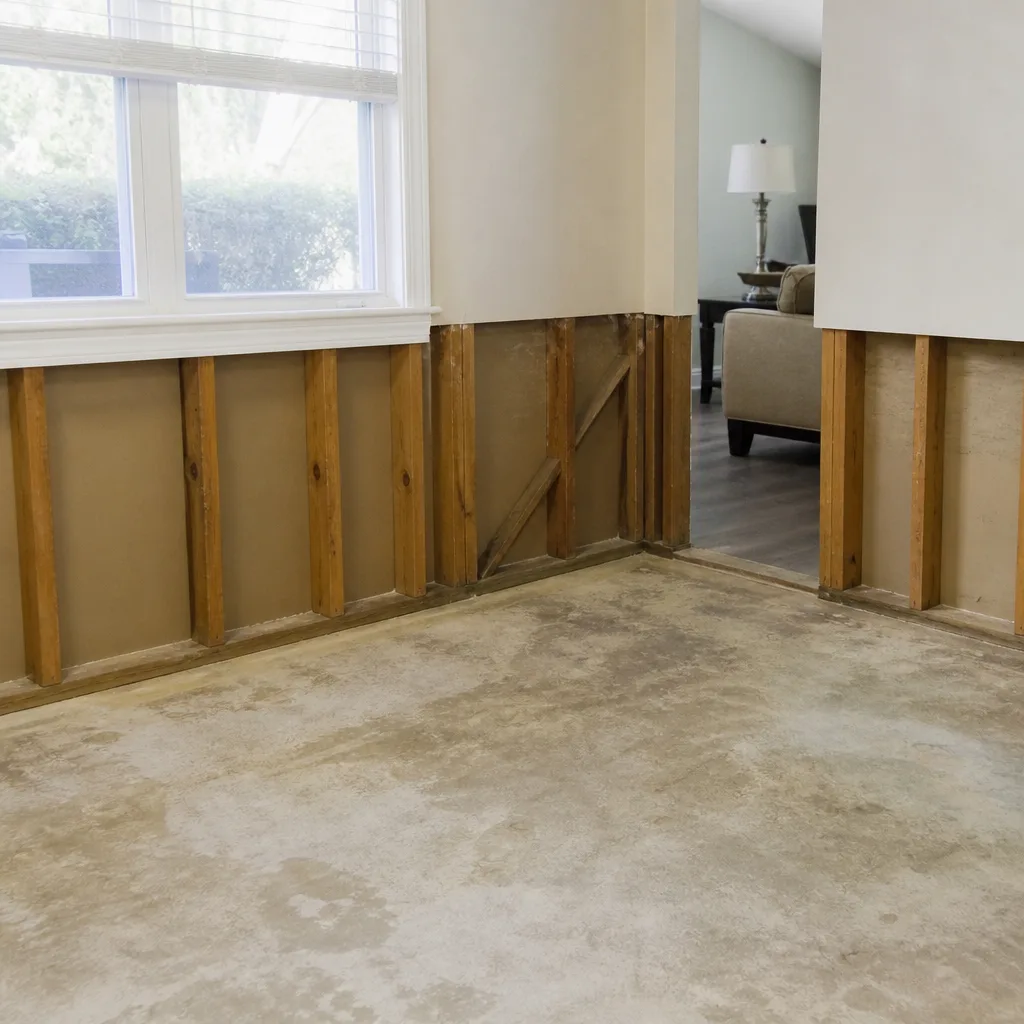
- Removal of non-structural, non-hazardous building materials like baseboards or drywall below the water line
- Application of antimicrobial surface treatments to non-porous materials in losses under 10 square feet
Tasks requiring professional licensing in Nevada:
- Mold remediation affecting more than 10 contiguous square feet - this triggers Nevada’s mold work practice requirements under NRS 656
- Disturbance of asbestos-containing materials in homes built before 1990; Clark County requires notification for any renovation disturbing regulated asbestos-containing material
- Sewage backup cleanup (Category 3 water) - legally classified as biohazard work requiring OSHA 1910.1200 compliance and Hepatitis B vaccination records for workers
- Fire and smoke damage restoration involving structural components or HVAC systems
- Any work requiring permit coordination with Clark County Building Department, including electrical, plumbing, or structural repairs
The 10-square-foot mold threshold is the one that catches Spring Valley homeowners most often. A slow leak under a kitchen sink can easily spread to 12 square feet of cabinet base and wall cavity before visible mold appears on the exterior surface. At that point, DIY treatment becomes a code violation, and your insurer may deny related claims if the work was performed without proper containment and air filtration.
We’ve reviewed claims where homeowners in the DryMark Restoration Spring Valley home service area performed excellent initial extraction - removing standing water within hours - but crossed into regulated territory by cutting into wall cavities without testing for asbestos in a 1978 ranch home. The resulting abatement costs fell outside their policy’s pollution exclusion. Capability wasn’t the issue. Boundary awareness was.
The Documentation Gap: Why Insurers Reject DIY Drying
Insurance adjusters evaluate water damage claims against one standard: did the policyholder take reasonable steps to prevent further damage, and can they prove it? The “prove it” portion is where DIY efforts most often fail.
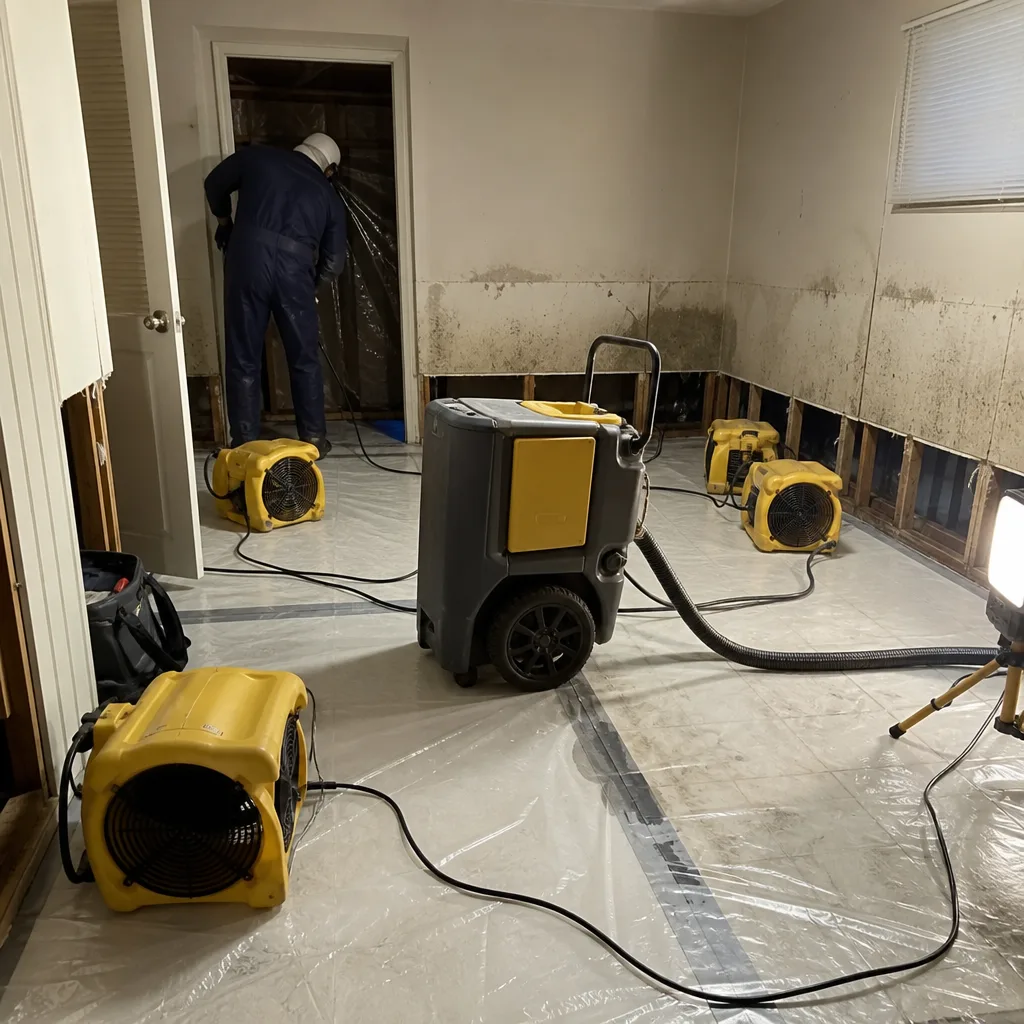
A professional Water Damage Restoration in Spring Valley job produces four documents that adjusters expect:
- Daily moisture logs - psychrometric data (temperature, relative humidity, and specific humidity readings) recorded at consistent intervals, usually every 24 hours, with equipment placement noted on a room diagram
- Equipment inventory with model numbers - specific dehumidifiers, air movers, and specialty drying systems listed by manufacturer and capacity, such as an LGR (low-grain refrigerant) unit from Dri-Eaz or Phoenix rated for the affected cubic footage
- Photo record with timestamps - dated images of water line elevations, material removal stages, and dry standard achievement, typically using moisture meters showing readings at or below 12-16% for wood framing
- Written scope of work with pre-agreed pricing - the document that Haven Standard, Clause 1 requires before any work begins, preventing dispute over what was authorized
DIY documentation rarely meets this standard. A homeowner’s phone photos lack scale references. Consumer hygrometers don’t record specific humidity, the metric adjusters use to verify that air can still accept moisture from materials. And without equipment model numbers, an adjuster cannot verify that the drying capacity matched the loss size - a 50-pint consumer dehumidifier in a 2,000 cubic foot room with wet drywall will not achieve dry standard in any timeline an insurer considers reasonable.
The result: partial payment. The adjuster credits the homeowner for “attempted mitigation” but applies a depreciation factor for “unverified completion.” On a $15,000 water damage claim, we’ve seen DIY documentation reduce payment by 30-50% - not because the home wasn’t dry, but because the dryness couldn’t be demonstrated through accepted methods.
Psychrometric data, to be plain, is the study of moisture in air. When we record that a room reached 40 grains per pound of specific humidity, we’re documenting that the air had capacity to pull remaining moisture from wood framing. A homeowner’s “feels dry” assessment doesn’t translate to this language. Neither does a hardware store humidity gauge showing “50%” without temperature correlation.
The Equipment Math: Rental Costs vs. Professional Drying Timelines
The rental counter at a Spring Valley home improvement store will quote you roughly $50-75 per day for a consumer-grade dehumidifier rated at 50-70 pints removal capacity. An LGR professional unit from Phoenix or Dri-Eaz, the equipment we deploy, removes 130-200 pints per day and maintains performance as humidity drops - the point where consumer units become ineffective.
Here’s how the math plays out on a typical Spring Valley loss: a washing machine hose failure in a 12×15 laundry room with water migration into adjacent hallway carpet.
Scenario: DIY equipment approach
- Consumer dehumidifier rental: $65/day x 14 days = $910
- Wet/dry vacuum rental: $45/day x 3 days = $135
- Fan rentals (3 units): $25/day each x 10 days = $750
- Antimicrobial treatment, moisture meter, PPE: $180
- Total DIY equipment: $1,975
- Typical drying timeline: 12-16 days (consumer units lose efficiency below 55% RH)
- Secondary damage risk: elevated - extended moisture exposure time increases mold probability and subfloor swelling
Scenario: Professional drying with documented completion
- Professional service with LGR dehumidification, air movement, and Injectidry wall cavity drying: typically $2,800-4,200 for this loss size in Spring Valley market
- Drying timeline: 3-5 days
- Documentation package: daily moisture logs, photo record, equipment inventory, written scope
- Insurance acceptance: full mitigation credit, no depreciation for unverified work
- Secondary damage: minimized through rapid vapor pressure differential management
Vapor pressure differential - the difference in moisture concentration between wet materials and the surrounding air - drives drying speed. Professional equipment creates and maintains this differential through controlled airflow and targeted dehumidification. Consumer equipment often stalls it, especially in Spring Valley’s summer months when outdoor humidity reduces the natural drying gradient.
The $1,000-2,000 gap between DIY equipment cost and professional service narrows substantially when you account for:
- Extended hotel or alternate living expenses during longer drying timelines
- Replacement of materials that professional rapid drying could have saved (hardwood flooring, plaster, cabinetry)
- Insurance depreciation applied to undocumented mitigation
- Potential mold remediation costs from extended moisture exposure
For losses where insurance is involved, professional service frequently costs less net of claim payment than DIY. For losses below deductible or without coverage, the equipment math deserves honest calculation - including the value of your time managing a 14-day drying project.
Insurance Policy Language That Voids Coverage for “Failure to Mitigate”
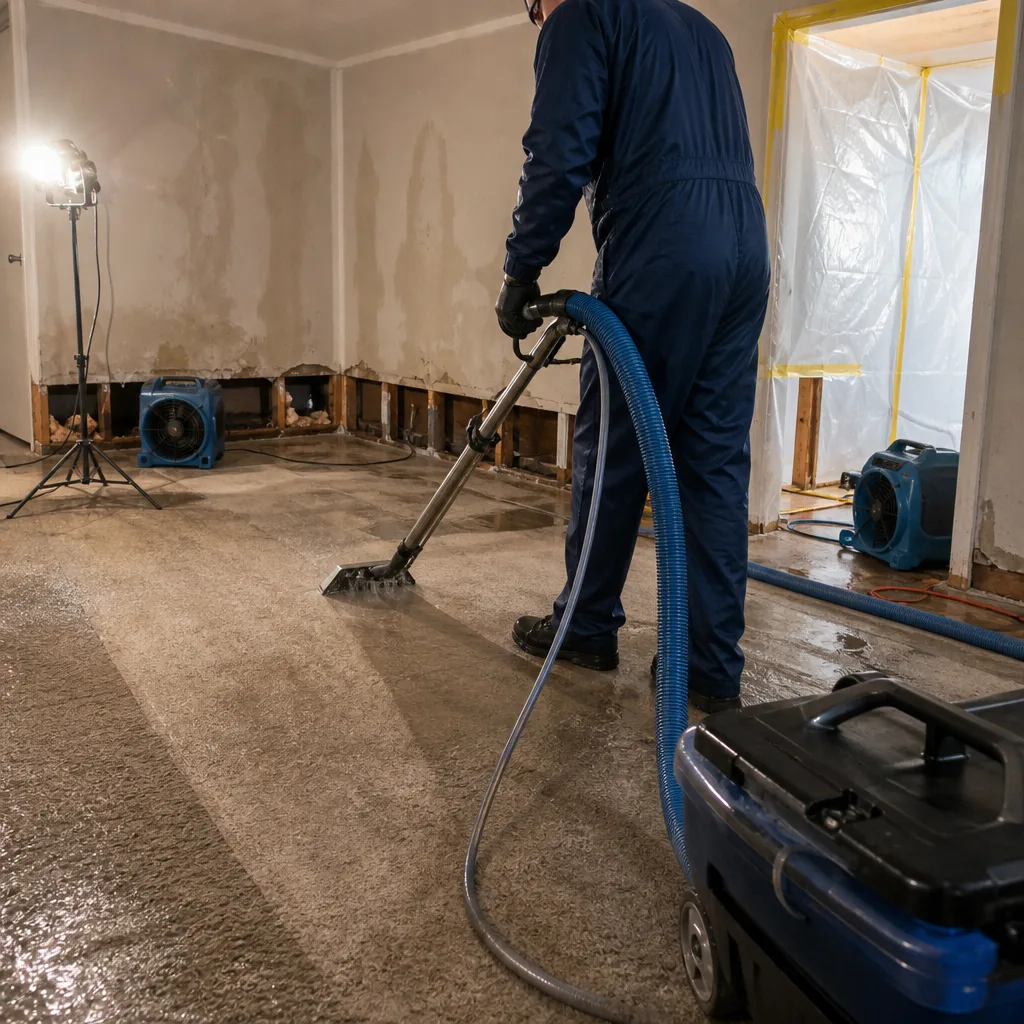
Standard HO-3 policies, the most common homeowner form in Spring Valley, contain a “Duties After Loss” section requiring the policyholder to “protect the property from further damage.” This isn’t a suggestion. It’s a condition of coverage, and insurers deny or reduce claims when they judge the response inadequate.
What “adequate mitigation” means in practice:
- Within 24 hours: standing water removed, wet materials separated from dry, air circulation initiated
- Within 72 hours: professional-grade drying equipment operating if moisture has penetrated beyond surface materials, or written documentation of why professional equipment was not needed
- Ongoing: daily verification that drying is progressing toward established standards, with records maintained
The interpretation gap is where homeowners lose. Most assume “I did my best” satisfies the duty. Adjusters apply a standard: “Would a reasonable person in similar circumstances have engaged professional mitigation?” For water losses exceeding a single room, or involving Category 2 (gray water) or Category 3 (black water) contamination, the answer is typically yes.
We’ve reviewed denied claims where Spring Valley homeowners extracted visible water, ran fans for three days, and assumed the wall cavities dry. Six weeks later, mold appeared. The insurer denied the mold claim as “resulting from failure to mitigate the original water loss,” citing the absence of moisture readings or professional drying records. The homeowner’s good-faith effort didn’t meet the policy’s documentation standard.
Tertiary drying - the phase where bound moisture is removed from deep within structural materials - is particularly difficult to document without professional equipment. A surface moisture meter reading “dry” on drywall doesn’t reveal wet insulation or framing behind it. Thermal imaging and penetrating moisture meters, standard in professional practice, detect what surface checks miss.
Your policy likely doesn’t define “mitigation” in detail. The claims practice that has developed around it does. And that practice favors documented, measurable, third-party-verified work over homeowner assertion.
Decision Matrix: Three Variables That Determine DIY or Professional
Every restoration decision in Spring Valley comes down to three variables: loss size, contamination category, and insurance claim status. Here’s how they interact.
Variable 1: Loss Size (affected square footage and material depth)
| Size Category | Typical Scope | DIY Viability |
|---|---|---|
| Micro-loss: under 25 sq ft, surface only | Small spill on tile or sealed concrete, no wall penetration | High - extraction, surface dry, monitor 48 hours |
| Small loss: 25-100 sq ft, limited material penetration | Single room, carpet and pad, baseboard moisture | Moderate - possible with rental equipment and meticulous records; professional often faster |
| Medium loss: 100-500 sq ft, multi-room or wall cavity involvement | Water migration through walls, hardwood flooring, cabinet bases | Low - professional equipment and documentation strongly advised |
| Large loss: 500+ sq ft or structural involvement | Ceiling collapse, multi-level migration, HVAC contamination | Not recommended - permits, engineering, and licensed trades required |
Variable 2: Contamination Category
- Category 1 (Clean Water): broken supply line, tub overflow, ice maker line. DIY extraction possible for small losses; professional drying advised if materials remain wet beyond 24 hours due to microbial growth timeline.
- Category 2 (Gray Water): washing machine discharge, dishwasher leak, sump pump failure. Professional handling recommended - Nevada regulations treat gray water as potentially pathogenic after 48 hours of stagnation.
- Category 3 (Black Water): sewage backup, flooding from outside sources, toilet overflow with solids. Legally restricted from DIY in most circumstances; requires OSHA-compliant PPE, Hepatitis B vaccination documentation, and proper disposal permits.
Variable 3: Insurance Claim Status
- No claim, below deductible: Pure cost optimization. DIY viable for micro-losses; professional may still be faster and produce salvage savings that offset service cost.
- Claim likely, documentation critical: Professional service almost always net-cheaper when insurance depreciation on undocumented work is factored. The drying log becomes a recoverable asset.
- Claim filed, adjuster assigned: Professional service with direct adjuster coordination prevents coverage disputes. We document to IICRC and RIA standards specifically because adjusters recognize and credit this format.
The intersection matters more than any single variable. A Category 1 micro-loss with no insurance claim is genuinely DIY-appropriate. A Category 2 medium loss with an adjuster involved is professional territory. Most Spring Valley homeowners we encounter are in the middle zone - small loss, possible claim, uncertain documentation requirements - where a free second opinion on any written estimate clarifies the decision without cost or commitment. See our How to Hire a Damage Restoration Contractor in Spring Valley: A Step-by-Step Guide for what to ask during that consultation.
Spring Valley-Specific Risks: Climate, Soil, and Building Stock
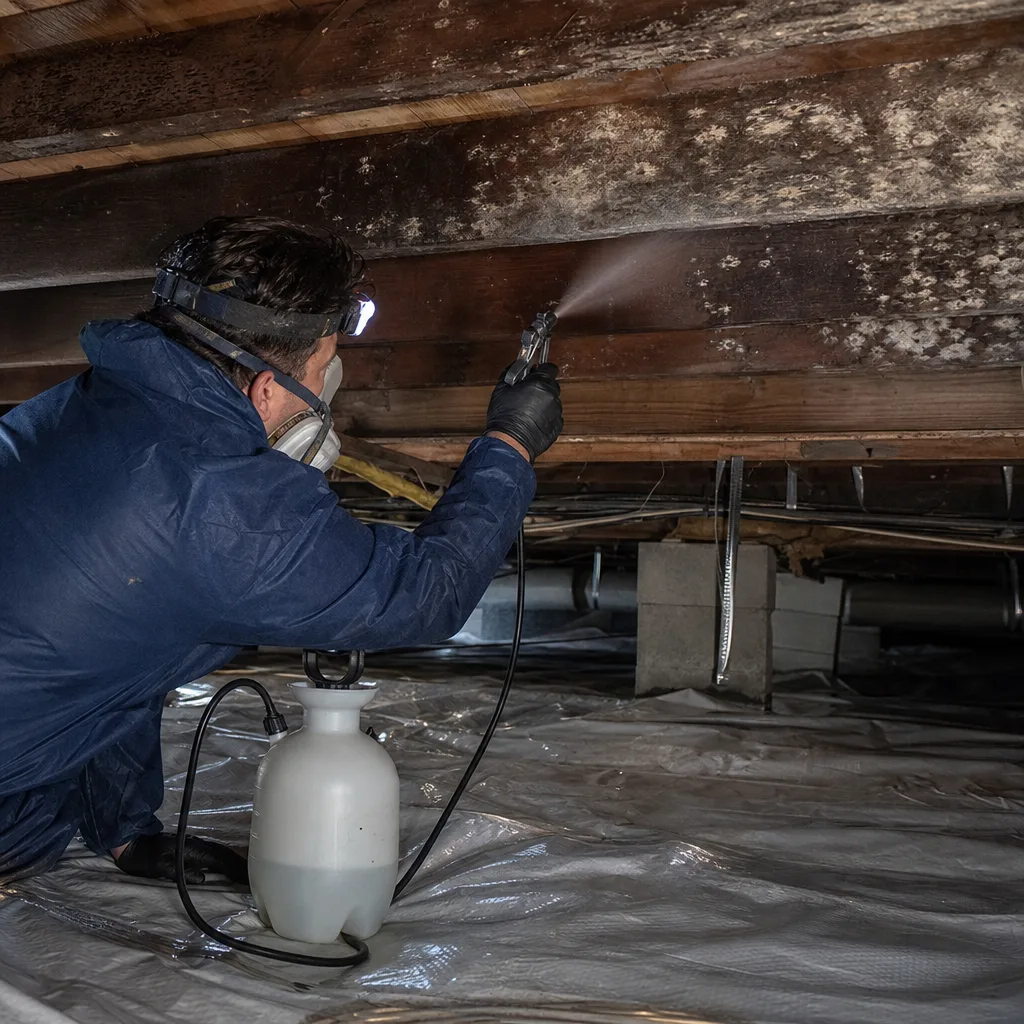
Spring Valley’s location in the Las Vegas Valley creates restoration conditions that differ from national norms. Understanding these local factors improves any decision. Our Seasonal Damage Restoration Care for Spring Valley: Year-Round Homeowner’s Guide breaks down what to expect each season.
Climate patterns: Summer monsoons from July through September bring brief, intense rainfall that overwhelms drainage systems in older neighborhoods. Flash flooding in Spring Valley’s 1980s-era subdivisions - particularly around Flamingo Road and south of Tropicana - frequently introduces Category 3 water into homes through foundation seepage and window well overflow. The water looks clean. It’s not. Soil contamination from desert landscaping chemicals, pet waste, and road runoff classifies it as black water regardless of appearance.
Soil and foundation: Spring Valley’s caliche soil, a cement-like calcium carbonate layer, limits natural drainage. Water that penetrates foundations tends to persist rather than percolate. We’ve documented cases where foundation moisture remained elevated six weeks after surface drying appeared complete, producing slab-edge mold that only thermal imaging revealed. Consumer moisture meters don’t read concrete moisture at depth.
Building stock characteristics: Much of Spring Valley’s housing was built between 1975 and 1995. These homes frequently contain:
- Asbestos-containing popcorn ceiling texture and vinyl floor tile
- Polybutylene plumbing, prone to sudden failure at fittings
- Original galvanized steel supply lines with interior corrosion
- HVAC systems with porous fiberglass duct liner that retains moisture and supports mold growth
A DIY approach that doesn’t account for these material risks - testing before disturbance, identifying plumbing vulnerabilities, inspecting ductwork - can convert a manageable water loss into a multi-trade remediation project.
In the Charleston Heights and Paradise Hills areas, we’ve seen repeated patterns: monsoon-driven window leaks that homeowners address with surface drying, unaware that water has saturated the exterior wall’s stucco brown coat. The moisture meter reads dry on the interior drywall. The cavity behind it cultivates mold for months. Professional inspection with borescopes or thermal imaging catches this. DIY surface assessment doesn’t.
Common Mistakes to Avoid
- Renting a dehumidifier without calculating cubic footage. A unit rated for 1,500 square feet at standard ceiling height fails in a vaulted Spring Valley living room with 16-foot ceilings. The math requires cubic feet, not square feet.
- Assuming “dry to the touch” means dry. Wood framing at 20% moisture content feels dry but supports mold growth and will fail to meet insurance documentation standards. Professional dry standard for structural wood is 12-16% in this climate.
- Removing carpet pad but leaving tack strip. Tack strips are porous wood with metal fasteners - perfect mold habitat when wet. They must be removed, dried, or replaced, not ignored because they’re inconvenient.
- Using household bleach on mold. Bleach evaporates faster than it penetrates porous materials, leaving moisture that feeds deeper mold growth. It also doesn’t produce the documentation of professional antimicrobial application that adjusters expect for mold-related claims.
- Failing to photograph the water line before cleanup. Adjusters use water line height to estimate affected volume and verify scope. A photo of the line on drywall, with a measuring tape visible, is standard documentation. Cleaning first destroys this evidence.
- Not checking the HOA’s master policy in Spring Valley condos and townhomes. Common wall water losses often involve dual coverage questions. DIY mitigation without clarifying responsibility can create liability if water spreads to neighboring units.
- Delaying the decision while researching. The 24-48 hour window for effective mitigation is real. Spending three days comparing rental prices and reading guides allows secondary damage to develop. Make the call or start the equipment; don’t wait.
When to Call a Professional
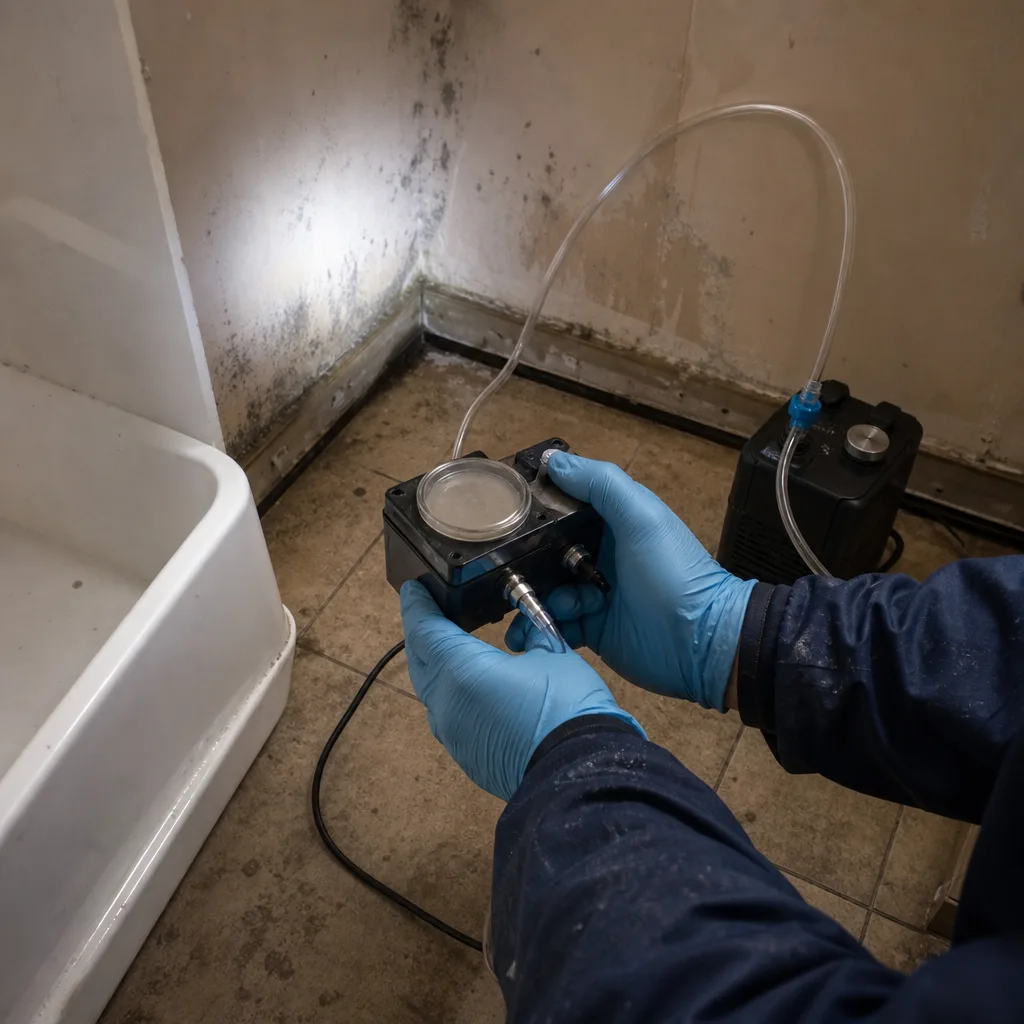
Call a professional when any of these apply: the loss exceeds one room, water has been present more than 24 hours, the source involves sewage or outdoor flooding, mold is visible or suspected, your insurance claim depends on documented mitigation, or your home was built before 1990 and asbestos testing hasn’t been performed.
DryMark Restoration Spring Valley offers free estimates in Spring Valley - call (702) 430-2725. We provide a written price before any work starts, every time, under Haven Standard, Clause 1. Bring any competitor’s written estimate and we’ll review it at no charge through our Free Second Opinion program. Our documentation package - daily moisture logs, photo record on every visit, and equipment inventory - is standard on every job, not an upsell.
Frequently Asked Questions
Yes, frequently - not because the work was inferior, but because undocumented drying receives depreciation under most HO-3 policies. Insurers apply a “failure to mitigate” reduction when third-party drying logs aren’t available. Call (702) 430-2725 for an exact quote - estimates are free.
Live person answers every call, 24 hours a day, 7 days a week - no voicemail trees. Emergency response typically deploys within 90 minutes for active water losses in the Spring Valley service area. For non-emergency assessments, same-day or next-day scheduling is standard.
Nevada requires professional mold remediation for contiguous growth exceeding 10 square feet. Below that threshold, surface cleaning of non-porous materials is DIY-eligible. The critical question is whether the visible area represents the total growth - wall cavities, HVAC systems, and subflooring often conceal additional colonization. Professional inspection with moisture mapping determines true scope.
Either arrangement works, but direct coordination between restoration company and adjuster produces faster claim resolution. We document to IICRC, RIA, and IFA standards specifically because adjusters recognize this format and process it without dispute. Our photo records and drying logs are transmitted directly to adjuster portals when authorized. You remain the policyholder and final decision-maker on all work authorizations.
For a small clean-water loss in a single room, DIY equipment rental runs $800-2,000; professional service runs $2,500-4,500. The net difference narrows or reverses when insurance claim depreciation, extended timeline costs, and potential secondary damage are included. For medium losses or any Category 2/3 contamination, professional service is typically less expensive overall. Call (702) 430-2725 for a written price on your specific situation - Haven Standard, Clause 1 applies.
You can, but the documentation gap widens. Adjusters question why professional service wasn’t engaged sooner if DIY efforts failed. The most defensible approach: document everything from hour one with timestamped photos, moisture readings, and equipment model numbers; or engage professionals for the initial assessment and decide on scope after seeing their written price. Our Free Second Opinion program lets you compare a professional scope against your DIY plan before committing.
The Bottom Line
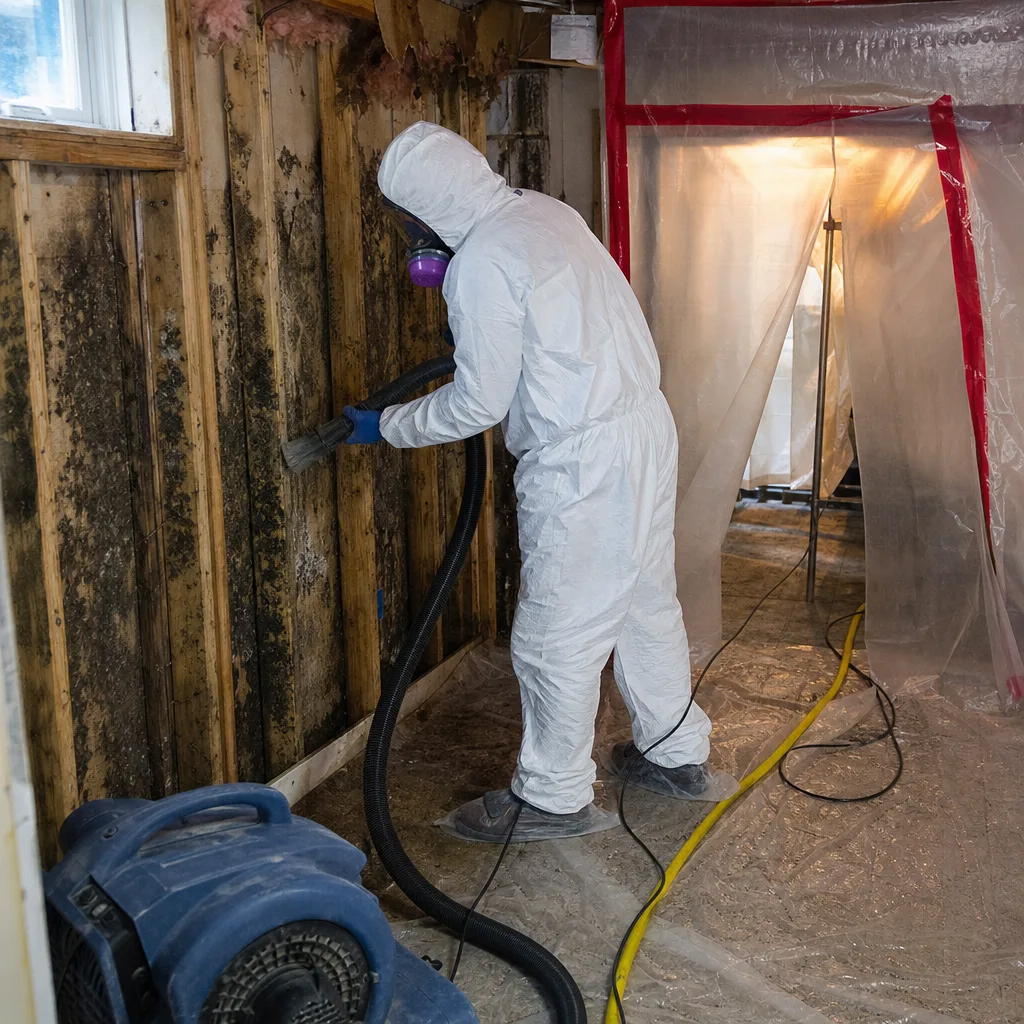
The DIY-versus-professional decision in Spring Valley is a documentation problem disguised as a skill question. Most homeowners can operate extraction equipment. Few produce the moisture logs, photo records, and written scopes that transform restoration work into payable insurance claims. Nevada’s licensing thresholds - particularly the 10-square-foot mold boundary - create legal constraints beyond capability. And Spring Valley’s specific risks, from monsoon-driven Category 3 flooding to caliche soil moisture retention, reward local expertise. When insurance is in the room, professional documentation typically pays for itself. When it’s not, honest equipment math and timeline calculation reveal the true cost. Download our Water Damage Restoration Maintenance Checklist for Spring Valley Homeowners to track your own readiness. The Haven Standard exists because we’ve seen what sloppy documentation costs homeowners - and because a written price before work begins, a photo record on every visit, and a 365-Day Done Right Promise turn restoration from a gamble into a measured decision.
Written by Alicia Brennan, Owner at DryMark Restoration Spring Valley, serving Spring Valley since 2011.