
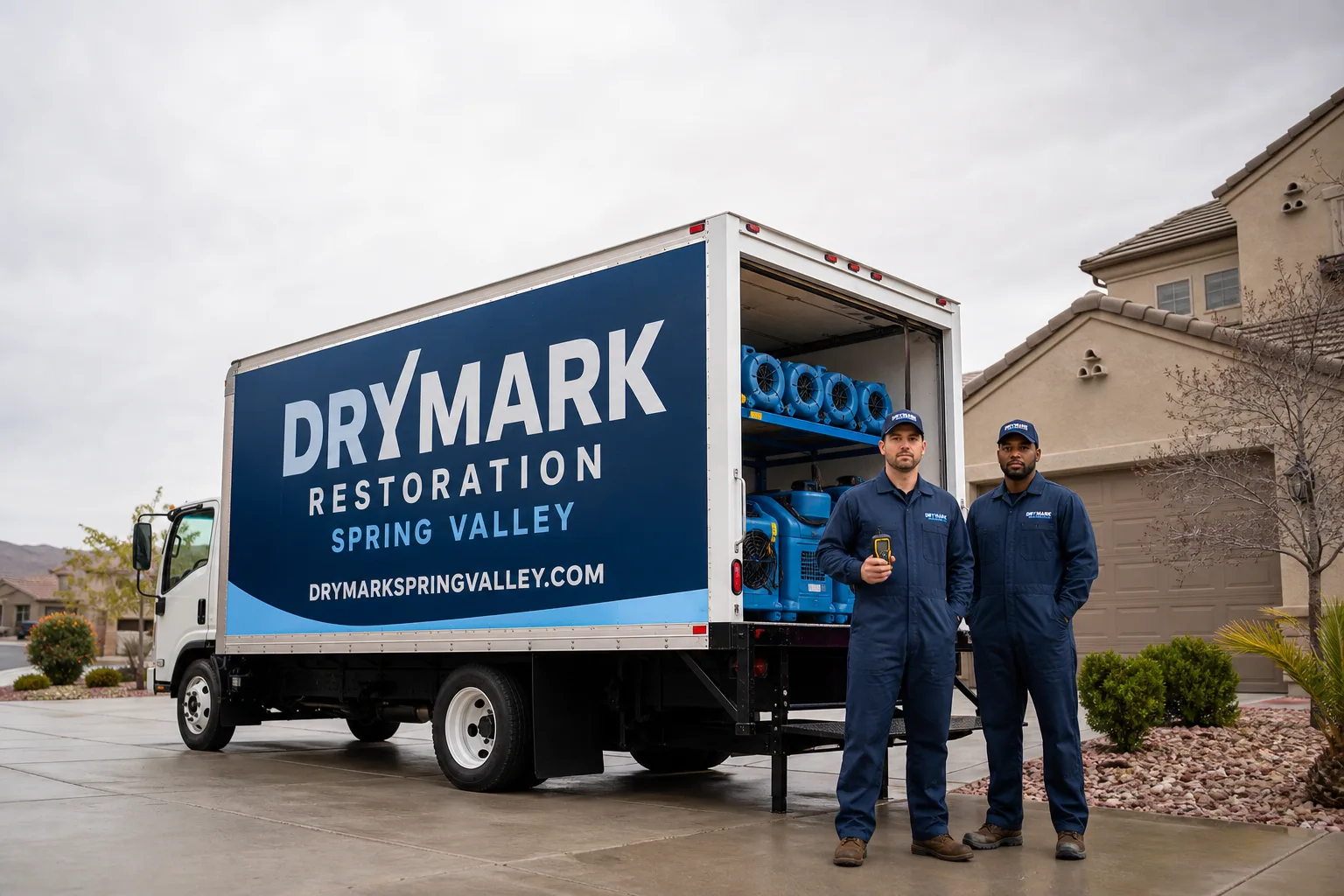
Free visual inspection and a written scope of work before any mitigation begins - photos, moisture readings, and drying logs go in your claim file
The scope we write is the scope we bill. Anything new gets shown to you, in writing, before we touch it.
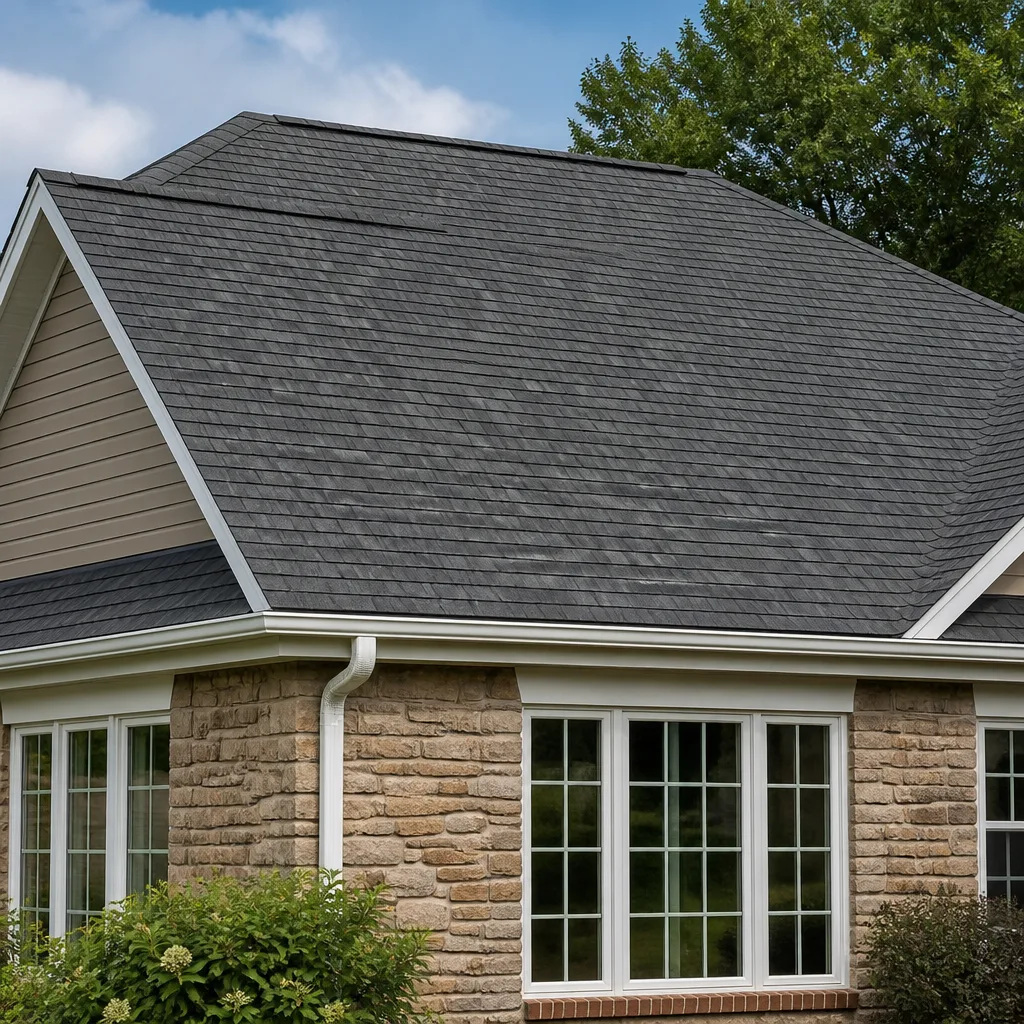
Fast, Reliable Water Damage Restoration Across Whitney
Water damage restoration in Whitney, NV typically costs $2,800-$7,500 for whole-home drying and runs $180-$340 per affected room for extraction and initial setup. Most emergency calls in the Whitney area reach a live dispatcher within two rings, with crews dispatched from our Las Vegas office and on-site in Whitney within 45-90 minutes depending on time of day and Nellis Boulevard traffic.
We know Whitney’s homes. The 1960s and 1970s tract ranches off Nellis Boulevard and Boulder Highway, the flat built-up roofs, the evaporative coolers still running on top of them, the original copper plumbing punished by decades of hard Colorado River water. When water moves in these houses, it doesn’t announce itself. It stains a ceiling slow and brown, or it pools behind stucco where you can’t see it, or it surges under a door during a July monsoon that dumps an inch in twenty minutes on ground that was baked hard as concrete all summer. Our Water Damage Restoration team documents every moisture reading, every photo, every drying log to IICRC standards - because in Whitney, where permits run through Clark County and not a city building department, that documentation is what gets your reconstruction signed off.
Call (702) 430-2725. A live person answers, 24 hours a day, 7 days a week. No voicemail trees while water is still moving.
Why DryMark Restoration Spring Valley Is Whitney’s Preferred Water Damage Restoration Company
We’ve restored water-damaged homes in Whitney since 2011, and the pattern is consistent: homeowners here are self-reliant, they maintain their own properties, and they want the job documented correctly the first time so they don’t have to fight their insurance company or a county inspector later. That is exactly how we work.
Our crews know the specific failure modes of Whitney’s housing stock. We’ve cut containment on enough flat-roof cooler leaks and mapped enough moisture behind stucco walls to recognize the signs before the full damage is exposed. Reviews from Whitney customers consistently mention two things: the written price delivered before anyone started work, and the photo record they received at the end showing every step.
Response time to Whitney averages under an hour from dispatch. We coordinate scheduling from our Las Vegas office, but the crews serving Whitney are the same technicians who handle the local unincorporated Clark County permitting path regularly. They know which county inspector to call, what documentation that inspector expects to see, and how to structure a drying log that keeps the job moving toward reconstruction approval without delays.
Every technician is background-checked, uniformed, and licensed - license number provided on request. Every job carries our 365-Day Done Right Promise under The Haven Standard: if it’s not done right, we make it right. That’s not a marketing line. It’s a signed guarantee.
Our Water Damage Restoration Services in Whitney
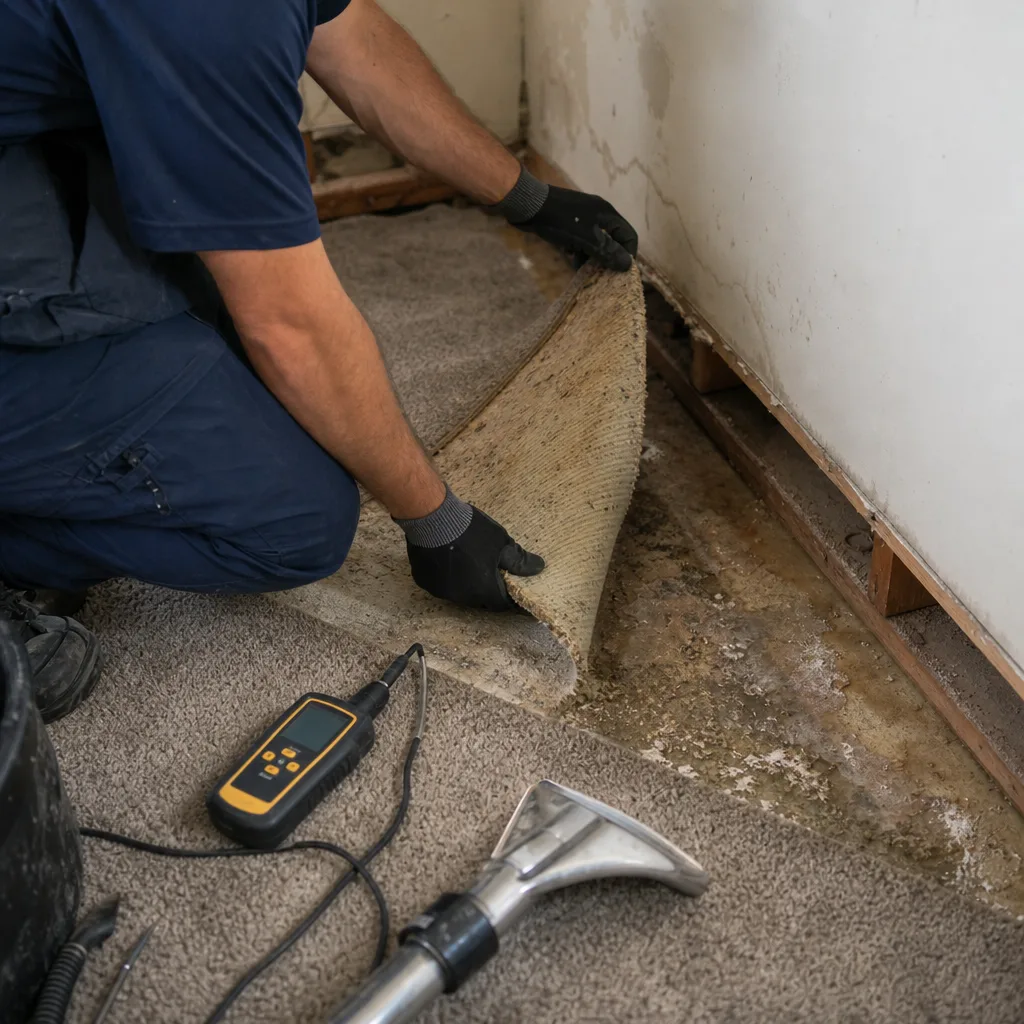
Emergency Water Extraction
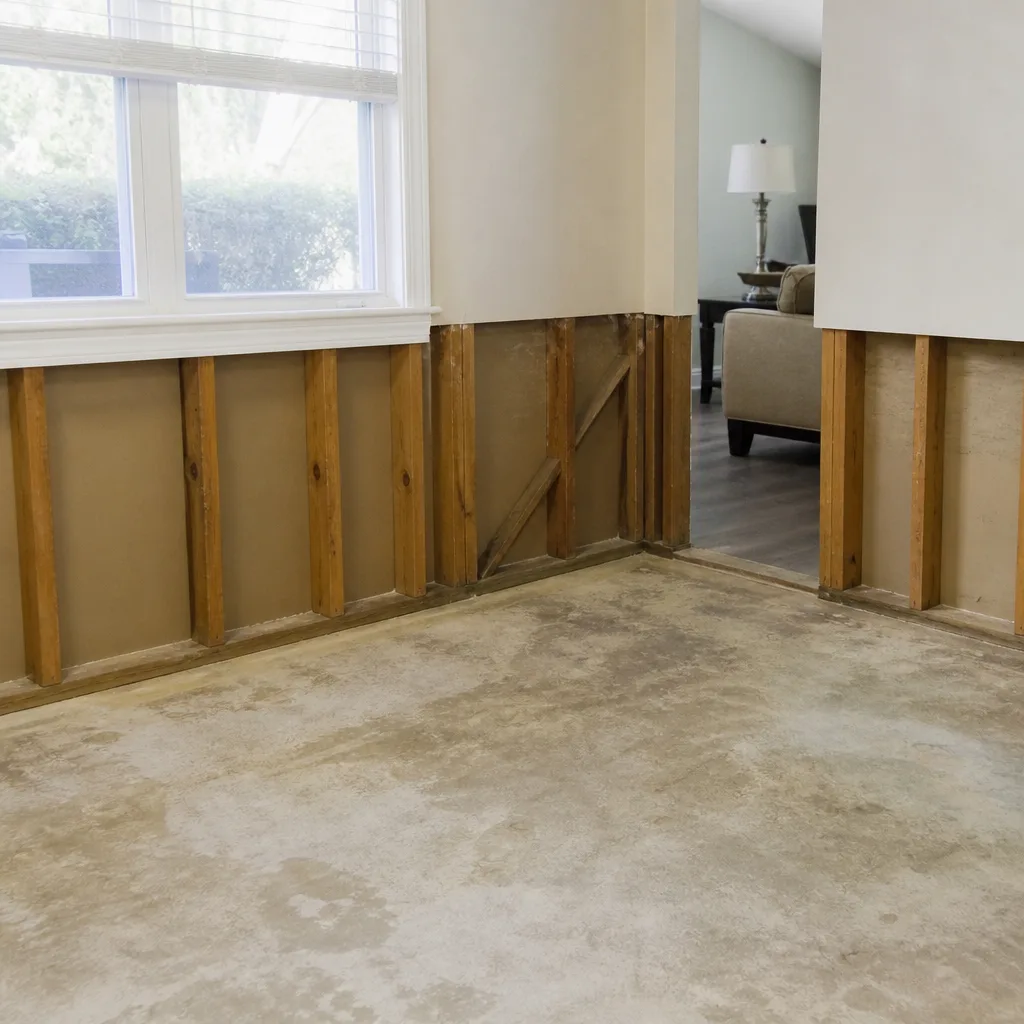
When a monsoon cell parks over Whitney and water is coming through a ceiling or pushing under a door, speed matters. Our extraction teams run truck-mounted systems and portable flood pumper units to remove standing water fast. On slab-on-grade homes common in Whitney’s 1960s-70s developments, we pay particular attention to water migration under baseboards and into wall cavities - it doesn’t stay where it lands. We extract, then we map. Every wet square foot gets documented before drying equipment goes in.
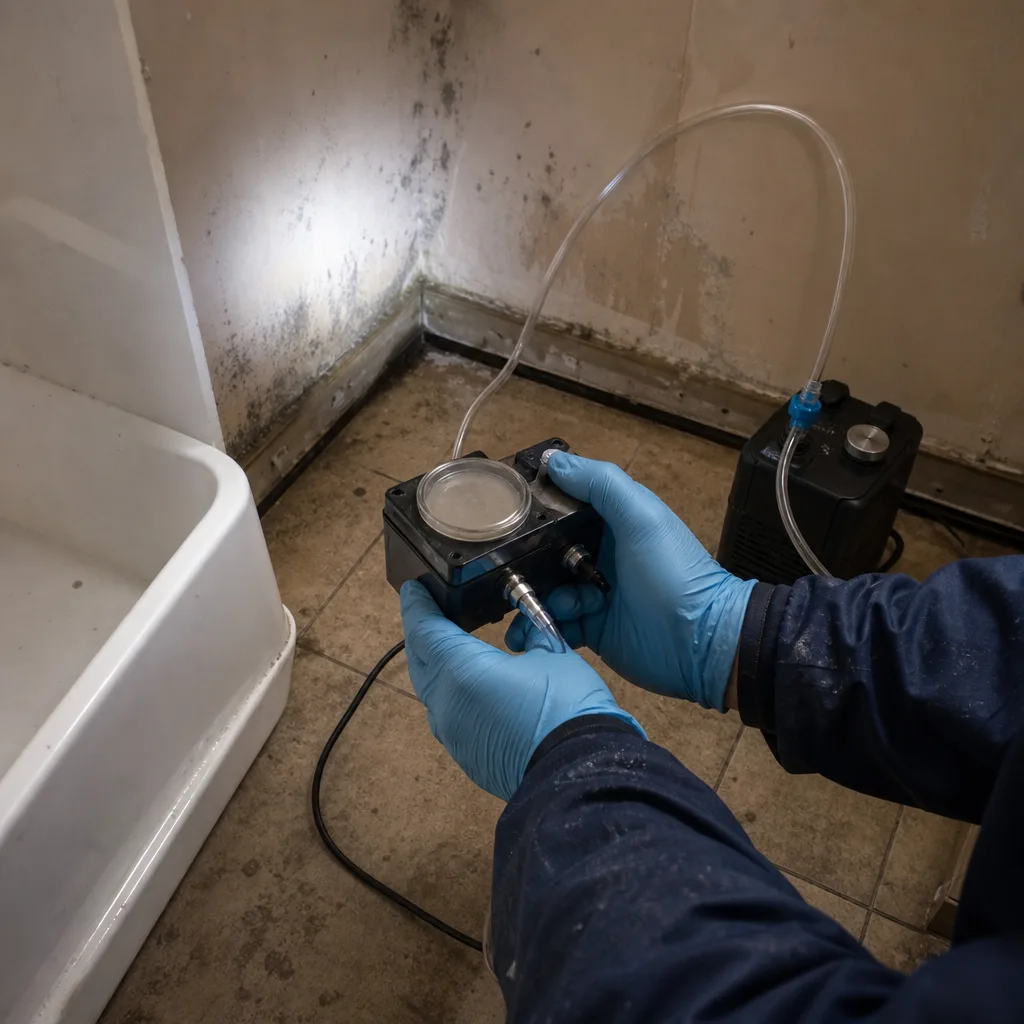
Structural Drying & Dehumidification
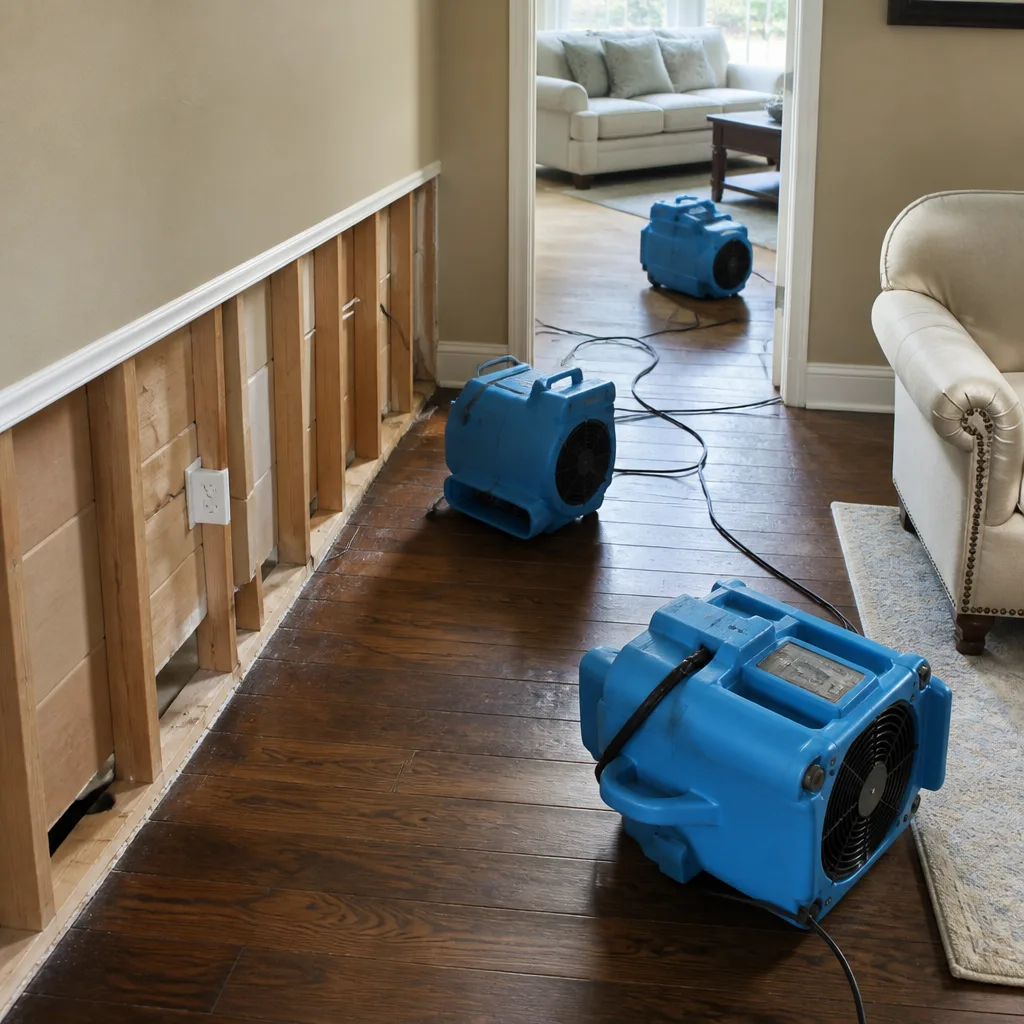
This is where Whitney jobs often diverge from standard protocols. The combination of concrete block or wood-frame stucco construction with flat roofs means moisture gets trapped in assemblies that don’t breathe well. We deploy Phoenix dehumidifiers, B-Air air movers, and Injectidry cavity drying systems to establish vapor pressure differentials that pull moisture out of wall cavities and roof decks without unnecessary demolition. Daily psychrometric readings - temperature, relative humidity, specific humidity, and vapor pressure - are logged to IICRC standards and formatted for Clark County inspector review. On a recent job off Nellis Boulevard, we ran tertiary drying for eleven days to bring a flat-roof deck assembly below 12% moisture content, with the county inspector signing off on each phase because the documentation was complete.
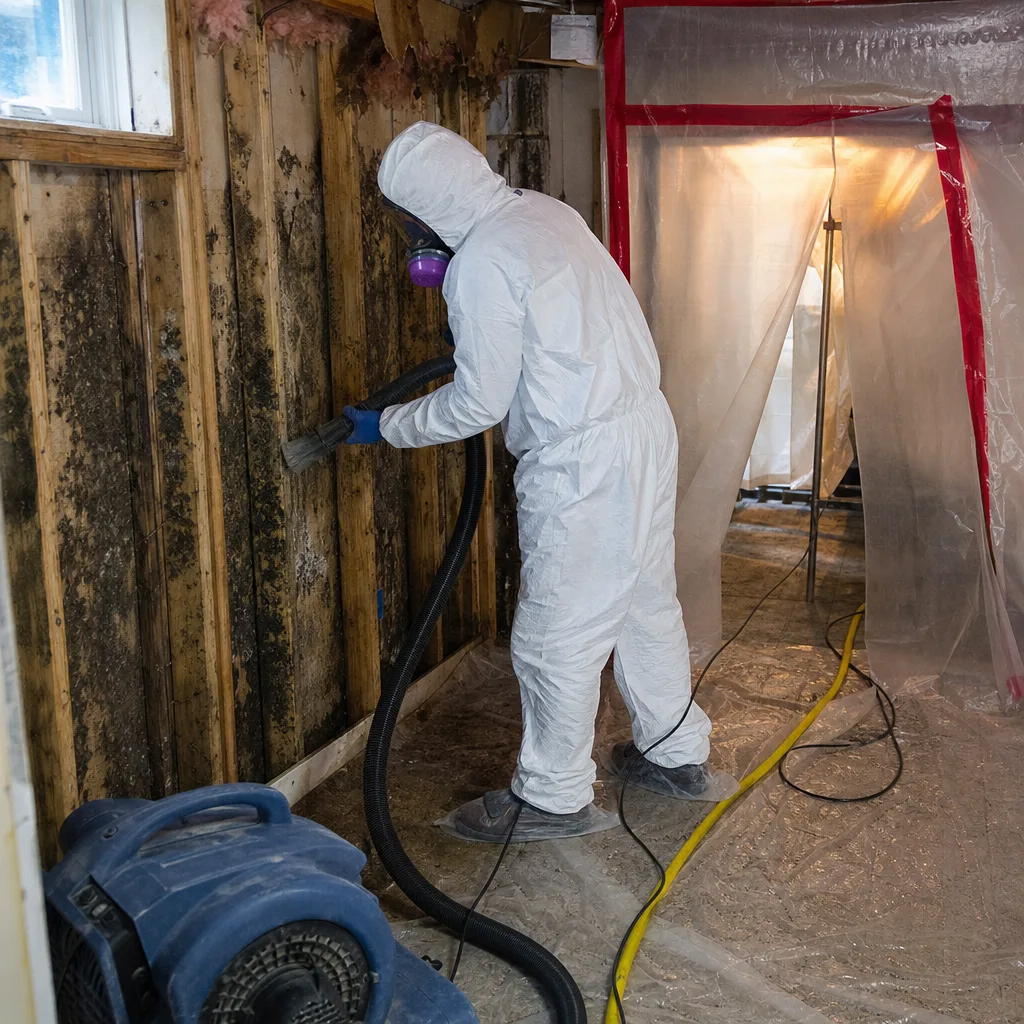
Flood Cleanup
Whitney’s flat desert grade and minimal engineered stormwater infrastructure make flash-flood intrusion a recurring problem during monsoon season. Category 3 water - water that has contacted soil, debris, or other contaminants - requires different handling than a clean supply line break. We assess the source, classify the water, and document the classification with photos before beginning extraction. Porous materials that have absorbed Category 3 water are removed, not dried. Non-porous surfaces are cleaned and treated. The scope is written before work starts, Haven Standard, Clause 1, so you know exactly what stays, what goes, and what it costs.
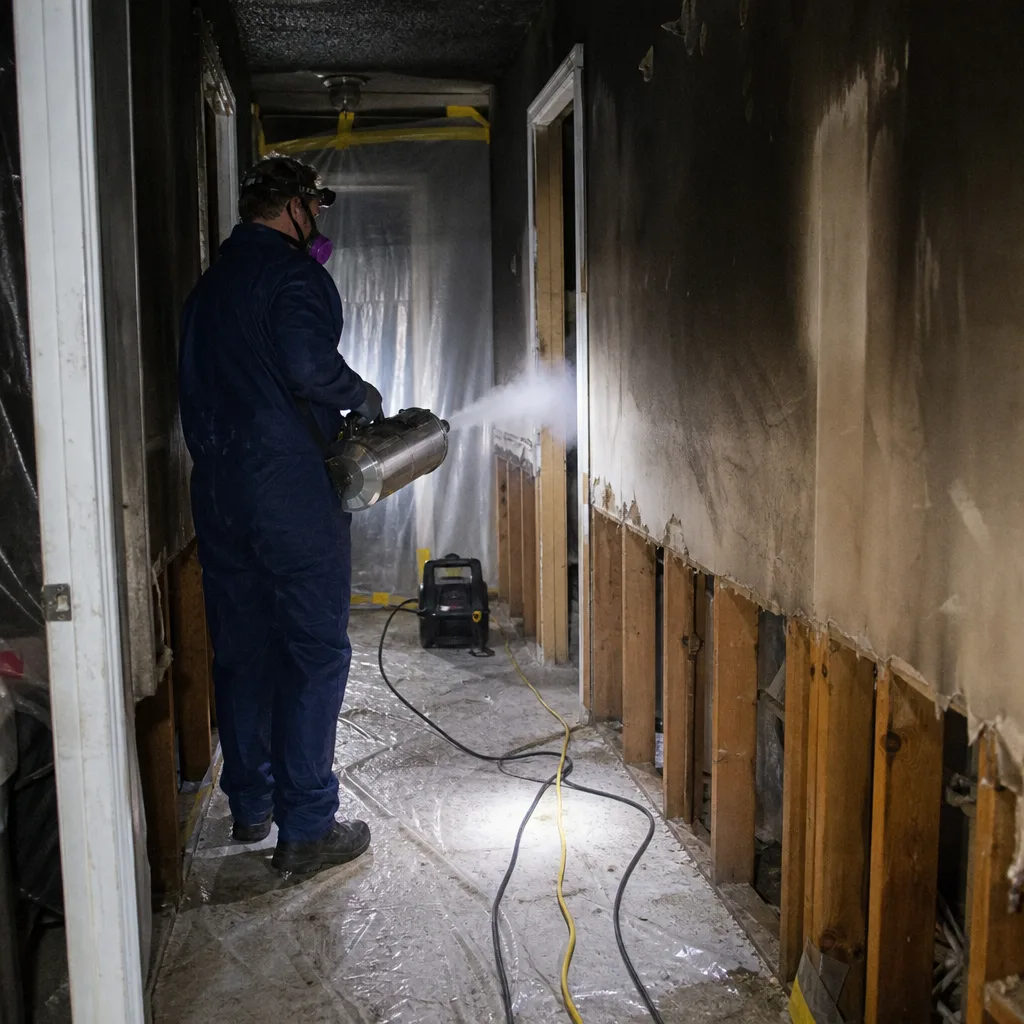
Burst Pipe Restoration
Whitney’s original copper and galvanized supply lines, installed during the 1960s-70s building boom, are now past their designed service life. Decades of hard Colorado River water - among the hardest municipal water in the country - has thinned pipe walls and accelerated corrosion. Pinhole leaks spray fine mists that saturate wall cavities slowly. By the time you see staining on drywall or baseboards, the damage behind it can be extensive. We locate the leak, document the affected area with moisture mapping, and present a written drying and repair scope before cutting into any stucco. Our photo record on every visit shows you and your insurer exactly what was found and what was done.
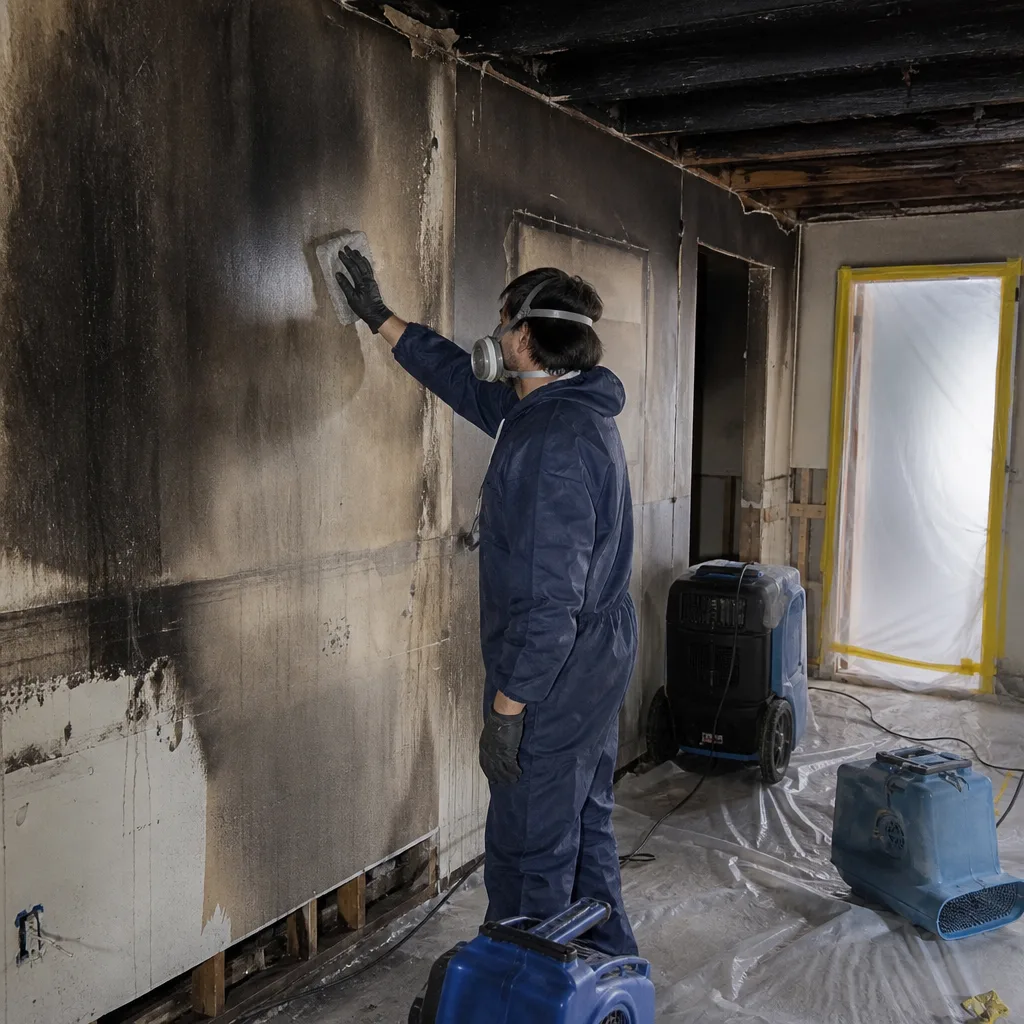
Ceiling & Roof Leak Water Damage
The flat built-up roofs on Whitney’s older stock are vulnerable to two specific failure modes we see repeatedly. First, thermal cycling - 110°F summer days dropping to 70°F at night - stresses roofing membranes and caulking until they crack. Second, and more distinctive to Whitney, evaporative cooler pans and pad seals degrade in brutal UV and heat, then drip steadily onto roof decking. The water follows the path of least resistance into ceiling drywall, and the damage is advanced before any stain appears. We probe the roof deck, map the moisture spread, and dry the assembly with targeted injection and dehumidification where possible. When decking is compromised, we document it with photos and include replacement in the written scope.
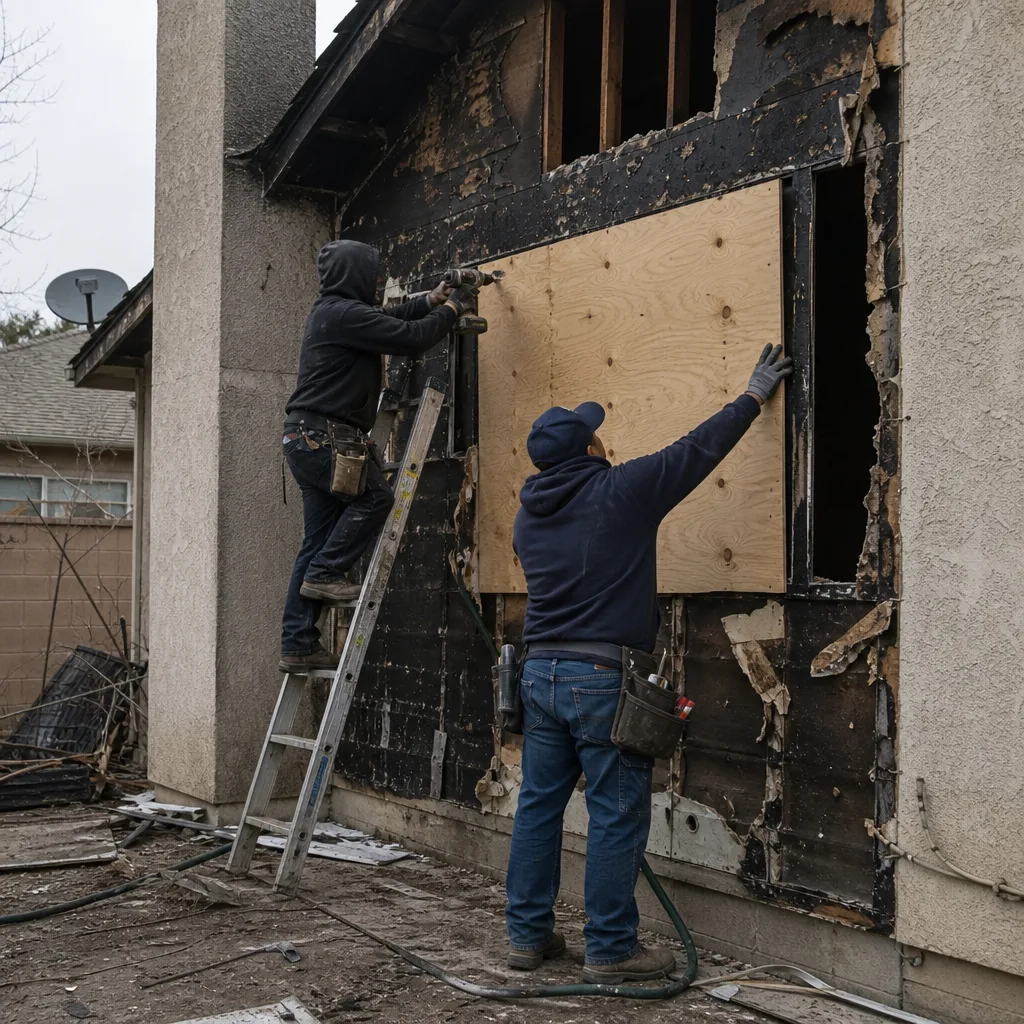
What happens when you call
- 1
A real person answersNo phone trees - you reach a local pro.
- 2
You get an upfront price rangeHonest numbers before anyone is dispatched.
- 3
A background-checked tech heads outLicensed & insured, dispatched right away.
- 4
You approve before work beginsNothing starts until you say go.
Trusted Brands We Service in Whitney
Our drying equipment comes from manufacturers whose names mean something when an adjuster reads the file: Phoenix dehumidifiers, B-Air air movers, and Injectidry cavity drying systems. We don’t rent equipment by the job. We own it, maintain it, and deploy it with technicians trained to IICRC standards. For Whitney homeowners, this means consistent performance and documented output - daily moisture logs that show vapor pressure differentials and drying progress in numbers, not vague assurances. When your claim depends on proving that a structure was dried to standard before reconstruction began, that documentation is the difference between a paid invoice and a disputed one.
Common Water Damage Restoration Problems We See in Whitney Homes
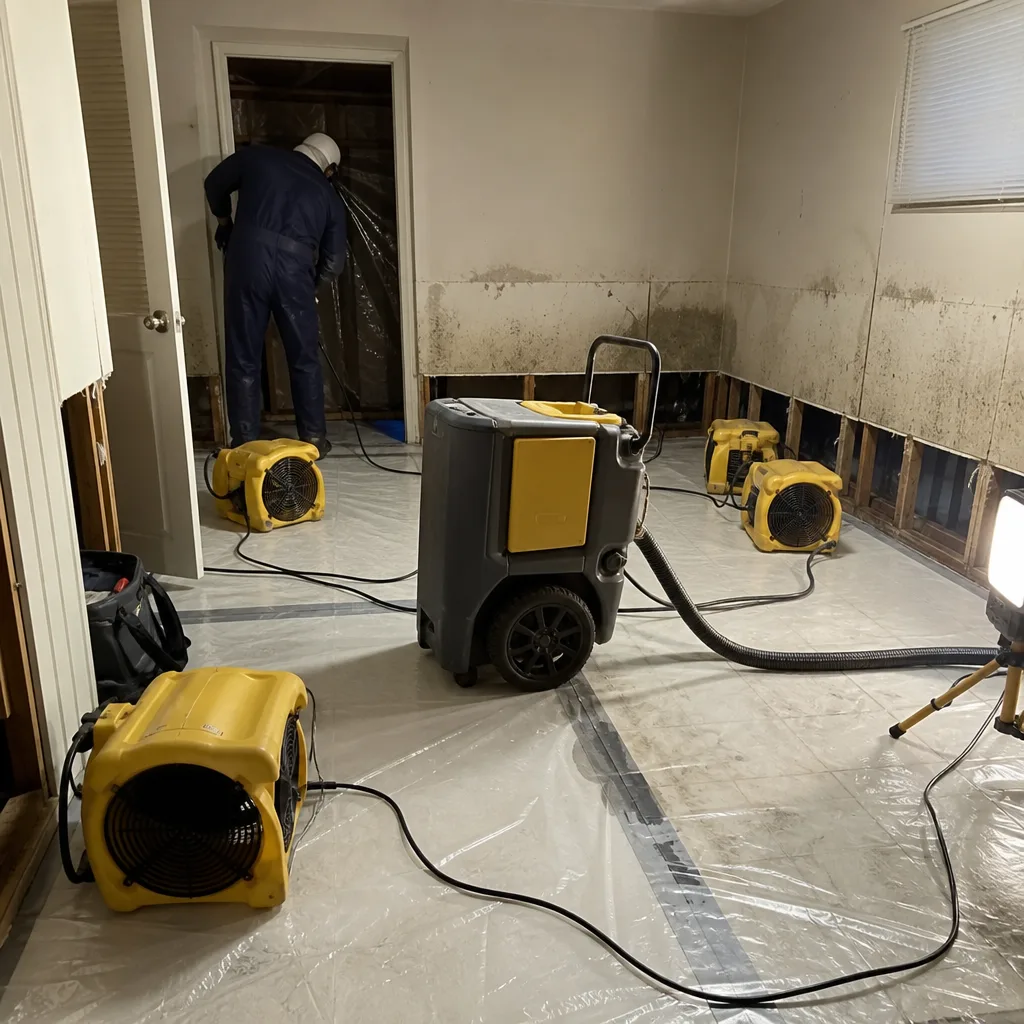
- Evaporative cooler pan seal failures on flat roofs. Still common on Whitney’s 1960s-70s stock, these coolers drip slowly onto built-up roof decking for months or years before ceiling staining appears. By then the decking is often soft to the probe and the insulation below is saturated.
- Pinhole leaks in original copper or galvanized supply lines. Decades of hard Colorado River water thins pipe walls from the inside. The leak is silent, the wet cavity is hidden behind stucco, and the first visible sign is often a brown stain at the base of a wall or a warped baseboard.
- Monsoon flash-flood surges on flat desert grade. Whitney lacks the engineered stormwater infrastructure of incorporated cities. When intense thunderstorms hit, water pools and pushes under door thresholds into slab-on-grade homes, bringing Category 3 contamination that changes what can be dried versus what must be removed.
- Flat-roof membrane thermal fatigue. Summer highs above 110°F followed by rapid evening cooling stress roofing materials until they crack. Water enters through seams and fastener penetrations, then travels laterally across the roof deck before dropping into the structure below - often far from the actual breach.
Pricing for Water Damage Restoration in Whitney, NV
These are the ranges we see on Whitney jobs, delivered in writing before work starts, every time:
| Service | Typical Range in Whitney |
|---|---|
| Emergency water extraction (initial visit) | $180-$340 per affected room |
| Structural drying & dehumidification setup | $1,200-$2,800 |
| Whole-home drying (moderate damage) | $2,800-$5,200 |
| Whole-home drying with Category 3 flood cleanup | $4,500-$7,500 |
| Ceiling/roof leak damage (isolated area) | $900-$2,400 |
| Moisture mapping and documentation | Included, never an upsell |
What moves a job toward the higher end: multiple affected rooms, Category 3 water requiring removal of porous materials, delayed discovery allowing secondary damage, and the need for cavity drying or tertiary drying phases to satisfy county inspection. What keeps costs controlled: fast extraction, accurate moisture mapping that avoids unnecessary demolition, and equipment sized correctly to the job rather than over-deployed. We provide a Free Second Opinion on any competitor’s written estimate - bring it to us and we’ll review it at no charge. Call (702) 430-2725 for your written price.
We Also Serve Cities Near Whitney
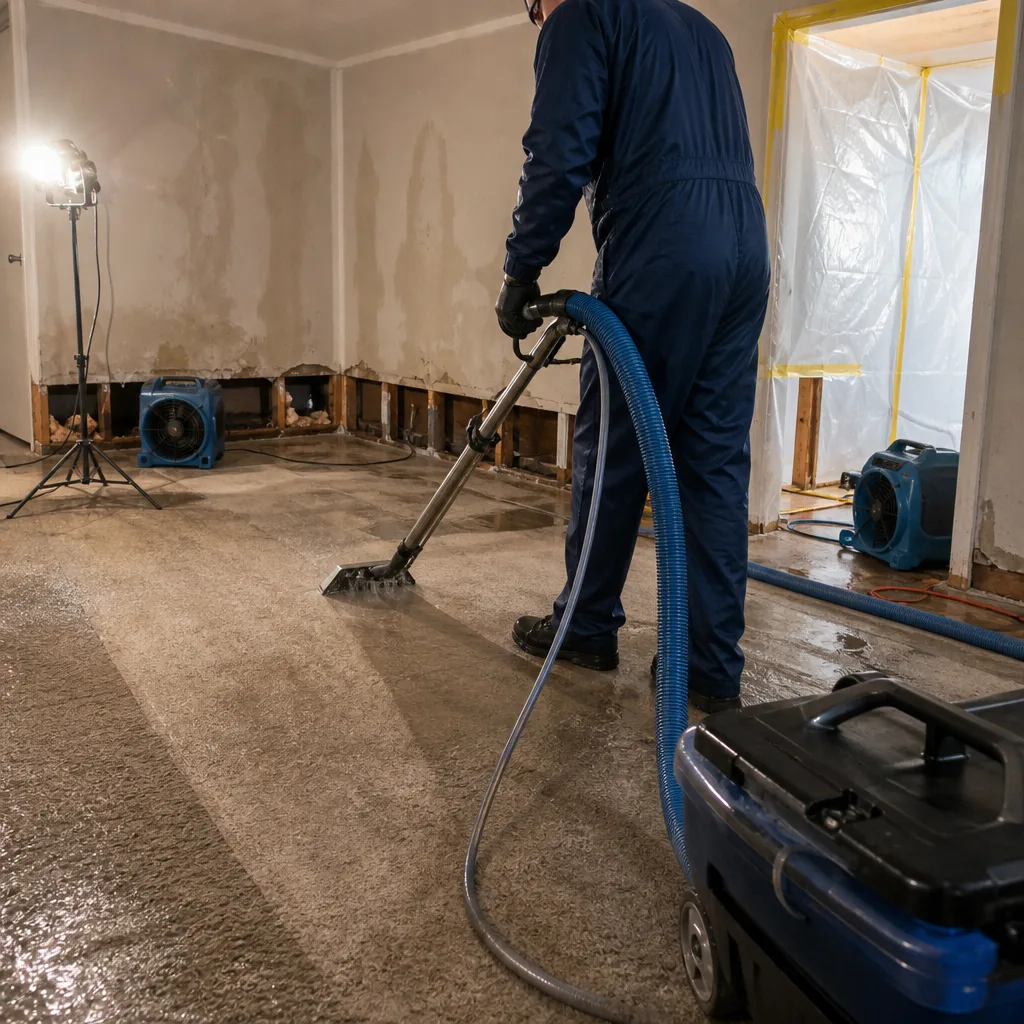
Our crews handle Water Damage Restoration in Whitney and the surrounding unincorporated Clark County communities, including Spring Valley, Summerlin South, Enterprise, and Summerlin. Each area has distinct housing stock and permitting paths, and we adjust our documentation and drying protocols accordingly.
Serving Whitney, NV - Our Local Coverage Area
We’re based in the Whitney area and know this community well. Use the map below to see our service coverage - if you’re nearby, we can almost certainly help.
FAQs - Water Damage Restoration in Whitney
Because Whitney is unincorporated Clark County, all permits and inspections route through the Clark County Building Department rather than a municipal authority like Henderson or Las Vegas. This means structural drying decisions often require county inspector sign-off before reconstruction begins, and the documentation standard is higher. We build every drying log to satisfy that inspector on the first review, avoiding delays. Call (702) 430-2725 and we’ll walk you through what the county will need to see on your specific job.
Yes, and it’s one of the most common hidden water damage sources we find in Whitney. The cooler pan and pad seals degrade in UV and heat, then drip steadily onto the built-up roof deck below. The damage advances silently until ceiling drywall shows staining, by which point the decking is often compromised. We probe the deck, map the moisture spread, and document everything for your insurer and the county inspector. If you’ve got a brown ring on your ceiling and a cooler overhead, call (702) 430-2725.
Usually yes. When flash flood water enters a Whitney home, it has typically contacted soil, debris, and possibly sewage from overwhelmed drainage systems. That classification means porous materials - carpet, pad, drywall, insulation - must be removed rather than dried. Non-porous surfaces can be cleaned and treated. We classify the water, document it with photos before touching anything, and write the scope accordingly. The written price reflects exactly what the classification requires. Call (702) 430-2725 for an exact quote - estimates are free.
Sometimes, but only after the leak is stopped and the cavity is fully accessed for moisture mapping. Original copper and galvanized lines in Whitney’s 1960s-70s homes fail from the inside due to hard water corrosion. The wet cavity behind stucco may be extensive by the time staining appears. We use thermal imaging and pinless moisture meters to trace the damage boundary, then determine whether Injectidry cavity drying or controlled demolition is appropriate. The decision is documented, photographed, and explained in writing before work proceeds. Call (702) 430-2725 for an assessment.
In Whitney’s climate, mold colonization can begin within 24-72 hours of water intrusion, though the extreme summer dryness sometimes delays visible growth until humidity spikes. The real risk is in wall cavities where trapped moisture creates a microclimate. Our structural drying protocols target below 60% relative humidity and 12% wood moisture content to prevent colonization, with daily readings logged to prove the conditions were maintained. If mold is already present, we document it and pivot to mold remediation under separate scope. Call (702) 430-2725 for immediate drying - speed is the best prevention.
Written by Alicia Brennan, Owner at Back to Dry Restoration, serving Whitney and the Las Vegas Valley since 2011.