
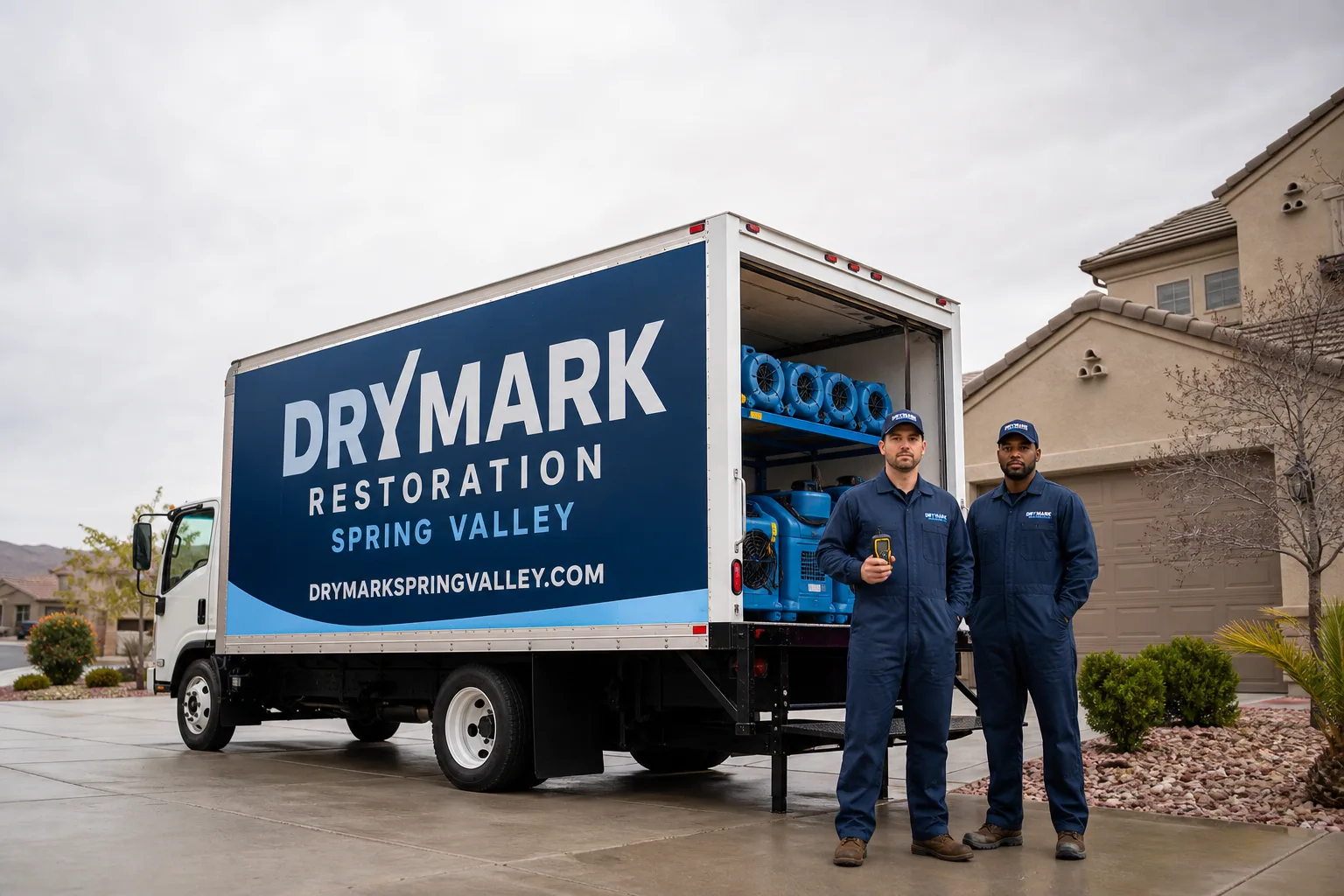
Free visual inspection and a written scope of work before any mitigation begins - photos, moisture readings, and drying logs go in your claim file
The scope we write is the scope we bill. Anything new gets shown to you, in writing, before we touch it.
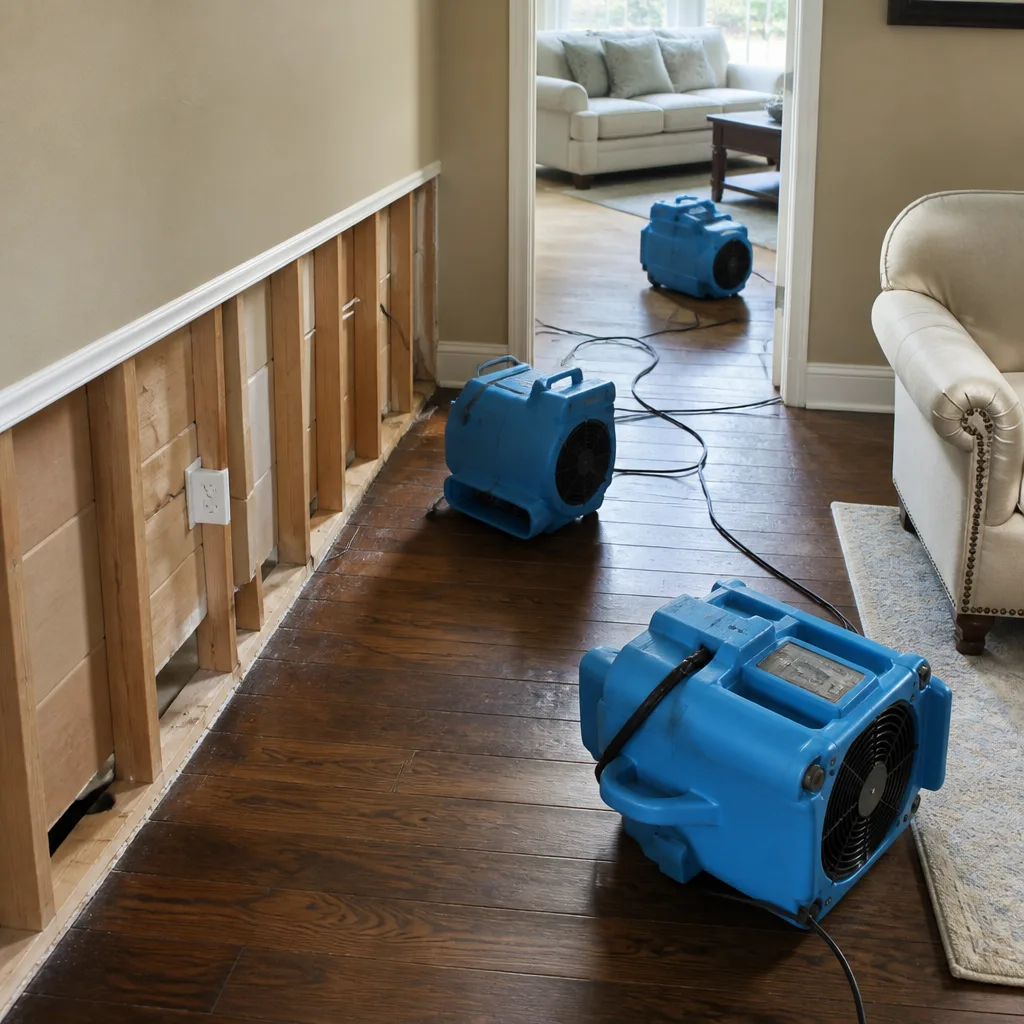
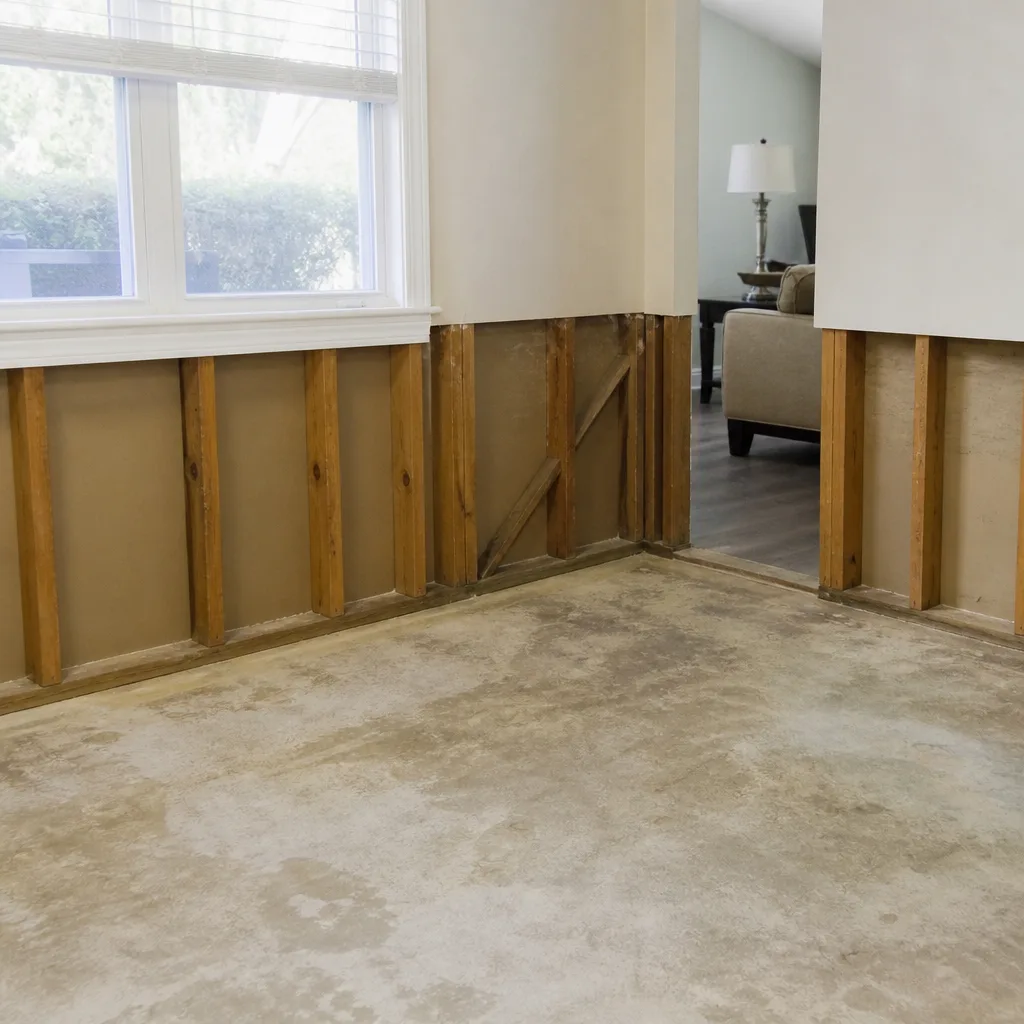
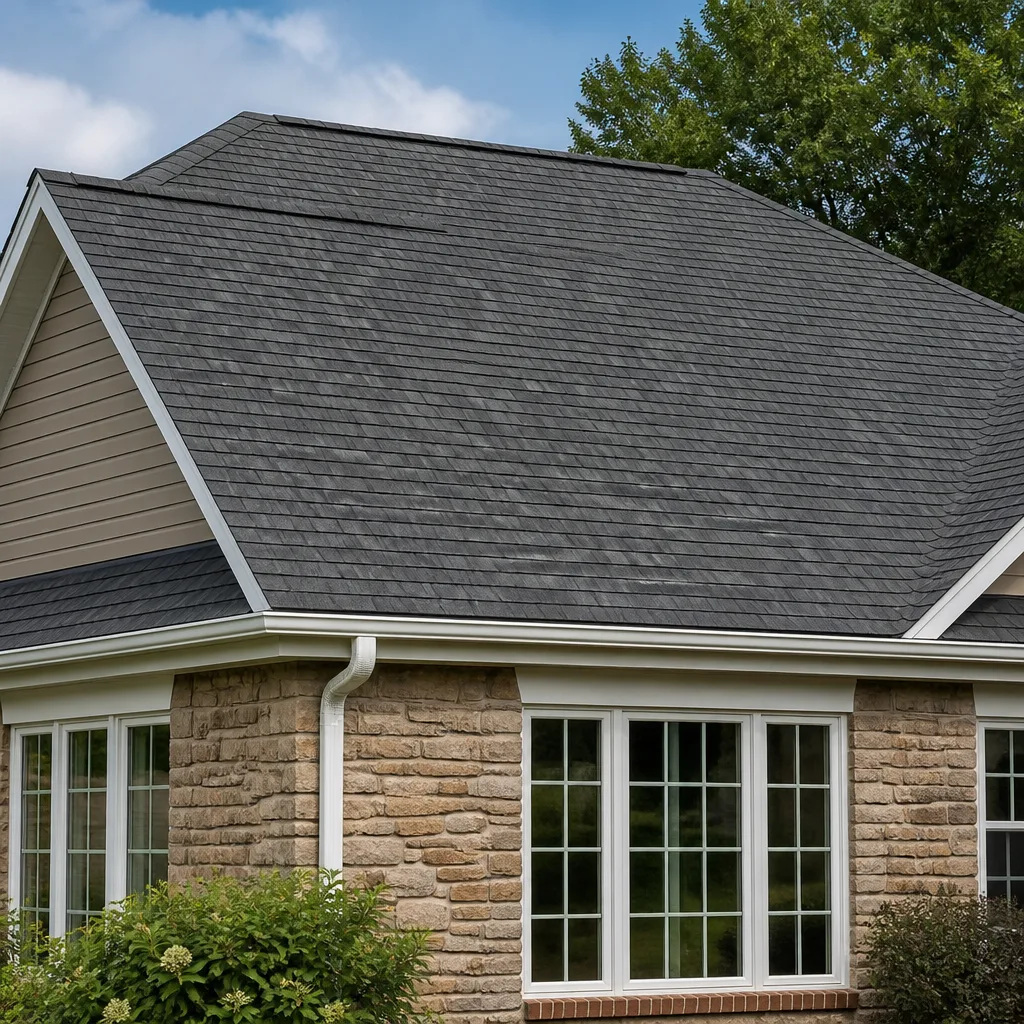

Fast, Reliable Fire & Smoke Damage Restoration Across Centennial Hills
Fire and smoke damage restoration in Centennial Hills typically costs $3,200-$8,500 for a partial-home cleanup and $12,000-$35,000 for full-structure remediation, with most smoke and soot removal projects completed in 3-7 days. Our crews are dispatched from our Las Vegas office and can be on-site anywhere in Centennial Hills within 45-60 minutes for emergency board-up and stabilization. We know these homes: the energy-sealed 2000s stucco tract construction, the multi-valley tile roofs that trap debris, and the caliche hardpan underneath that forces monsoon water through weep screeds instead of absorbing it. That local knowledge changes how we scope every fire job. Call (702) 430-2725 - a live person answers, 24 hours a day.
Why DryMark Restoration Spring Valley Is Centennial Hills’s Preferred Fire & Smoke Damage Restoration Company
We’ve restored fire-damaged homes from the Tule Springs area to the Skye Canyon edge, and our Centennial Hills customers leave reviews that mention the same thing: we document everything before we touch anything. Our Fire & Smoke Damage Restoration team carries written scopes, photo records, and moisture logs on every visit - the documentation that turns restoration invoices into paid insurance claims.
Response time to Centennial Hills averages under an hour for emergency calls because our Las Vegas office dispatches crews directly to the northwest valley. We don’t route you through a national call center or promise a callback tomorrow. A live person answers, scopes your loss, and gets technicians moving.
Our local knowledge runs deeper than GPS coordinates. We know that Centennial Hills homes built between 2000 and 2010 were constructed during the mid-2000s boom on former Mojave Desert terrain with caliche hardpan beneath. That dense mineral layer prevents water absorption and funnels July-September monsoon runoff into homes along natural desert washes. After a fire, when water from suppression or weather enters the picture, this geography changes everything about how we dry and restore.
Alicia Brennan built Back to Dry Restoration in 2011 after working as a claims adjuster and watching homeowners lose legitimate claims to sloppy documentation. That origin is why every Centennial Hills job starts with a written price before work begins - Haven Standard, Clause 1 - and ends with a 365-Day Done Right Promise stamped on the invoice.
Our Fire & Smoke Damage Restoration Services in Centennial Hills
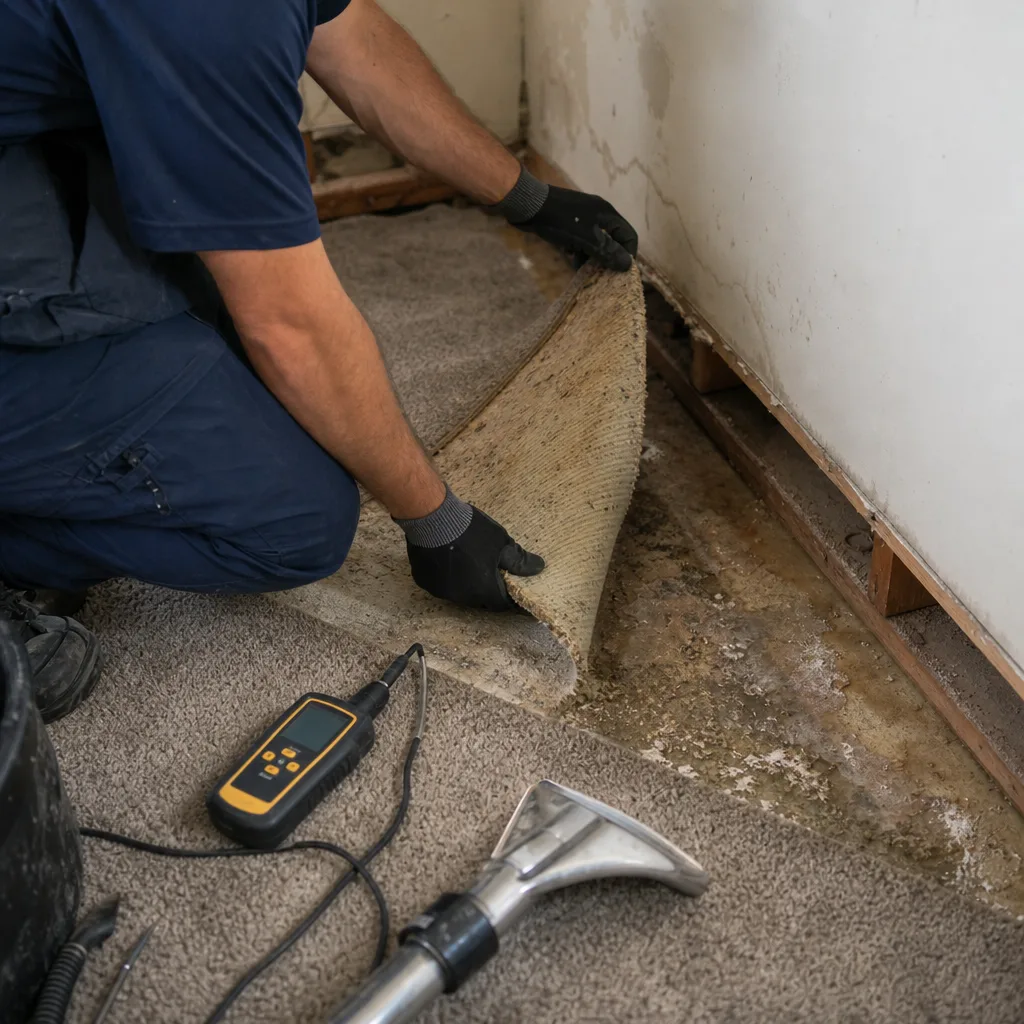
Fire Damage Cleanup
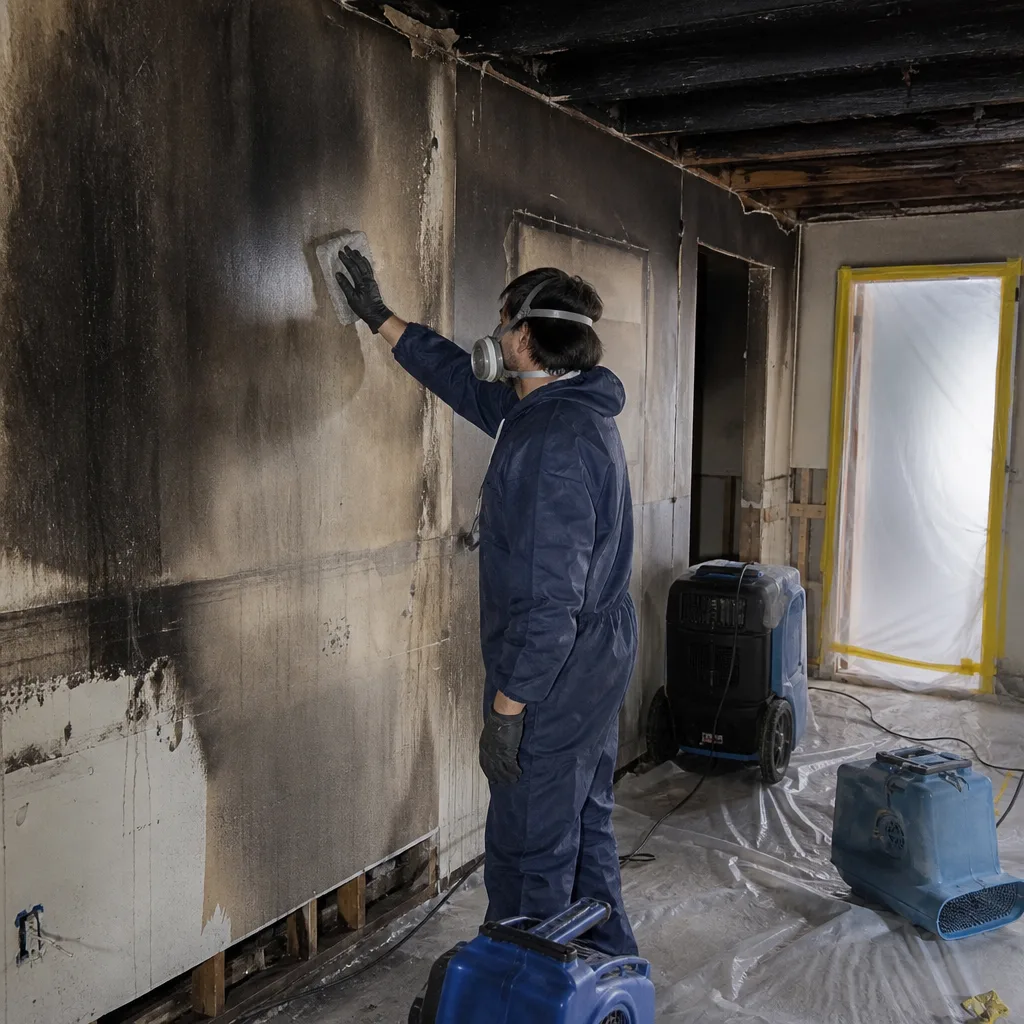
Fire damage cleanup in Centennial Hills starts with structural stabilization and debris removal, then moves to surface cleaning and air quality restoration. In these tightly energy-sealed homes, we establish containment immediately - smoke particles will migrate through HVAC returns into unaffected bedrooms if containment is set wrong, forcing a larger scope than necessary. We document every square foot of affected area with photos before any demolition begins, and we moisture-map the base of exterior walls and slab edges because monsoon water often enters through weep screeds and garage slab gaps, not doors or windows.
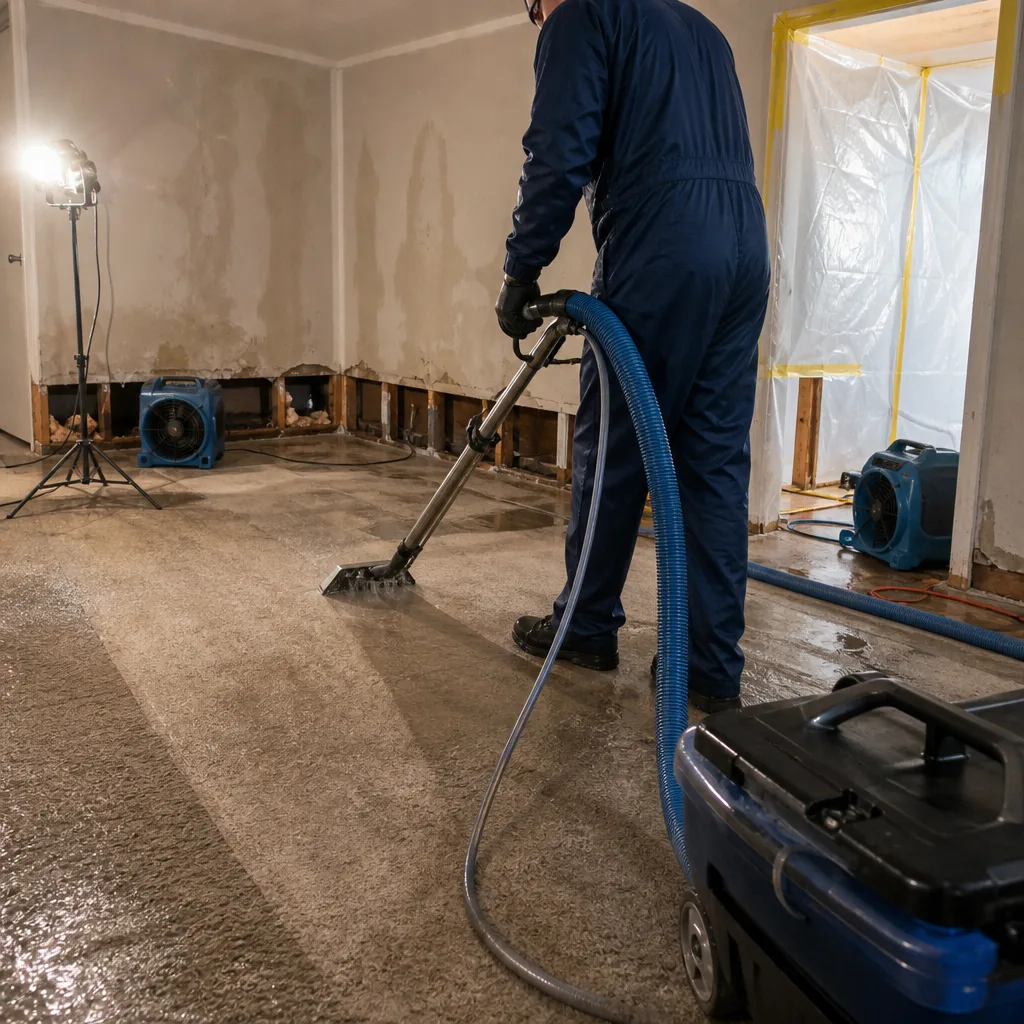
Smoke & Soot Removal
Smoke and soot removal in Centennial Hills requires understanding how these stucco-and-tile homes breathe - or don’t. The energy-sealed construction that keeps summer heat out also traps smoke particles in wall cavities. We use HEPA-filtered air scrubbers and source-removal techniques rather than masking odors. Our technicians are trained to check the multi-valley tile rooflines and stucco hairline cracks common in 2000-2010 track homes; if these aren’t sealed during restoration, monsoon moisture re-activates soot residue months later and the odor returns. We document each phase with photo records and drying logs to IICRC and RIA standards.
Odor Removal & Deodorization
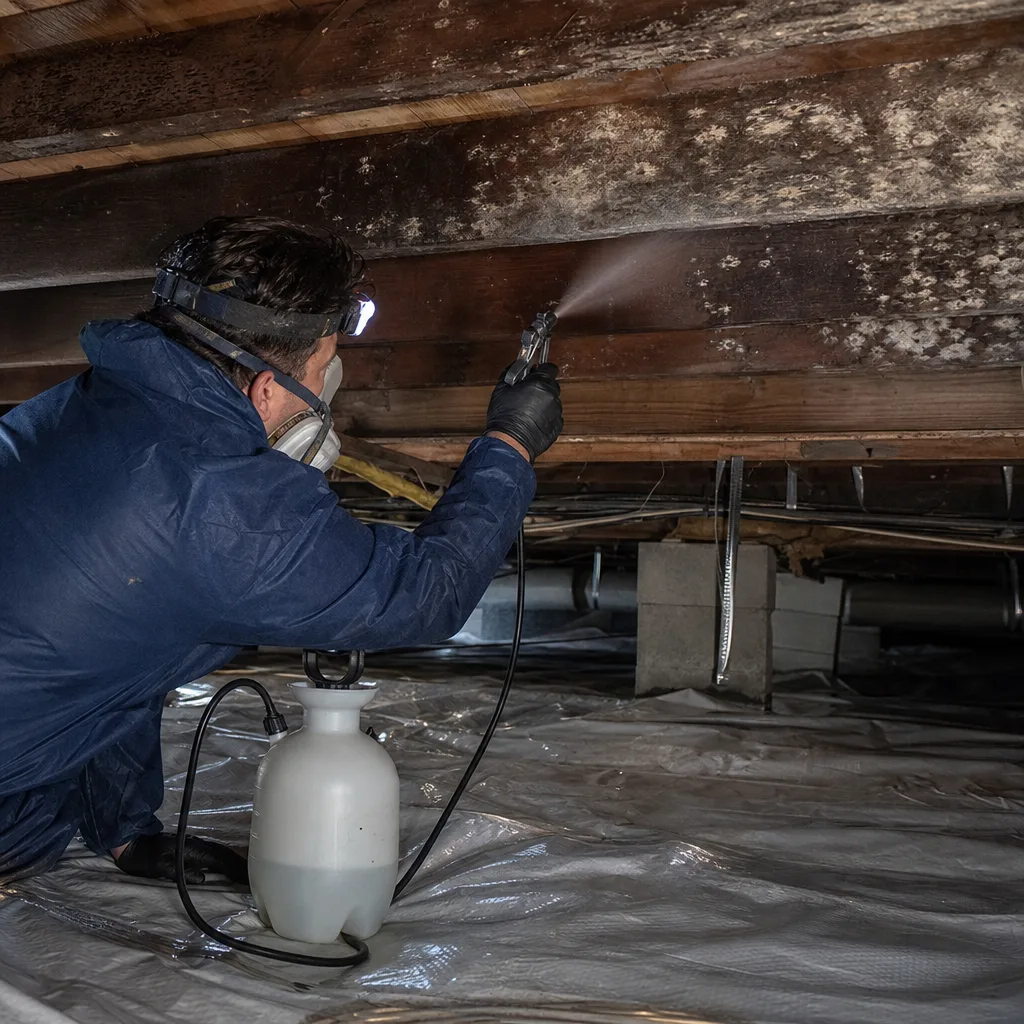
Odor removal in Centennial Hills homes fails when technicians stop at surface cleaning. Soot particles embed in porous materials - drywall, insulation, unfinished wood framing - and thermal fogging or ozone treatment alone won’t reach them. We combine thermal fogging with vapor-phase deodorization and, where necessary, sealant application on structural members. Because these homes are built tight, we also verify HVAC duct cleaning and register sealing to prevent re-circulation. Every deodorization scope includes a written price before work starts and a photo record of treated areas.
Contents Cleaning & Pack-Out
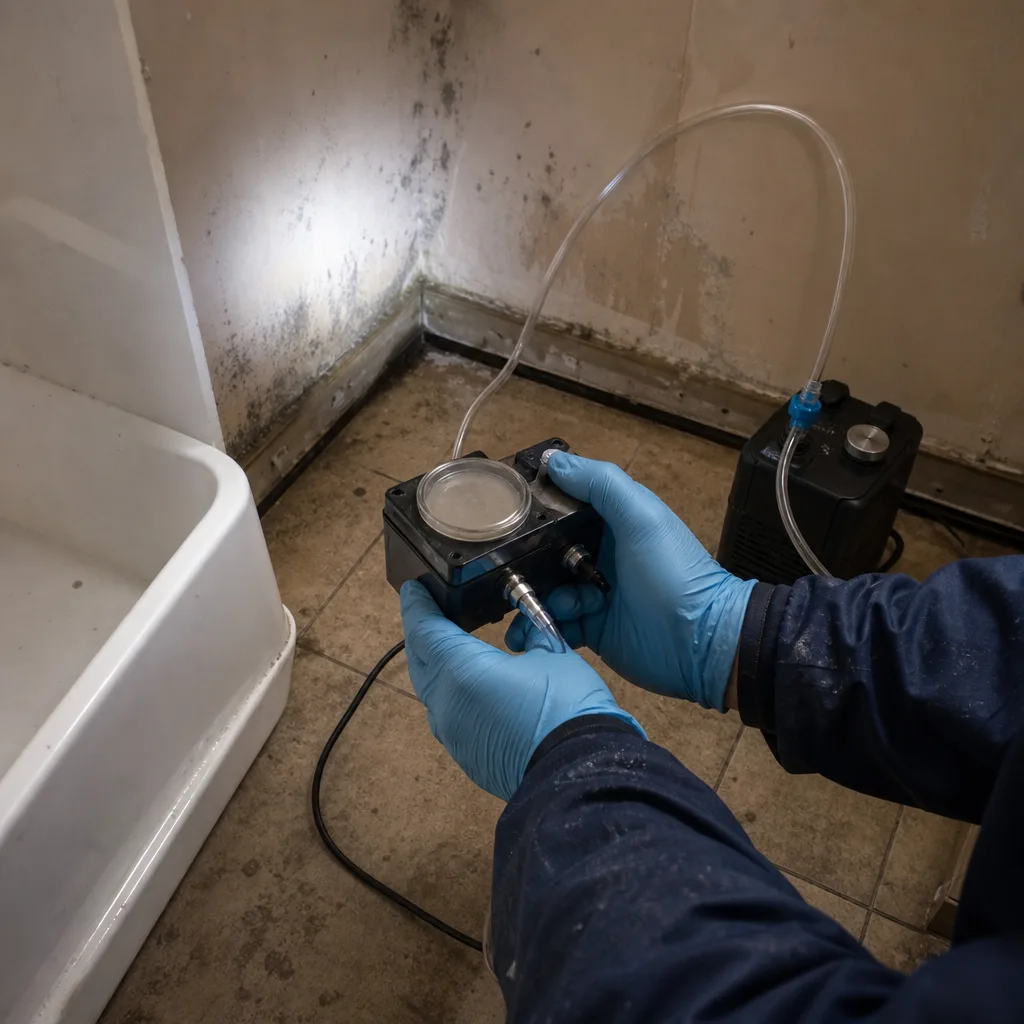
Contents cleaning and pack-out in Centennial Hills often involves larger footprints - these are substantial single-story and two-story homes with accumulated household goods. We inventory, photograph, and clean salvageable items on-site or at our facility using ultrasonic cleaning for non-porous items and specialized deodorization for textiles. Items are stored in a climate-controlled environment until structural restoration is complete. Our pack-out documentation includes itemized lists with photos, provided to you and your adjuster, so nothing disappears into a vague “contents” line item.
Emergency Board-Up & Tarping
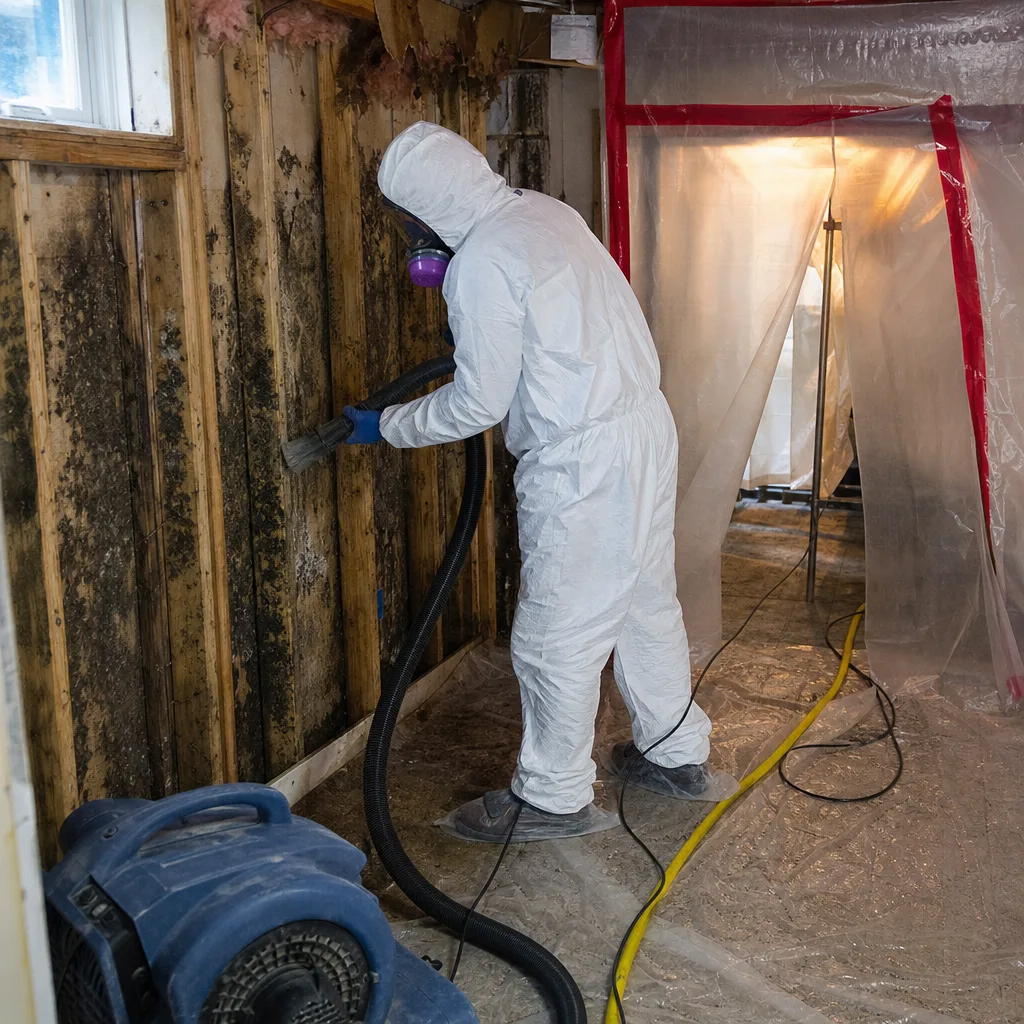
Emergency board-up and tarping in Centennial Hills must account for the multi-valley tile rooflines that make simple tarping insufficient. Water backs up under tiles where valleys collect debris, so we secure roof openings with methods that protect against both weather intrusion and the wind that accelerates through the northwest valley. Board-up includes security considerations for homes in all Centennial Hills neighborhoods, with materials and methods documented in your photo record.
Structural Fire Repair
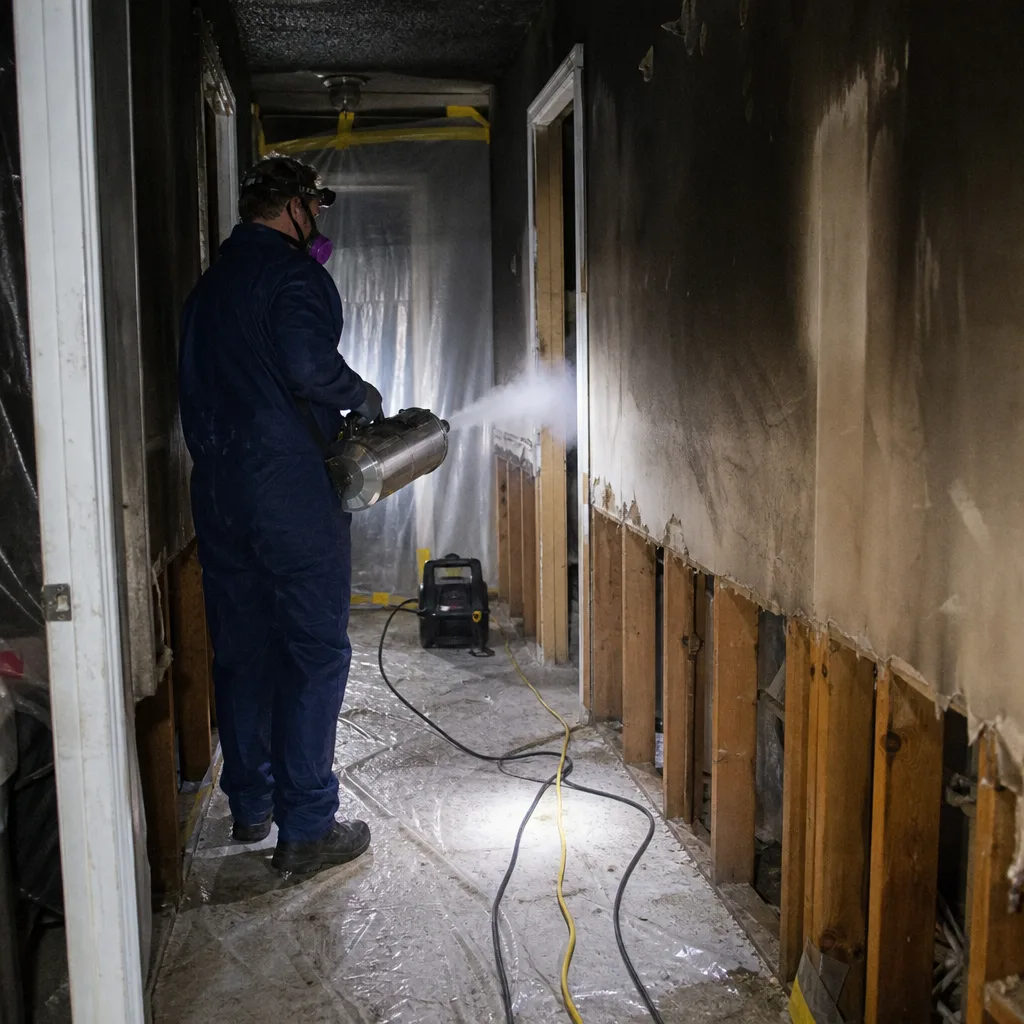
Structural fire repair in Centennial Hills addresses the specific failure modes of 2000s stucco construction: thermal cycling damage to exterior envelopes, caliche-driven moisture intrusion at slab edges, and the interaction between fire suppression water and energy-sealed wall cavities. We scope structural repairs with written prices before demolition, coordinate with your adjuster on code-upgrade requirements, and document every phase to IFA standards.
What happens when you call
- 1
A real person answersNo phone trees - you reach a local pro.
- 2
You get an upfront price rangeHonest numbers before anyone is dispatched.
- 3
A background-checked tech heads outLicensed & insured, dispatched right away.
- 4
You approve before work beginsNothing starts until you say go.
Trusted Brands We Service in Centennial Hills
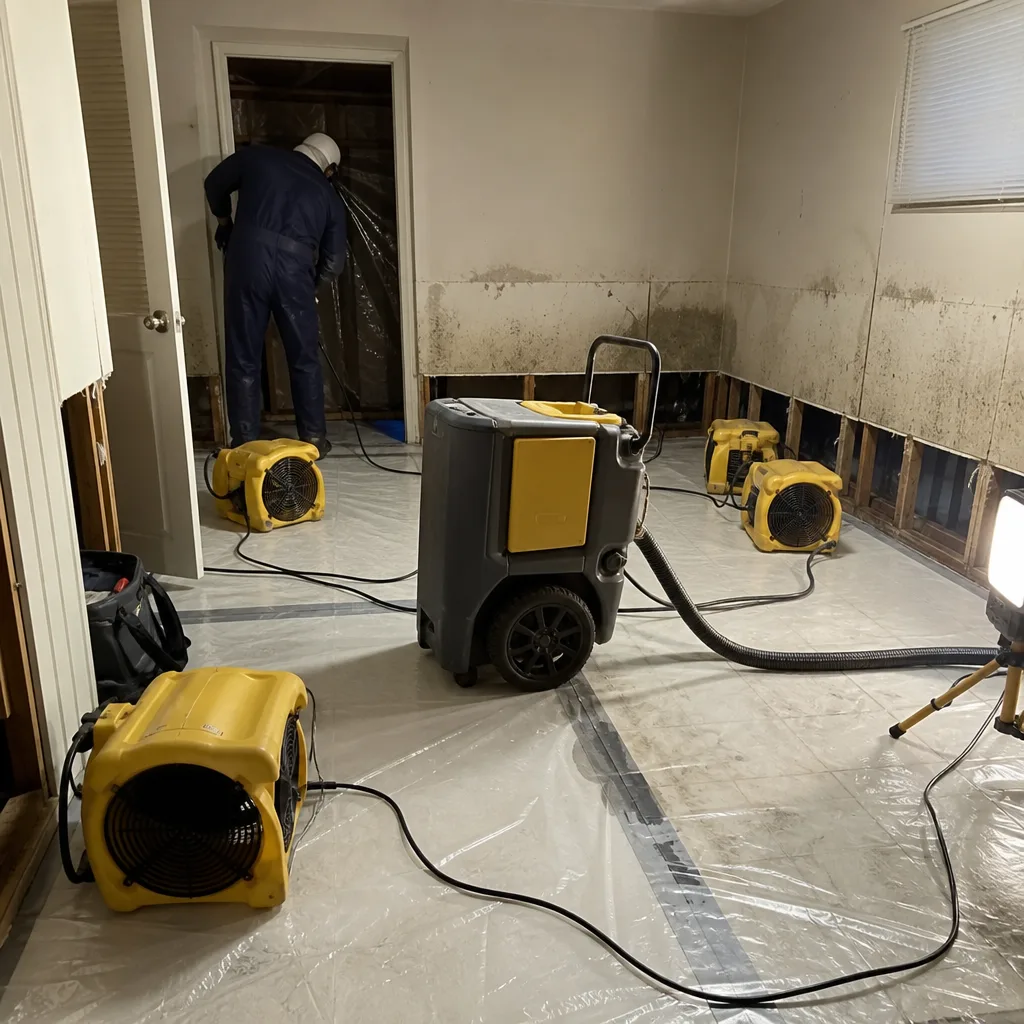
Our equipment inventory includes professional-grade drying and air quality systems from Dri-Eaz, Phoenix, XPOWER, B-Air, and Injectidry - brands specified by major insurers for documented restoration work. We maintain local stock of HEPA filtration media, antimicrobial treatments, and vapor-phase deodorization compounds so Centennial Hills jobs aren’t delayed waiting for supply shipments. Our Injectidry systems allow targeted drying inside wall cavities without full demolition, particularly valuable in these energy-sealed homes where opening the envelope changes the drying equation. All equipment deployment is logged with serial numbers and run-time hours in your daily drying documentation.
Common Fire & Smoke Damage Restoration Problems We See in Centennial Hills Homes
- Smoke odor re-emerges months after restoration. Technicians skip sealing the multi-valley tile roof and stucco hairline cracks common in 2000-2010 Centennial Hills track homes. Monsoon moisture enters through these gaps, re-activating soot residue in wall cavities that was never fully removed.
- Hidden Category 3 water goes undetected behind fire-damaged walls. Crews assume water came through doors or windows and fail to moisture-map the base of exterior walls and slab edges. Flash-flood water enters through weep screeds and garage slab gaps in this caliche-underlain terrain, not the obvious entry points.
- Smoke contamination spreads to unaffected areas through HVAC systems. Because these homes are tightly energy-sealed, incorrect containment allows smoke particles to migrate through returns into bedrooms that never saw flame. The result is an unnecessarily large pack-out and content cleaning scope.
- Corroded plumbing fails during or after fire suppression. Las Vegas’s extremely hard municipal water accelerates corrosion in copper lines. A fire that triggers sprinkler activation or fire department response may also reveal pinhole leaks that continue causing damage after the fire is out.
Pricing for Fire & Smoke Damage Restoration in Centennial Hills, NV
Smoke and soot removal for a single affected room in Centennial Hills typically runs $3,200-$5,800. Multi-room smoke damage with odor deodorization and contents cleaning ranges $8,500-$18,000. Full-structure fire restoration with structural repair starts around $25,000 and can exceed $75,000 for substantial two-story homes with roof and framing involvement.
What moves the number: square footage affected, smoke penetration depth into energy-sealed cavities, whether monsoon water intrusion requires additional drying, contents volume for pack-out, and structural elements needing replacement. We deliver a written price before any work begins - Haven Standard, Clause 1 - with no scope-creep additions once our crew is inside. Bring a competitor’s written estimate and we’ll review it free: our Second Opinion service.
Insurance direct billing is standard. We photo-document every phase and coordinate with your adjuster so the claim matches the work. Call (702) 430-2725 for a written estimate at no charge.
We Also Serve Cities Near Centennial Hills
Our Fire & Smoke Damage Restoration in Centennial Hills crews also respond to fire and smoke damage throughout Spring Valley, Summerlin South, Enterprise, and Summerlin. Dispatch and scheduling are coordinated from our Las Vegas office, with local crews serving each community’s specific housing stock and conditions.
Serving Centennial Hills, NV - Our Local Coverage Area
We’re based in the Centennial Hills area and know this community well. Use the map below to see our service coverage - if you’re nearby, we can almost certainly help.
FAQs - Fire & Smoke Damage Restoration in Centennial Hills
Centennial Hills homes built in the 2000s were constructed with energy-sealed envelopes for extreme heat efficiency, which traps smoke particles inside wall cavities instead of allowing natural air exchange. Older homes breathe; these don’t. That tight construction means smoke travels farther through HVAC systems and lingers in porous materials. We address this with aggressive containment, cavity-specific air scrubbing, and sealant application on structural members that older-home technicians might skip. Call (702) 430-2725 for a scope that accounts for your home’s construction era.
Yes. The caliche hardpan beneath Centennial Hills prevents water absorption and funnels monsoon runoff through desert washes directly into homes along drainage corridors. Fire suppression water, sprinkler activation, or post-fire rain events can enter through low-clearance stucco weep screeds and garage slab gaps - not doors or windows. We moisture-map these specific entry points on every Centennial Hills fire job. Missing this hidden water means Category 3 contamination behind walls and mold growth within 48-72 hours in these tightly sealed homes. Call (702) 430-2725 - we check what other crews overlook.
In Centennial Hills’s energy-sealed stucco homes with summer temperatures above 110°F, mold can establish active growth in 48-72 hours after water intrusion. The thermal mass of these homes creates humidity pockets in wall cavities that don’t dry without mechanical intervention. Our fire restoration protocol includes immediate moisture mapping and, where readings exceed 16% wood moisture content, deployment of Injectidry cavity drying systems alongside fire damage cleanup. Daily drying logs document progress to IICRC standards. Call (702) 430-2725 - speed matters for both fire and mold outcomes.
A typical two-story stucco home in Centennial Hills requires: emergency board-up and roof securing (accounting for multi-valley tile complexity); containment establishment with HVAC isolation to prevent smoke migration; moisture mapping at exterior wall bases and slab edges for hidden water; smoke and soot removal with HEPA air scrubbing; odor deodorization with thermal fogging and vapor-phase treatment; contents pack-out with photo inventory; structural repair with written scope; and final documentation with drying logs and photo record. We were called to a two-story stucco home near the Tule Springs area after a kitchen fire on the first floor. Smoke had traveled through the energy-sealed wall cavities, so we set up containment and ran XPOWER air movers with HEPA filtration while our tech used a Dri-Eaz moisture meter along the base of the exterior wall - that’s where we found hidden Category 3 water intrusion from a monsoon downpour that had entered through a weep screed, not the fire itself. After smoke and soot removal with antimicrobial treatment on the framing, we documented drying logs and returned the home to pre-loss condition. Call (702) 430-2725 for a written scope on your home.
Most standard homeowner’s policies cover water damage that results from fire suppression efforts, including hidden water discovered during restoration, provided the damage is documented and tied to the covered fire loss. The key is documentation: photo records, moisture readings, and written scopes that connect the water damage to the fire event rather than to pre-existing conditions or monsoon flooding alone. We coordinate directly with adjusters, provide the documentation package that supports coverage, and offer a Free Second Opinion if your insurer disputes scope. Call (702) 430-2725 - we’ll review your policy and loss documentation at no charge.
Written by Alicia Brennan, Owner at Back to Dry Restoration, serving Centennial Hills since 2011 under The Haven Standard.