
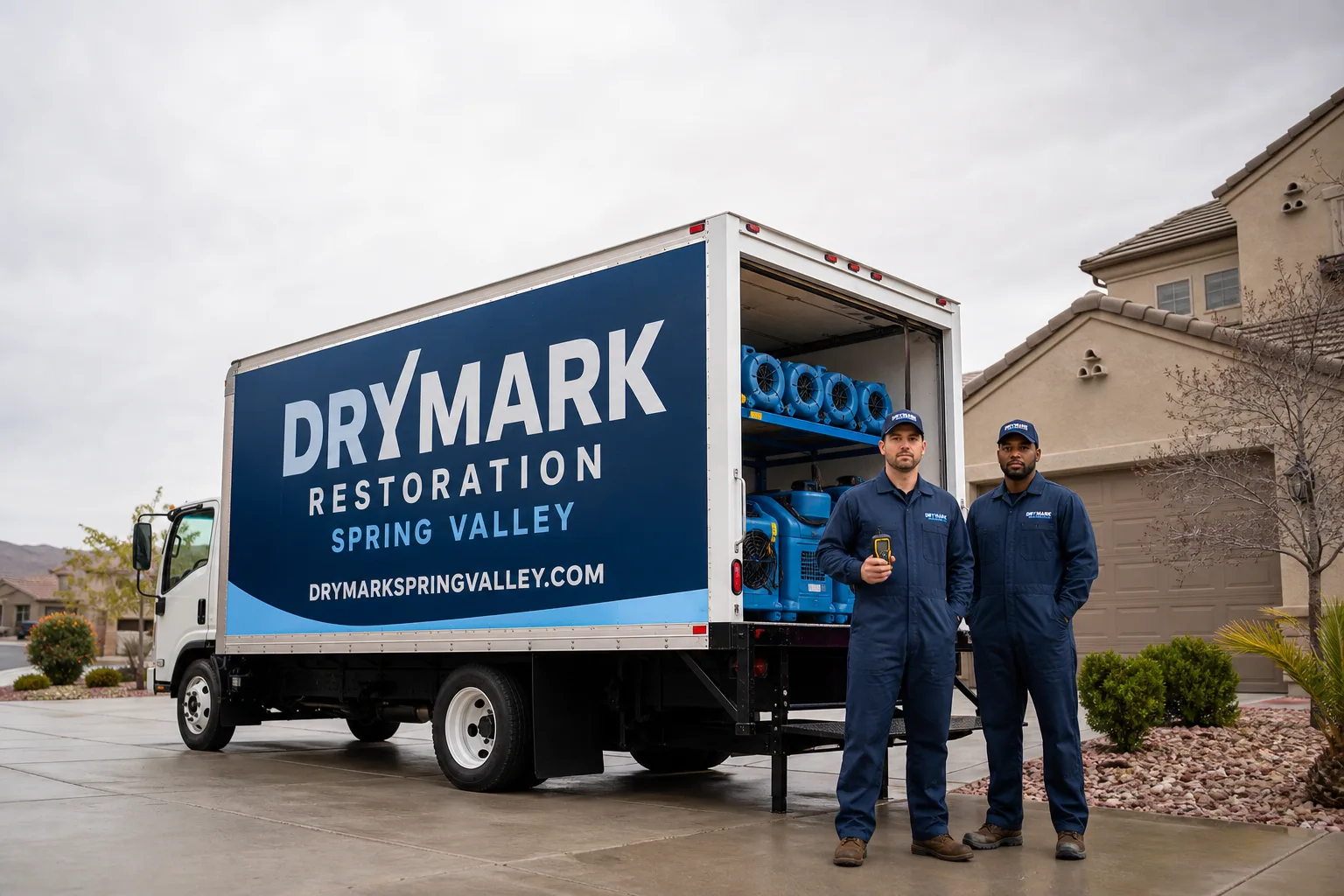
Free visual inspection and a written scope of work before any mitigation begins - photos, moisture readings, and drying logs go in your claim file
The scope we write is the scope we bill. Anything new gets shown to you, in writing, before we touch it.
Fast, Reliable Water Damage Restoration Across Centennial Hills
Water damage restoration in Centennial Hills, NV typically costs $2,800-$7,500 for a standard residential drying job, with emergency water extraction starting at $1,200-$2,400 and full structural drying running $180-$340 per affected room. Most Centennial Hills homeowners see our crew on-site within 45-60 minutes of calling (702) 430-2725, because we dispatch from our Las Vegas office and know the northwest valley corridor well. If you’re standing in water right now, call us - we’ll answer live, 24 hours a day, and we’ll have a written price in your hands before any equipment starts running.
Centennial Hills isn’t like other Las Vegas Valley communities. The homes here sit on former Mojave Desert terrain underlain by caliche hardpan, a dense mineral layer that won’t absorb water. When July-September monsoons hit, that runoff concentrates through desert washes and drainage corridors and pushes straight into homes through paths a rain-climate technician wouldn’t expect. We’ve restored water damage in Centennial Hills since 2011, and our documentation-first approach - written price before work starts, photo record on every visit, daily drying logs - was built specifically for the claims battles that follow when water hides in wall cavities and insurers question whether the damage was really there.
Why DryMark Restoration Spring Valley Is Centennial Hills’s Preferred Water Damage Restoration Company
We’ve restored 12,000+ homes since 2011, every one with a written price before work started and a documented record when the crew left. That matters in Centennial Hills, where the tight, energy-sealed stucco tracts built during the mid-2000s housing boom trap moisture in ways that older, more breathable construction doesn’t. Homeowners here research before they call - they read the three-star reviews, they want to see pricing, and they measure trust by what we can show them. We show them daily moisture readings, photo-documented assessments, and a drying log that turns a restoration invoice into a claim an adjuster pays without a fight.
Our response time to Centennial Hills averages 45-60 minutes from call to on-site. We know the Durango Drive corridor, the homes near the Centennial Hills wash, and the stucco-and-tile tracts off Elkhorn Road where monsoon runoff pools against garage slabs. Our technicians are background-checked, uniformed, and licensed - named and verified before they arrive. Live person answers every call, 24 hours a day, 7 days a week. No voicemail trees while water is still moving.
Alicia Brennan founded Back to Dry Restoration in 2011 after working as a claims adjuster and watching homeowners lose legitimate claims to documentation gaps. That origin shapes every Centennial Hills job we run: we don’t sell reassurance, we sell evidence. A written price before work begins. A photo record on every visit. And the 365-Day Done Right Promise, backed by The Haven Standard, stamped on every job - not a marketing line, a signed guarantee.
Our Water Damage Restoration Services in Centennial Hills
Emergency Water Extraction
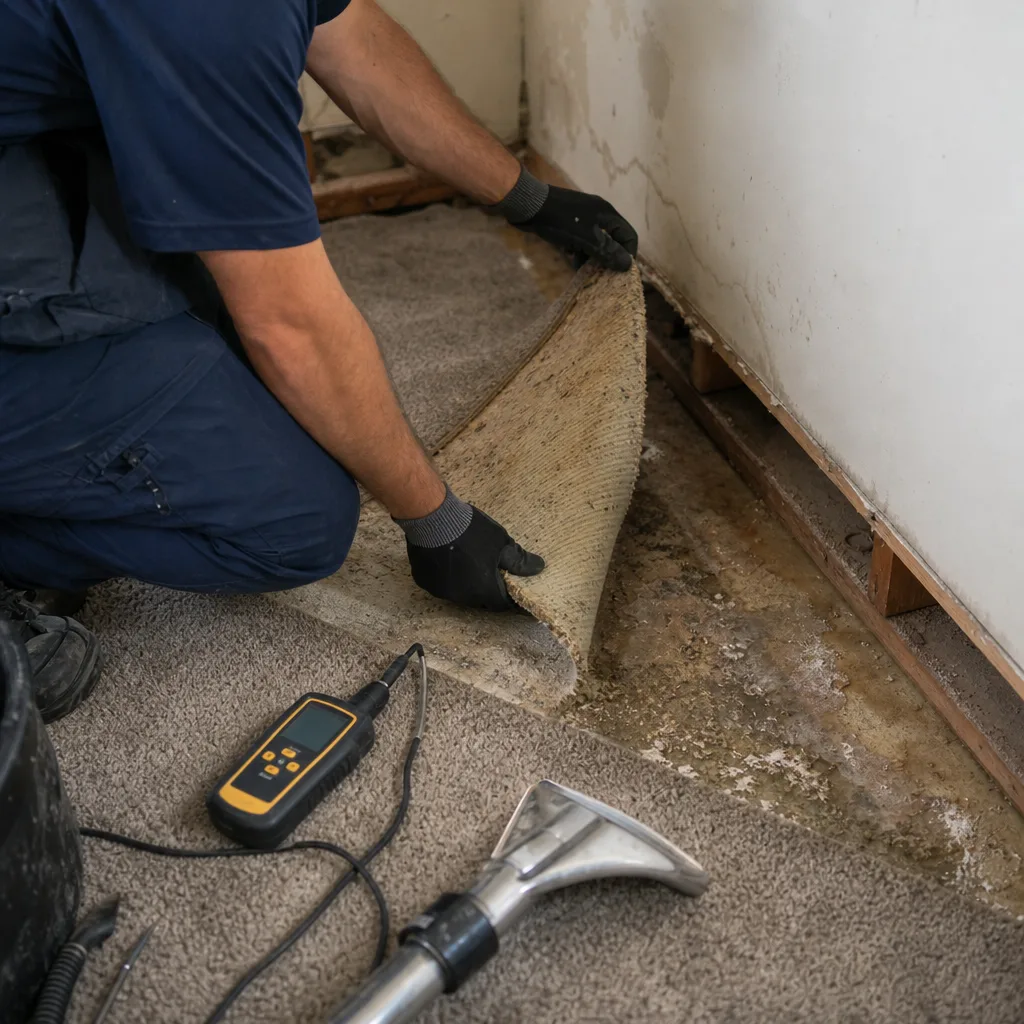
When monsoon water pushes through your garage slab gap or weep screeds at 2 a.m., we extract it before it reaches your drywall. Our truck-mounted extraction systems pull standing water from carpet, tile, and concrete substrates, then we map moisture at the base of every exterior wall and slab edge - the entry points that matter in Centennial Hills, not just the obvious interior pools. Typical emergency water extraction in Centennial Hills runs $1,200-$2,400 depending on square footage and contamination level. We answer live at (702) 430-2725, and we’ll have a crew moving within the hour.
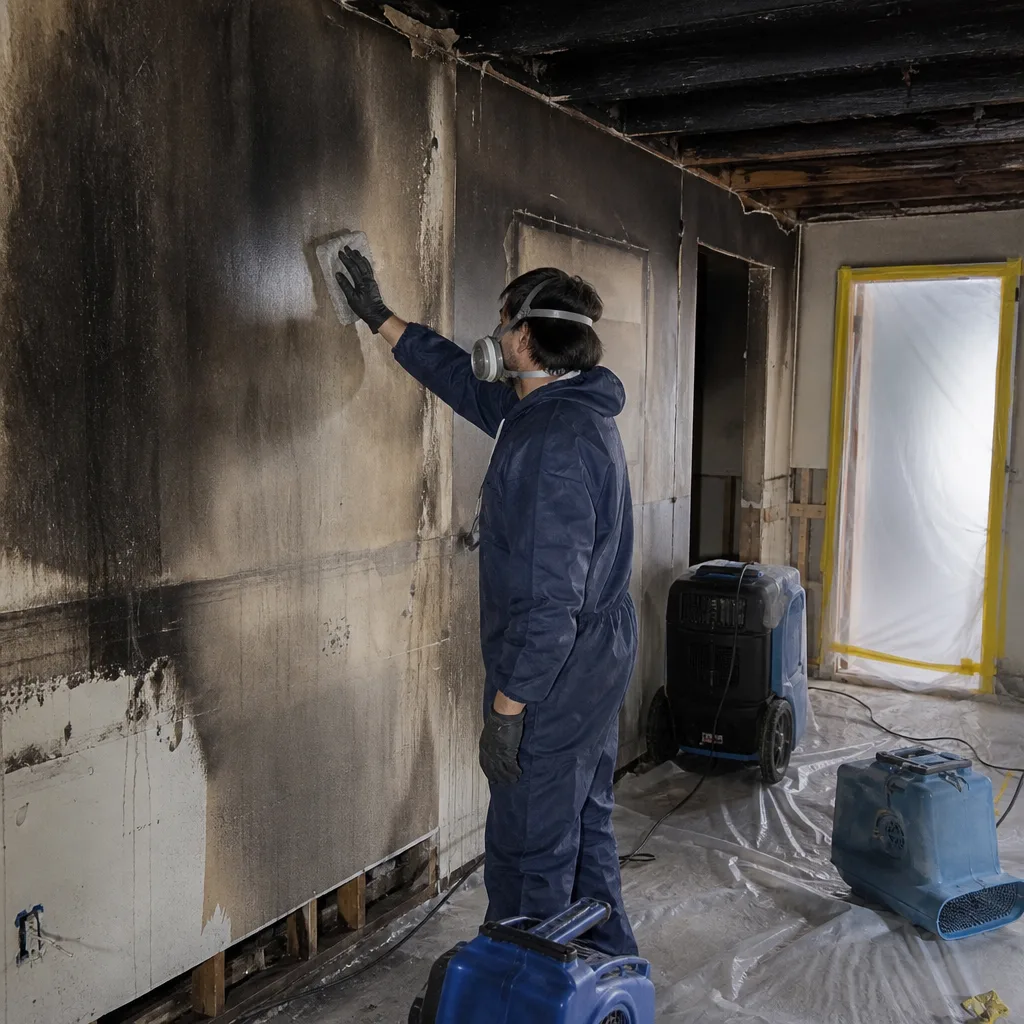
Structural Drying & Dehumidification
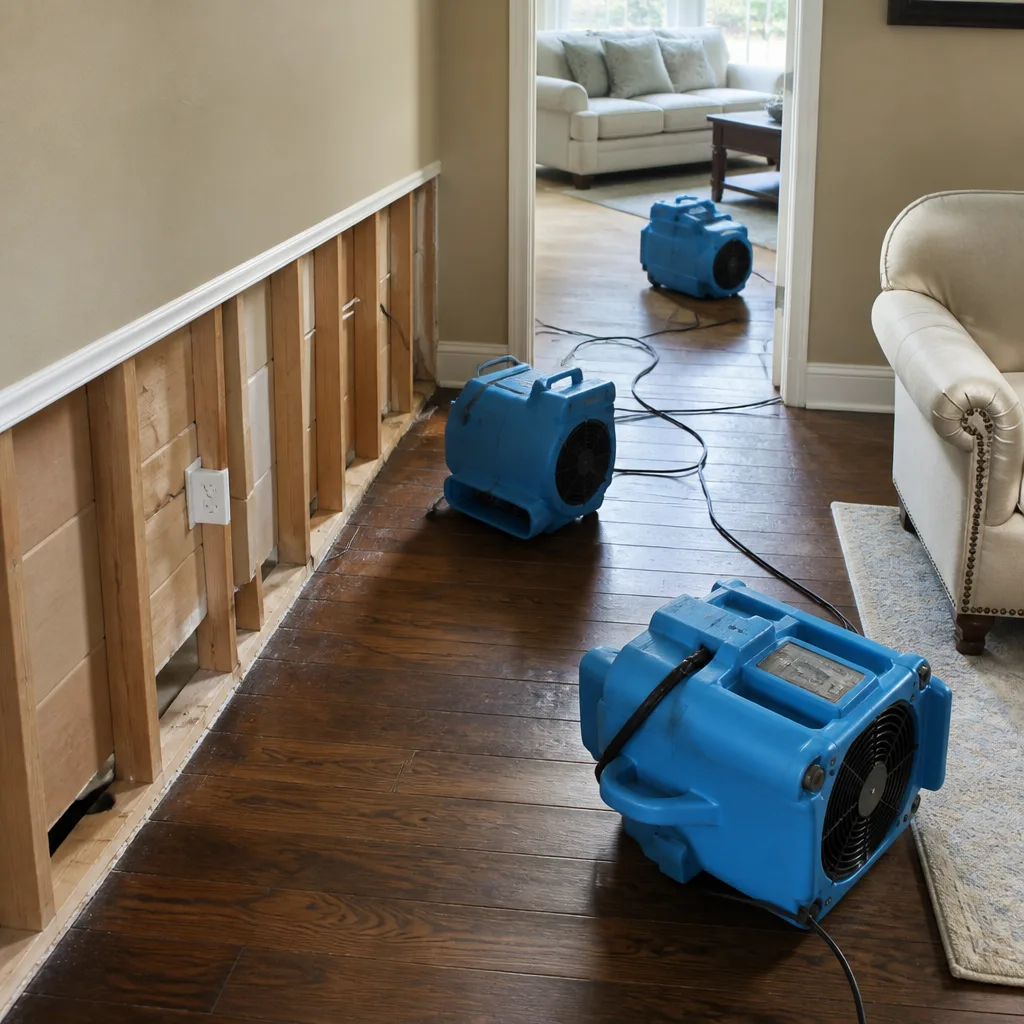
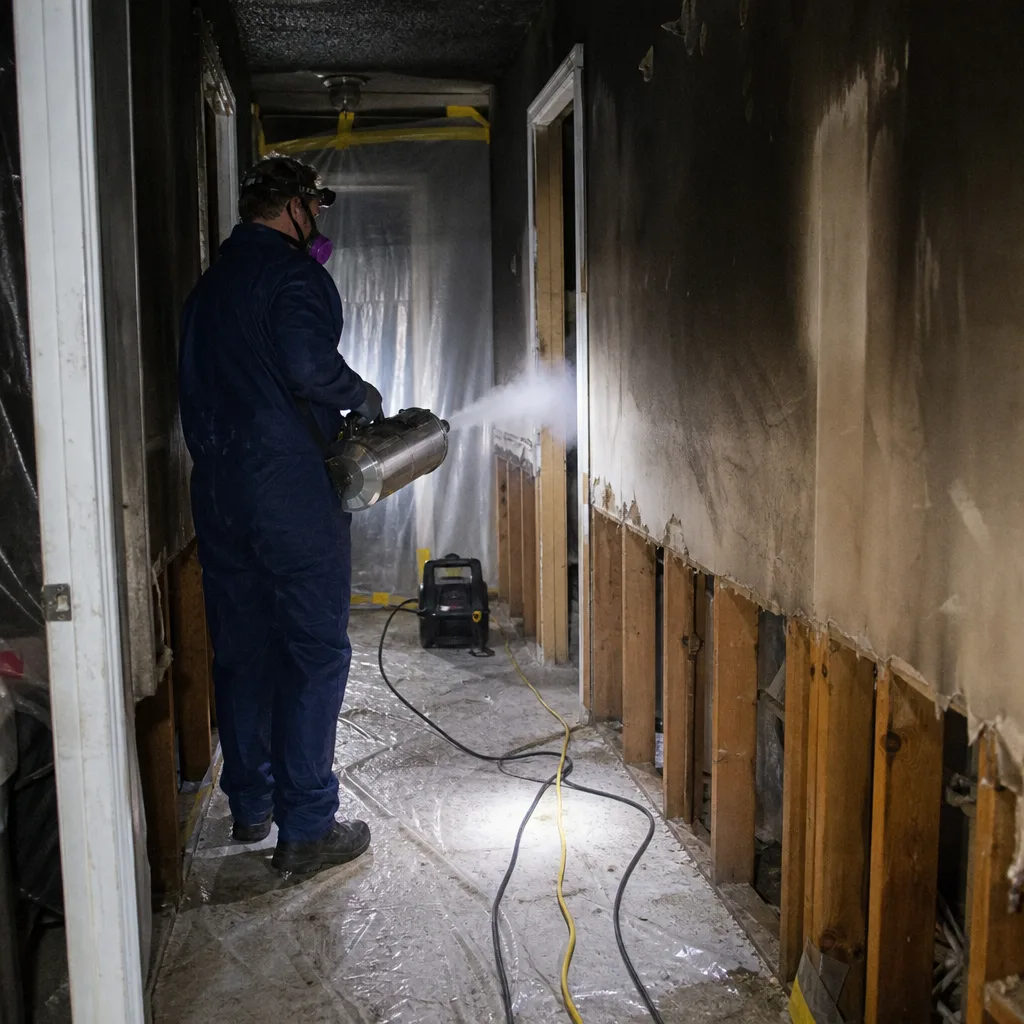
Centennial Hills’s 2000-2010 stucco tracts are built tight for 110°F summers, which means zero breathability once water gets inside wall cavities. We deploy Dri-Eaz and Phoenix dehumidifiers with Injectidry cavity-drying systems to create vapor pressure differentials that pull moisture from inside walls, not just the air. Psychrometric data - temperature, relative humidity, and specific humidity readings - gets logged daily and delivered with your photo record. Standard structural drying for a 3-bedroom Centennial Hills home runs $2,800-$4,800 for 3-5 days of monitored drying. We don’t guess when it’s dry; we measure to IICRC and RIA standards and prove it.
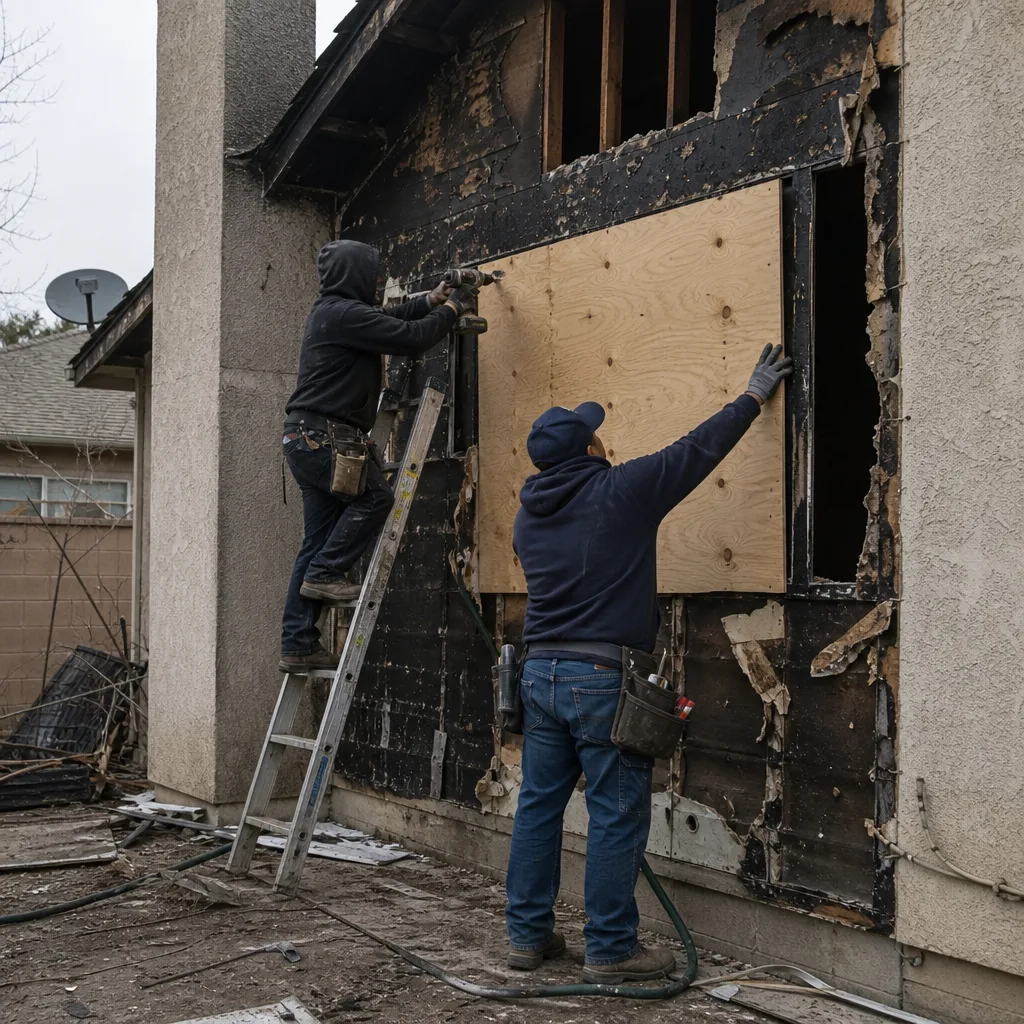
Flood Cleanup
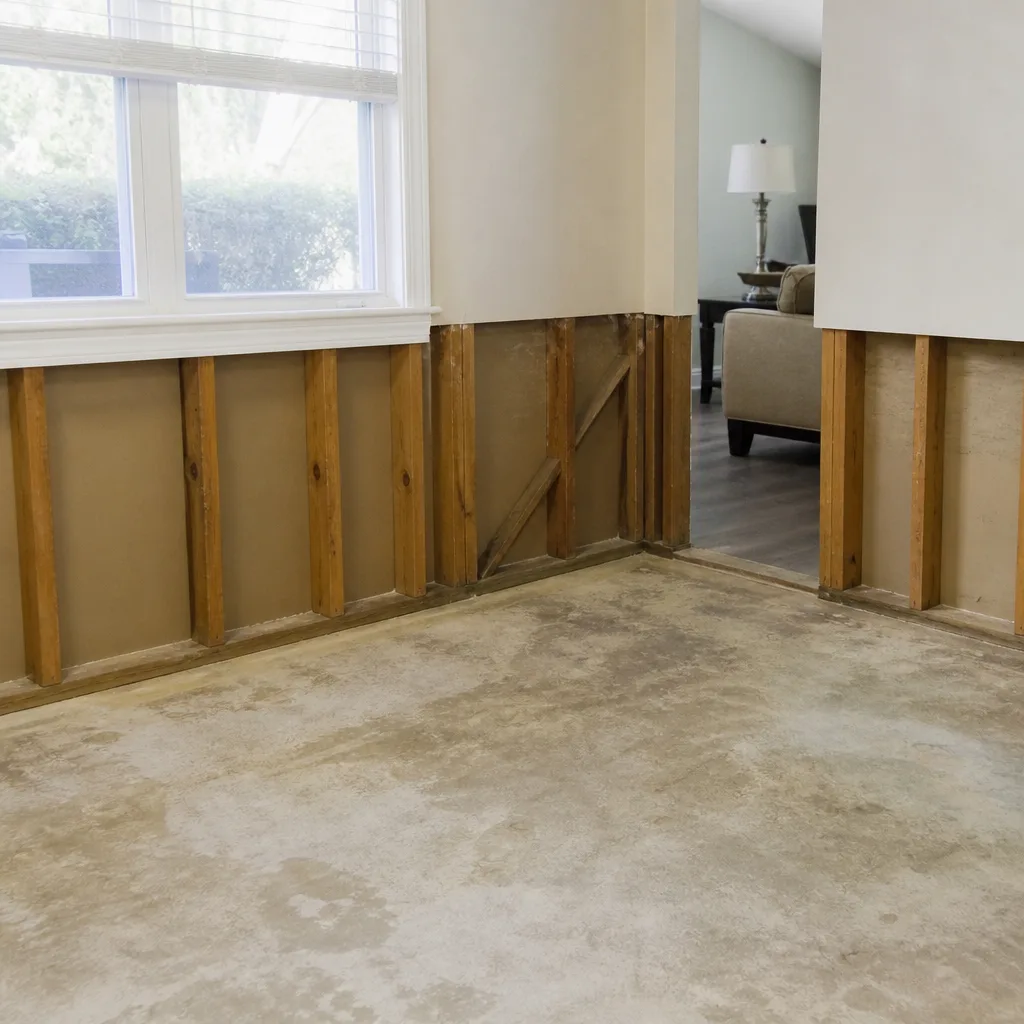
Flash flood cleanup in Centennial Hills means sediment-laden water, often category 2 or 3, that enters through paths rain-climate techs miss. On a two-story stucco-and-tile tract home off Durango Drive near the Centennial Hills wash, our crew responded to a July monsoon intrusion where storm water had pushed through the garage slab gap and weep screeds on the west wall. Before touching anything we pulled moisture readings along the base of every exterior wall and slab edge, then set Dri-Eaz air movers and Phoenix dehumidifiers for structural drying; the garage and first-floor hallway read saturated even though no water had come near a door or window. We logged drying logs daily and completed the exterior-wall moisture map before sign-off. Flood cleanup with contamination handling in Centennial Hills typically runs $3,500-$7,500.
Burst Pipe Restoration
Las Vegas’s extremely hard municipal water - among the hardest in the US, sourced from Lake Mead - accelerates corrosion and pinhole failures in copper and appliance supply lines. This is a year-round Centennial Hills problem, independent of monsoon season. We extract, dry, and document burst pipe damage with the same photo-record and written-scope discipline we apply to flood jobs, plus direct coordination with your adjuster on the plumbing repair scope. Burst pipe restoration in Centennial Hills averages $2,400-$5,200 depending on how many rooms the water crossed before you caught it.
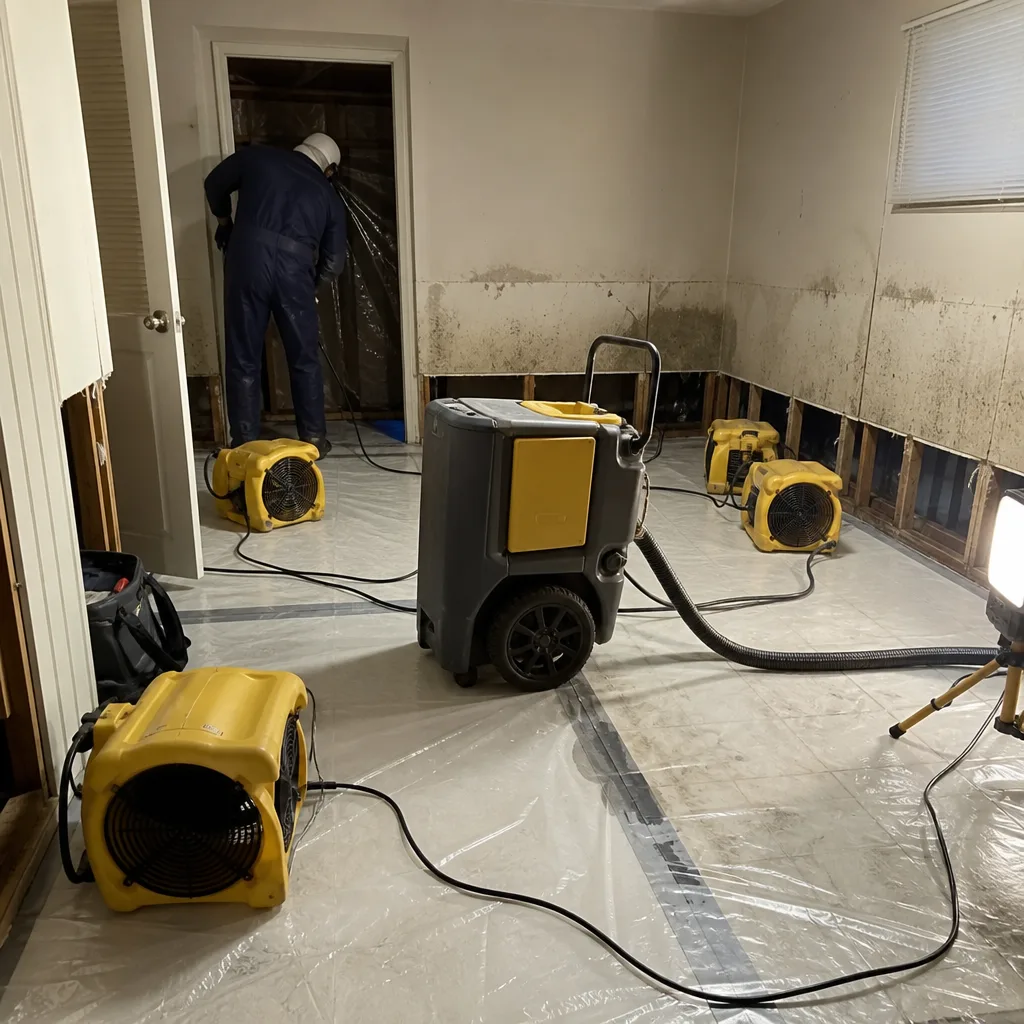
Ceiling & Roof Leak Water Damage
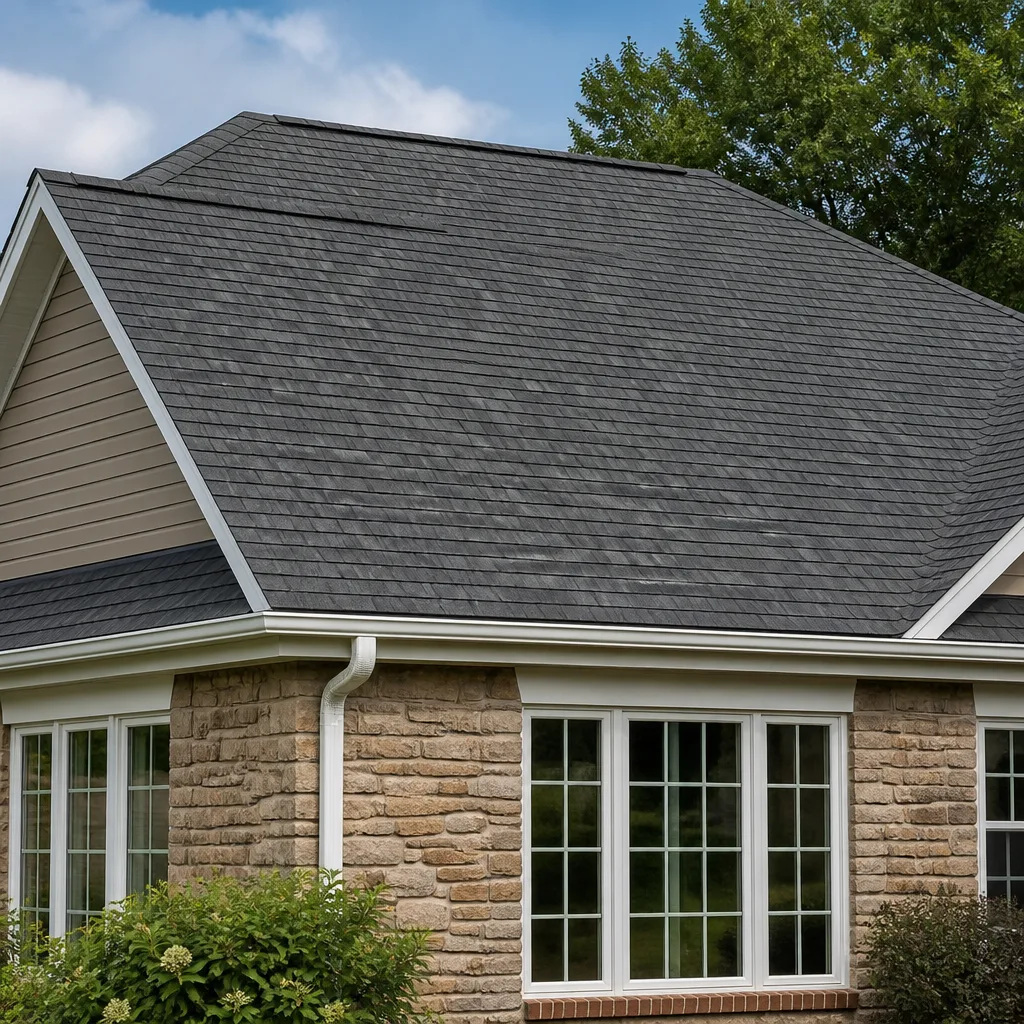
The complex multi-valley concrete tile rooflines common in Centennial Hills’s 2000s designs accumulate debris and allow water to back up under tiles - an overlooked source of interior water damage. Original stucco hairline cracks from extreme thermal cycling (summer highs above 110°F, rapid overnight cooling) compound the problem. We don’t stop drying at the ceiling plane; we moisture-map the roofline source and document whether the leak is active or historical before we write the scope. Ceiling and roof leak damage restoration in Centennial Hills typically runs $2,200-$4,800.
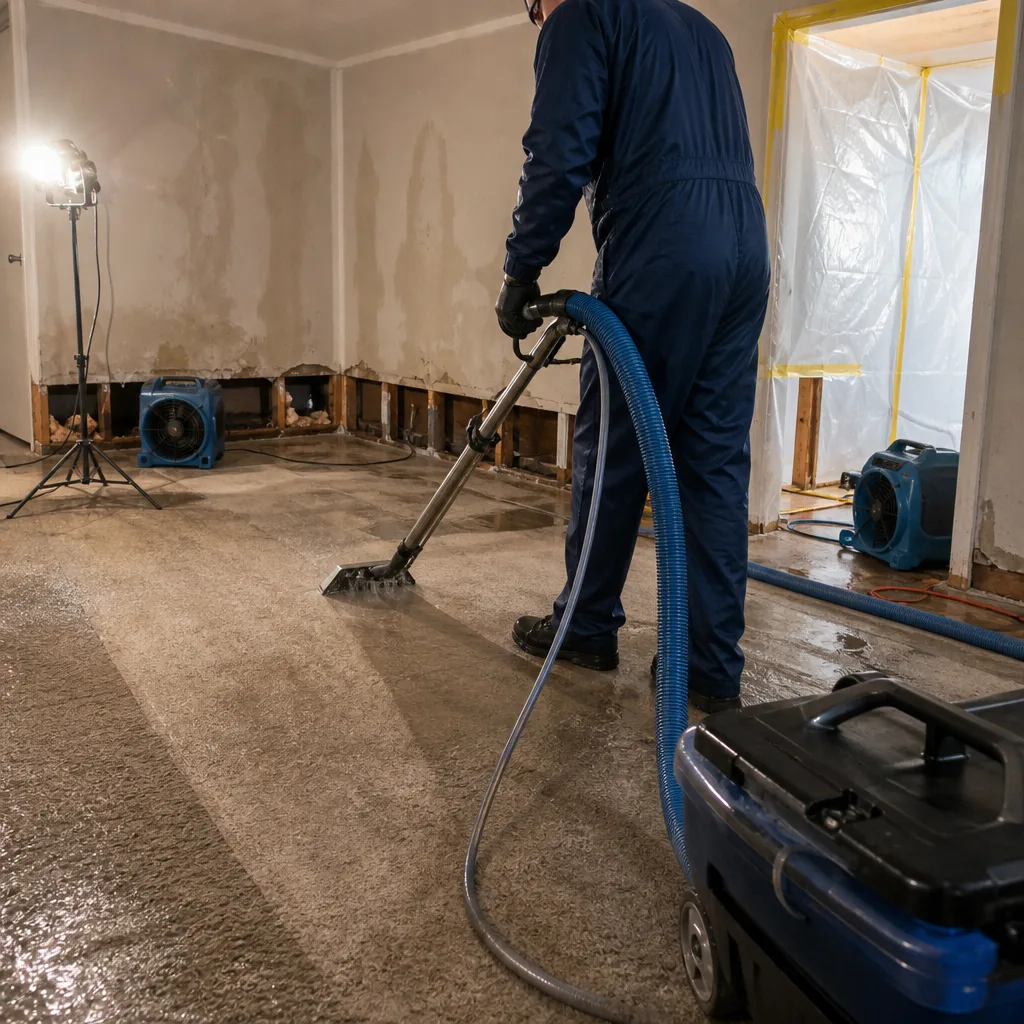
What happens when you call
- 1
A real person answersNo phone trees - you reach a local pro.
- 2
You get an upfront price rangeHonest numbers before anyone is dispatched.
- 3
A background-checked tech heads outLicensed & insured, dispatched right away.
- 4
You approve before work beginsNothing starts until you say go.
Trusted Equipment & Standards We Deploy in Centennial Hills
Our drying systems come from Dri-Eaz, Phoenix, and B-Air - professional-grade equipment documented to IICRC, RIA, and IFA standards. We stock Injectidry cavity-drying panels locally for Centennial Hills jobs, which matters when you’re racing the 24-48 hour mold clock in these energy-sealed homes. Every machine placement gets photographed, every daily moisture reading gets logged, and every log gets delivered with your final documentation package. This isn’t extra - it’s standard under The Haven Standard, and it’s why insurers pay our invoices without the back-and-forth that delays other companies’ claims.
Common Water Damage Restoration Problems We See in Centennial Hills Homes
- Garage slab gap intrusion during monsoons. Caliche hardpan prevents absorption, so runoff funnels through desert washes and pushes sediment-laden water straight through garage slab gaps and low-clearance stucco weep screeds - not doors or windows. Moisture mapping must include every exterior wall base and slab edge.
- Hidden mold in energy-sealed wall cavities. These 2000-2010 stucco tracts were built for heat efficiency, not breathability. Wet drywall inside a sealed wall cavity hits active mold growth in 24-48 hours, a far more compressed timeline than in cooler, older housing markets.
- Water backing up under complex tile rooflines. Multi-valley concrete tile designs trap debris and allow capillary water intrusion through cracked or displaced tiles. The damage shows at the ceiling, but the source is 10 feet higher and requires roofline moisture mapping to confirm.
- Pinhole copper failures from hard water. Lake Mead’s mineral-heavy supply corrodes copper from the inside, producing slow leaks inside walls that homeowners discover only when the drywall bubbles or the baseboard swells. These jobs often involve secondary mold by the time we arrive.
Pricing for Water Damage Restoration in Centennial Hills, NV
We publish ranges because Haven Standard, Clause 1 requires a written price before work starts - and that price can’t appear out of thin air. Here’s what water damage restoration costs in the Centennial Hills market:
| Service | Typical Range in Centennial Hills |
|---|---|
| Emergency water extraction | $1,200 - $2,400 |
| Structural drying & dehumidification (per room) | $180 - $340 |
| Full residential drying job (3-5 days monitored) | $2,800 - $7,500 |
| Category 2-3 flood cleanup with contamination handling | $3,500 - $7,500 |
| Ceiling/roof leak damage restoration | $2,200 - $4,800 |
| Burst pipe restoration | $2,400 - $5,200 |
What moves your job within these ranges: square footage affected, contamination category (clean water vs. sediment-laden flash flood vs. sewage), whether demolition is required to access wet cavities, and how many days of monitored drying the structural drying log demands. We deliver your written price before anyone starts work - no scope-creep additions once the crew is inside. Bring a competitor’s written estimate and we’ll review it free under our Free Second Opinion policy. Call (702) 430-2725 for your exact quote; estimates are free.
We Also Serve Cities Near Centennial Hills
Our Water Damage Restoration crews work throughout the northwest Las Vegas Valley, including Centennial Hills, Spring Valley, Summerlin South, Enterprise, and Summerlin. Dispatch and scheduling are coordinated from our Las Vegas office; crews serve Centennial Hills locally with the same 45-60 minute response window.
Serving Centennial Hills, NV - Our Local Coverage Area
We’re based in the Centennial Hills area and know this community well. Use the map below to see our service coverage - if you’re nearby, we can almost certainly help.
FAQs - Water Damage Restoration in Centennial Hills
Because caliche hardpan under the community prevents water absorption, monsoon runoff concentrates and accelerates through desert washes, then pushes through garage slab gaps and low-clearance stucco weep screeds - the narrow gap between your slab and exterior stucco. That water tracks along the slab edge and wicks up into wall cavities, so the visible damage appears in hallways and bedrooms while the actual entry point is at the garage wall base. Our moisture mapping protocol for Centennial Hills includes every exterior wall base and slab edge, not just interior pools. Call (702) 430-2725 for an exact quote - estimates are free.
24 to 48 hours on wet drywall in these energy-sealed 2000-2010 stucco tracts. The homes were built tight for 110°F heat efficiency, not breathability, so there’s no air movement inside wall cavities to slow microbial growth. That’s a far more compressed timeline than in cooler, older housing markets where walls breathe. We start structural drying with Dri-Eaz and Phoenix systems within hours, not days, and we log daily moisture readings to prove the cavity is dry before we close it. Call (702) 430-2725 - we answer live 24/7.
Category 1 is clean water from a supply line - safe to extract and dry normally. Category 2 is gray water with chemical or biological contamination, common in Centennial Hills flash floods because sediment-laden runoff picks up desert soil, fertilizers, and street debris before entering your home. Category 3 is black water - sewage, ground water, or any water with confirmed pathogenic contamination. Most Centennial Hills monsoon intrusions we see are category 2 due to sediment load, which means antimicrobial treatment and controlled demolition of porous materials like drywall and carpet pad. We test and classify on arrival, document the category in your photo record, and write the scope accordingly. Call (702) 430-2725 for an exact quote - estimates are free.
Concrete tile roofs don’t fail dramatically; they fail incrementally. The complex multi-valley designs common in Centennial Hills’s 2000s tracts accumulate debris in valleys, allowing water to back up under tiles through capillary action. Meanwhile, 110°F thermal cycling opens original stucco hairline cracks that channel roof runoff into wall cavities. The water shows at your ceiling, but the source is 10 feet higher and often 20 feet horizontally from where the stain appears. We moisture-map the roofline source before we write the drying scope, so we don’t stop at the ceiling plane and leave the real problem wet. Call (702) 430-2725 for an exact quote - estimates are free.
Hard water causes a significant share of our Centennial Hills jobs, entirely independent of monsoon season. Lake Mead supplies some of the hardest municipal water in the US, and that mineral load accelerates internal corrosion and pinhole failures in copper lines and appliance supply hoses. We see slow leaks inside walls that homeowners discover only when baseboards swell or drywall bubbles - often with secondary mold already active. These jobs require the same documentation discipline as flood work: photo record, written scope, daily drying log, direct adjuster coordination. Call (702) 430-2725 for an exact quote - estimates are free.
Written by Alicia Brennan, Owner at Back to Dry Restoration, serving Centennial Hills since 2011.